
Helichrysum odoratissimum
Helichrysum odoratissimum
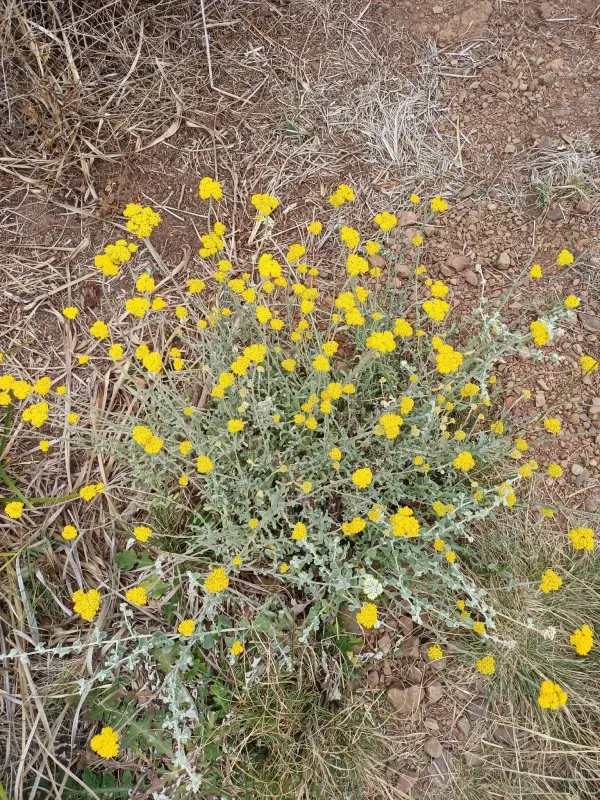
Description
Sowing dates
The cultivation of Helichrysum odoratissimum begins with sowing seeds in the spring, once the soil has warmed sufficiently to ensure rapid and uniform germination.
Given the tiny size of the seeds, using a greenhouse nursery method is highly recommended to provide the controlled environment necessary for healthy seedling development.
Seedlings should be nurtured in a protected environment for approximately six to eight weeks before they are robust enough for transplantation into open fields.
When transplanting, it is crucial to maintain proper spacing between rows to facilitate airflow and allow for easier manual or mechanical weed management later on.
Success starts with high-quality, viable seeds that are sown at shallow depths to ensure that the delicate root systems can establish themselves quickly in the field.
Growing requirements
As a member of the Asteraceae family, Helichrysum odoratissimum thrives in full sun and requires locations with unobstructed access to direct light for optimal growth.
The plant is highly adaptable but performs best in light, sandy, or well-draining soils where excess moisture cannot accumulate around the root system.
Stagnant water in the root zone is detrimental, often leading to rapid root decay, making the selection of well-drained soil the most important factor in site selection.
It prefers a neutral to slightly acidic soil pH and does not require overly rich fertilizers, as high nitrogen levels can compromise the quality of its aromatic properties.
Climatic requirements focus on regions with mild winters, as the plant is sensitive to severe frost and requires protection or specific environmental management in colder areas.
Yield
Helichrysum odoratissimum is primarily cultivated for its fragrant foliage and flowers, which are highly valued in the essential oil and luxury perfumery industries.
The yield of aromatic material peaks during the second and third years of growth, provided that the plants have been properly spaced and maintained throughout the season.
Effective agricultural practices, including regular weeding and maintenance of soil aeration, are directly linked to the volume of essential oil extracted during processing.
Production efficiency relies on the plant's health and density within the field, requiring careful management to ensure consistent harvests year over year.
Monitoring the plant's development stages allows producers to maximize the potential of each plant, ensuring that the final output meets industrial quality standards.
Main diseases and pests
Fungal diseases are the most significant threat to this crop, particularly when ambient humidity is high and field ventilation is restricted by dense plant growth.
Powdery mildew and various root rots are common issues that require strict adherence to irrigation protocols and the immediate removal of infected plant material.
Pests such as aphids and spider mites can attack the crop during dry spells, potentially weakening the plants and reducing the overall quality of the essential oils.
Integrated pest management strategies are encouraged to maintain the purity of the aromatic raw materials and minimize the reliance on harsh synthetic chemical treatments.
Proactive field scouting is essential to identify early signs of infestation or disease, allowing for localized interventions that protect the remainder of the plantation.
Harvesting
Harvesting is typically performed during the peak of the flowering season, as this is when the concentration of essential oil in the tissues is at its absolute maximum.
The harvest should be conducted during the early morning hours, once the dew has evaporated, to preserve the integrity and aromatic profile of the harvested plant material.
Once harvested, the material must be processed quickly to prevent fermentation, which can rapidly diminish the quality and value of the essential oils produced.
For those processing dried plant material, the drying process should occur in shaded, well-ventilated areas to ensure that the volatile compounds are not lost to heat.
After the primary harvest, it is common practice to perform light pruning, which helps rejuvenate the plant and prepares it for the following season's growth cycle.