
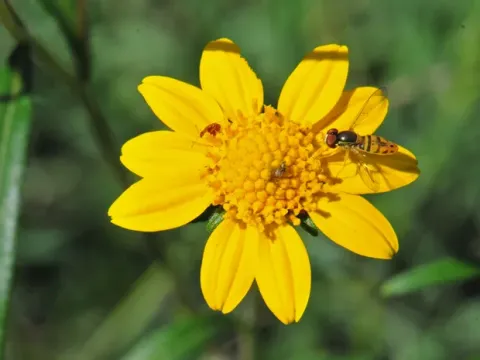
Heliomeris
Heliomeris
Heliomeris is a genus of herbaceous plants in the Asteraceae family, often recognized for its resilience and adaptability in various growing conditions.
What the section contains

Heliomeris
Sowing should be performed in the spring once the soil temperature is consistently above 15 degrees Celsius to ensure rapid and uniform germination.
Seeds require minimal coverage, ideally placed at a depth of 1 to 2 centimeters in well-prepared, friable soil to encourage strong seedling development.
When sowing in rows, it is important to provide sufficient spacing to allow for mechanical weeding and to ensure adequate sunlight reaches each plant.
For better success rates, the seedbed should be kept moist but not saturated during the initial germination phase to prevent the seeds from rotting.
Heliomeris thrives in full sun, requiring exposure to direct sunlight for the majority of the day to reach its full vegetative and reproductive potential.
The plant is highly drought-tolerant, naturally adapted to environments with limited rainfall, making it an excellent choice for low-maintenance agricultural areas.
Well-drained soil is crucial; heavy clay soils should be amended with organic matter or sand to improve structure and prevent waterlogging around the roots.
While the plant is hardy, it benefits from periodic weeding during the early stages of growth to eliminate nutrient competition from aggressive weeds.
Routine monitoring of soil moisture levels is advisable, especially in extremely hot climates, to ensure the plant remains productive and healthy throughout the season.
The main threats to Heliomeris health include fungal pathogens such as powdery mildew, which can develop in high humidity or stagnant air conditions.
Insect pests like aphids and spider mites may occasionally infest the plants, particularly during dry spells, potentially reducing plant vigor and overall yield.
Preventive measures such as proper crop rotation and maintaining clean field borders help reduce the risk of recurring pest and disease cycles.
Application of fungicides or insecticides should be considered only when scouting reveals economic damage thresholds have been crossed.
Promoting a healthy soil microbiome through sustainable farming practices significantly boosts the natural resistance of the plants to common environmental stressors.