
Helichrysum cerastioides
Helichrysum cerastioides
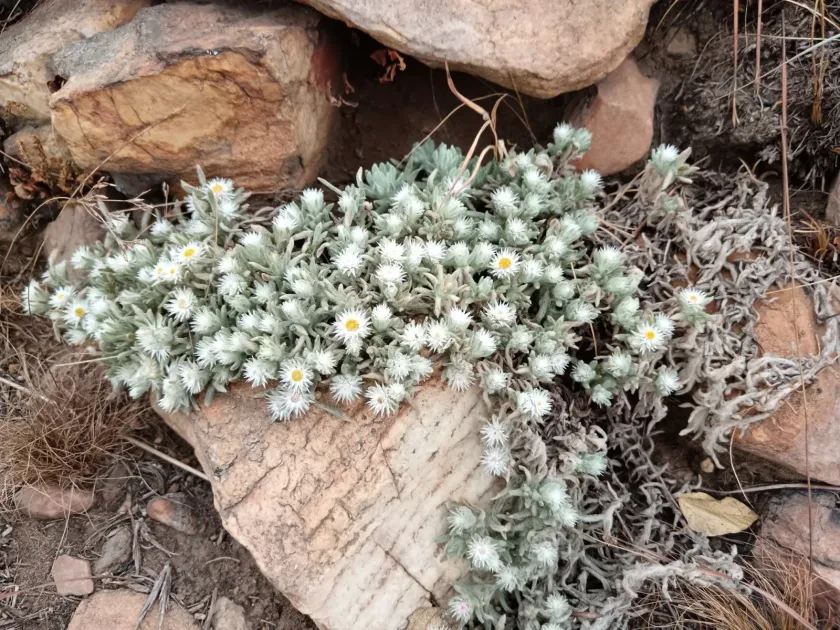
Description
Sowing dates
The cultivation of Helichrysum cerastioides begins with precise sowing in a controlled environment. Seeds should be sown in late winter or early spring in seed trays filled with a light, sterile seed-starting mix.
Surface sowing is recommended, as the seeds require light to germinate effectively. A light dusting of fine vermiculite can help maintain the necessary moisture levels without blocking the light essential for the process.
Temperature control is vital during the germination phase, ideally maintained between 18 and 22 degrees Celsius. Constant humidity must be managed by covering the containers with transparent plastic or glass until emergence.
Seedlings should be thinned or pricked out into individual small pots once they develop their first true leaves. This step is crucial to prevent root crowding and to encourage the development of a robust, independent root system.
Hardening off the plants is a necessary procedure before transplanting them into the field. This gradual transition helps the seedlings adapt to outdoor conditions, reducing transplant shock and ensuring better survival rates.
Growing requirements
Helichrysum cerastioides is a member of the Asteraceae family that thrives in specific environmental conditions. It prefers full sun exposure, which is critical for maximizing both plant vigor and the production of healthy, vibrant flower buds.
The soil requirements are quite specific; this species prefers well-drained, sandy, or rocky soils. It does not tolerate waterlogged conditions, which can lead to rapid root decay and plant failure in a short time.
Regarding climate, the plant is relatively drought-tolerant once established. It performs exceptionally well in regions characterized by warm, dry summers, as these conditions mimic its natural habitat and prevent fungal issues.
Soil pH should ideally be neutral or slightly acidic. It is generally unnecessary to provide heavy fertilization, as nutrient-rich soil often leads to leggy growth and reduced flowering capacity in this particular species.
Proper spacing is required during field planting to ensure adequate airflow between plants. This management practice is the most effective way to prevent the buildup of humidity and the subsequent development of common foliage diseases.
Main diseases and pests
Fungal diseases are the primary threat to Helichrysum cerastioides, especially when weather conditions are excessively humid. Gray mold and powdery mildew are frequently observed in poorly ventilated stands.
Insects like aphids and spider mites can occasionally affect the plants, particularly during periods of environmental stress. Regular field monitoring is essential to detect these pests before they reach infestation levels.
To mitigate these threats, integrated pest management (IPM) practices should be followed. This includes removing infected plant parts immediately and ensuring that the field remains free of debris where pathogens could survive.
Chemical control should be used sparingly and only when necessary, opting for environmentally friendly fungicides and insecticides. Always follow local agricultural guidelines for the safe application of these substances.
Preventative crop rotation is advised if the field is reused. Avoiding successive plantings of the same family can significantly break the life cycle of soil-borne pathogens that target the Asteraceae family.
Harvesting
Harvesting for commercial purposes requires timing the stage of development perfectly. The flowers should be cut when the buds are only partially open to ensure they retain their shape during the drying process.
Harvesting should occur during a dry, sunny day to prevent moisture buildup within the bundles. Using sharp, sanitized tools is crucial to make clean cuts that minimize tissue damage to the parent plant.
Drying is performed by hanging the stems upside down in a cool, dark, and well-ventilated area. This traditional method helps in preserving the natural pigments of the flowers while preventing wilting and decay.
The primary use of this crop is in the floral industry as a high-quality dry flower. Its ability to retain its form and aesthetic appeal over time makes it highly valuable for professional florists and interior design.
Once dried, the flowers are sorted and packed according to their size and quality. Proper storage in a dry, low-light environment ensures that the product maintains its market value for several months after the harvest.