
Helichrysum orientale
Helichrysum orientale
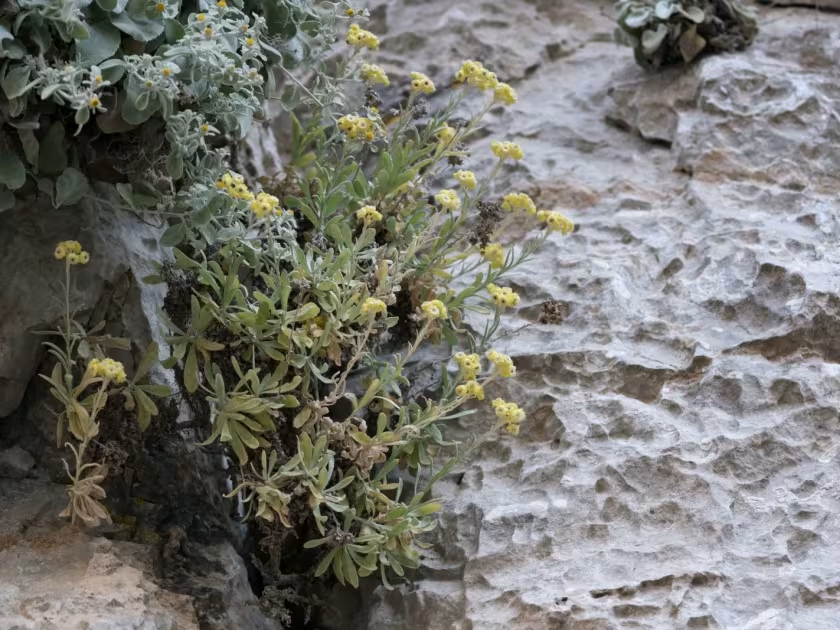
Description
Sowing dates
Growing Helichrysum orientale from seed is best achieved by starting indoors in late winter or early spring. Use a lightweight, well-draining seed-starting mix to ensure successful germination and healthy root development.
Sow the tiny seeds on the surface of the moist substrate, as they require light to germinate effectively. Covering them with a thin layer of vermiculite or pressing them gently into the soil is sufficient.
Maintain an optimal temperature of approximately 18–20 degrees Celsius. Seedlings should be placed in a bright, sunny spot to prevent legginess during their early development stages.
Prick out the seedlings once they develop their first set of true leaves, transplanting them into individual pots. This helps to build a robust root system, which is essential for the plant's survival after being moved outdoors.
Hardening off the plants is a critical step before permanent transplantation. Introduce the plants to outdoor conditions gradually over a period of two weeks to prevent transplant shock.
Growing requirements
Helichrysum orientale is a perennial herbaceous plant belonging to the Asteraceae family. It is native to the rocky and arid landscapes of the Eastern Mediterranean, where it has adapted to harsh conditions.
The plant thrives in full sun, requiring at least six to eight hours of direct light daily. Lack of sunlight will result in weak stems, reduced flowering, and a general loss of the plant's characteristic beauty.
Well-drained, sandy, or rocky soil is ideal for its cultivation. It does not tolerate wet feet, and heavy clay soils should be amended with organic matter or grit to improve aeration and drainage.
While drought-tolerant once established, young plants require regular moisture to develop a strong root system. Mature plants can endure long dry spells without needing frequent watering.
This species is highly resistant to heat and wind, making it an excellent choice for xeriscaping or rocky garden borders where other delicate species might struggle to survive.
Yield
The yield of Helichrysum orientale is measured by the quality and volume of its dried flower heads. Proper horticultural practices can maximize the production of harvestable blooms throughout the growing season.
Deadheading spent flowers is a key technique to stimulate repeat flowering. By preventing the plant from setting seed, energy is redirected back into the production of new, high-quality flower buds.
Balanced fertilization with phosphorus and potassium during the pre-flowering stage enhances stem strength and ensures vibrant petal colors. Avoid excessive nitrogen, which promotes foliage growth at the expense of blossoms.
Individual plants typically remain productive for about three to four years. After this period, plants often become woody and lose vigor, necessitating replacement or rejuvenation of the planting site.
Success in yield also depends on the harvest timing and drying conditions. Harvesting during dry, sunny weather ensures the flowers retain their structural integrity and color for long-term storage.
Main diseases and pests
The most significant threat to Helichrysum orientale is waterlogged soil, which inevitably leads to crown and root rot. Proper drainage and choosing the right planting location are essential preventive measures.
High humidity levels can encourage fungal infections such as gray mold or powdery mildew. Ensuring adequate spacing between plants allows for good airflow, which helps keep the foliage dry and healthy.
Aphids are the most common pests found on the plant, often congregating on the stems and developing buds. A simple spray of insecticidal soap or neem oil is usually effective in controlling these infestations.
Spider mites can become a problem in exceptionally hot and dry summers. Regular monitoring and misting the plants can help prevent the buildup of these pests on the underside of the leaves.
Maintaining a clean garden by removing plant debris and rotating crops where applicable helps keep fungal and pest populations low. Always prioritize the plant's health through preventative care.
Harvesting
Harvesting should be performed when the flowers are in the semi-open bud stage. Harvesting at this point ensures the flowers remain perfectly formed once dried and prevents excessive petal shedding.
Use sharp, clean shears to cut the stems, leaving as much length as needed for your floral arrangements. Aim to harvest in the morning after the dew has evaporated but before the heat of the day.
Bundle the stems together with rubber bands and hang them upside down in a dark, cool, and airy place. Dark environments are crucial to prevent the fading of the flowers' natural pigmentation.
The drying process typically takes several weeks. Once the stems are rigid and no moisture remains at the base of the flower head, the stems are ready for use in bouquets or long-lasting displays.
For storage, keep dried bundles away from direct sunlight and excessive humidity. When properly dried and stored, the flowers of Helichrysum orientale will maintain their quality for many years.