
Helichrysum hybrids
Helichrysum hybrids
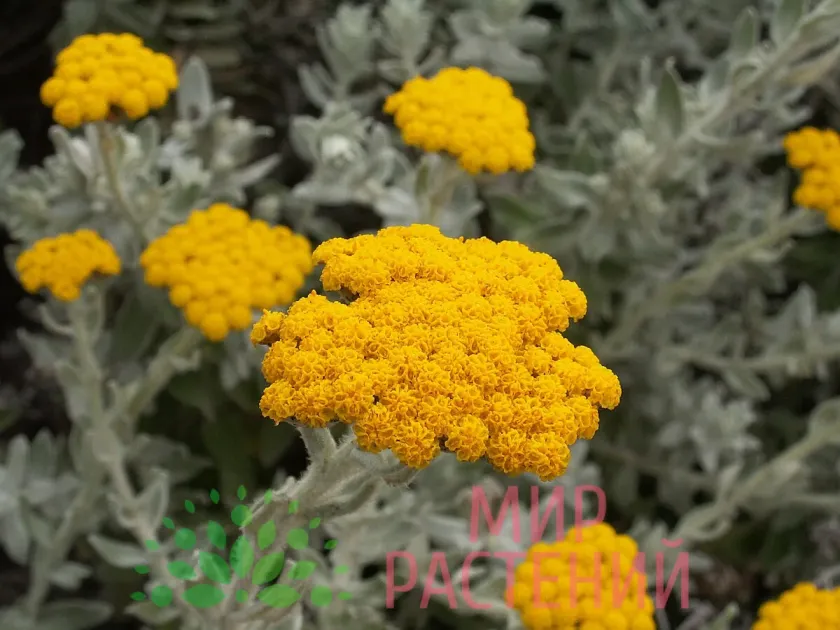
Description
Sowing dates
Sowing Helichrysum hybrids is typically conducted indoors during late winter or early spring to ensure a long growing season. The seeds are very small and should be scattered over the surface of a seed-starting mix, barely covered with fine soil or vermiculite.
For optimal germination, maintain a temperature range between 18 and 20 degrees Celsius. Constant humidity must be managed during the first two weeks, as the seeds are sensitive to desiccation until they develop a root system.
Transplanting occurs once the danger of frost has passed, usually late May. The plants require a well-prepared bed to thrive, and careful handling of the root ball during transition is essential to prevent transplant shock.
Proper spacing, approximately 30 centimeters between plants, is necessary to ensure adequate airflow. This prevents the accumulation of moisture around the foliage, which is a common cause of plant distress in dense plantings.
Successful establishment depends on consistent moisture until the plants are fully rooted in the ground. Once established, they become significantly more resilient to environmental fluctuations.
Growing requirements
Helichrysum hybrids belong to the Asteraceae family and thrive best in full sun exposure. They require at least six to eight hours of direct sunlight daily to produce vibrant, high-quality blooms suitable for the dried flower market.
The crop prefers well-drained, sandy or loamy soils. It cannot tolerate waterlogged conditions, which can lead to rapid root rot. Improving drainage through organic amendments is recommended for heavy clay soils.
While mature plants exhibit significant drought tolerance, consistent moisture during the vegetative growth phase is crucial. Over-watering should be avoided, as it can make the plants susceptible to fungal infections.
Balanced fertilization is key to growth. Using a low-nitrogen, high-phosphorus fertilizer encourages the development of flower heads rather than just vegetative mass, improving the overall yield of harvestable material.
Weed control is an essential aspect of the crop's agronomy. By keeping the area free of weeds, growers ensure that plants have access to sufficient nutrients and sunlight, directly impacting the size and quality of the inflorescences.
Main diseases and pests
Fungal pathogens represent the primary threat to Helichrysum hybrids, especially in humid conditions. Root rot and powdery mildew are frequently reported, necessitating strict adherence to irrigation schedules and good site selection.
Pests such as aphids and spider mites can infest the crop, particularly during hot, dry spells. They cause damage by sucking sap from the plant tissues, which often results in stunted growth and discolored leaves.
Integrated pest management, involving both biological and chemical control methods, is necessary for large-scale operations. Early detection is critical; regular field scouting allows for targeted interventions rather than blanket spraying.
Good cultural practices, such as proper spacing and rotation with non-host crops, significantly reduce the pressure from soil-borne diseases. Ensuring the health of the plants from the start is the best defense against infestations.
Growers must also monitor for environmental stress factors that weaken the plants, making them more susceptible to opportunistic diseases that can compromise the crop quality.
Harvesting
Harvesting Helichrysum hybrids requires timing the cut precisely at the half-open stage. Harvesting too early results in weak, undersized blooms, while harvesting too late leads to over-maturation and loss of structural integrity.
Clean, sharp tools should be used for harvesting to prevent crushing the stems. Once harvested, stems should be gathered into bundles, keeping the flower heads properly aligned for uniform drying.
Drying must take place in a cool, dark, and well-ventilated area. Hanging the bunches upside down prevents the stems from bending, ensuring the flowers retain their ideal shape and orientation for decorative use.
Avoid direct sunlight during the drying process, as UV light degrades the natural colors. Proper air circulation is vital to prevent moisture trapped between the flowers from leading to decay or mold formation.
After the drying process is complete, the product should be stored in a dry, dark environment until it is processed or shipped. Helichrysum is a staple in the florist industry due to its long-lasting, durable nature.