
Bristly everlasting
Helichrysum setosum
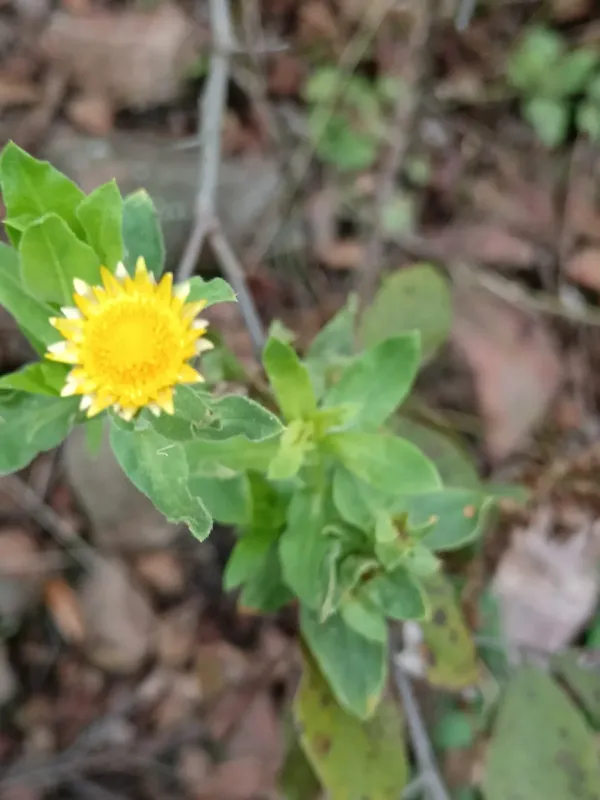
Description
Sowing dates
Sowing seeds of Helichrysum setosum for seedlings should be performed in March or early April. Seeds are sown into a light, well-drained substrate to a depth of no more than 0.5 cm, maintaining an ambient temperature of about 18–20 degrees Celsius for optimal germination.
When sowing directly into the ground, it is necessary to wait until the soil has warmed up to 12–15 degrees, which typically occurs in the second half of May. The planting pattern must provide sufficient space between plants to ensure good air circulation within the crops.
To speed up germination and achieve uniform sprouts, agronomists recommend pre-stratification for 10–14 days. This increases the germination rate of the seeds, which are quite small and require delicate handling during the sowing process.
The chosen plot for planting must be as sunny as possible, as the crop is extremely sensitive to light deficiency. Shaded areas lead to spindly stems and reduced intensity of the flower bracts' color, negatively affecting the decorative and commercial quality of the raw material.
After the sprouts appear, the plants should be thinned or transplanted to their permanent location, leaving an interval of about 25–30 centimeters. Proper spacing is a key factor for the formation of strong flower stalks suitable for subsequent drying.
Growing requirements
Helichrysum setosum belongs to the Asteraceae family and has specific requirements for soil composition. The plant prefers loose, sandy, or loamy soils with excellent water permeability, as moisture stagnation in the root zone is fatal for this species.
Optimal soil acidity levels should be in the range of pH 6.0 to 7.0. On heavy clay soils, it is necessary to perform preliminary soil structuring by adding sand or perlite to prevent the development of root rots.
The culture has high drought tolerance due to its origin. Nevertheless, during the phase of active bud formation, moderate but regular watering is required, which should be done strictly at the root, avoiding getting water on the inflorescences.
Mineral nutrition should be balanced with an emphasis on phosphorus-potassium fertilizers. Excessive nitrogen fertilization stimulates vegetative growth at the expense of flowering and can provoke stem lodging, so dosages must be strictly controlled.
In regions with cold winters, the bristly everlasting is often cultivated as an annual crop. However, in mild climates, the plant can withstand short-term frosts provided there is no high soil moisture, which can cause root damage during winter dormancy.
Yield
The yield of Helichrysum setosum is evaluated by the number of inflorescences suitable for harvesting per unit area. When following agronomic standards, a significant volume of high-quality raw materials can be obtained from a hectare, which is highly sought after in the floral industry.
Productivity directly depends on the timeliness of fertilization and the quality of irrigation during the initial period of vegetation. Harvested stems must be firm and have intact bracts, which determines the market value of the produce.
The average yield of dried inflorescences varies depending on the region of cultivation and the intensity of solar radiation. Maximum results are achieved when growing on well-warmed slopes with active drainage.
Regular harvesting of faded flower heads stimulates the process of setting new buds on side shoots, which allows for extending the vegetation period and increasing the total output of marketable products per season.
The commercial quality of the product is determined by the length of the flower stalk and the degree of the flower head's opening. Harvesting when the flower is in a semi-opened state is considered optimal, as it continues to open during the drying process, maintaining an ideal shape.
Main diseases and pests
The main threat to the everlasting plant is fungal diseases that develop under conditions of high humidity. These include powdery mildew, gray mold, and alternaria, which affect both the leaves and the plant's inflorescences.
Pests, such as aphids and spider mites, can cause significant damage during dry periods. To control their population, it is recommended to use systemic insecticides and acaricides, applied according to plant protection regulations.
The root system is susceptible to damage by soil-dwelling pests, such as wireworm larvae. To prevent their spread, it is recommended to follow crop rotation and treat the soil before planting with specialized preparations.
Disease prevention consists of ensuring excellent ventilation of the crops and preventing excessive density. Removing affected plants and performing sanitary cleaning of the plot at the end of the season significantly reduces the risk of infection spread.
Upon detecting signs of late blight or other fungal infections, immediate application of broad-spectrum fungicides is necessary. It is important to rotate preparations to avoid the development of resistance among pathogens.
Harvesting
The harvest of Helichrysum setosum begins in the phase of technical maturity, when the flower head has reached the required size but has not yet fully opened. This is critical for maintaining the shape of the flower during subsequent dehydration.
Harvesting is carried out in the morning hours, after the dew has evaporated, using a sharpened garden tool. Stems should be cut at a distance of 10–15 cm from the soil surface, ensuring convenience for further sorting and bunch formation.
Drying is carried out in well-ventilated, dark rooms or special dryers at a temperature not exceeding 35–40 degrees. Direct sunlight during drying is contraindicated, as it contributes to the rapid fading of the natural pigment of the petals.
Bundles are hung with inflorescences downwards so that the stems retain a vertical shape during the dehydration process. Properly dried plants retain their stiffness, color, and integrity of the inflorescences for a long storage period.
After the drying process is completed, final sorting is performed, removing damaged or deformed specimens. The finished product is packed in cardboard boxes or kraft paper, providing protection from moisture and mechanical damage during transport.