
Helichrysum mixtum
Helichrysum mixtum
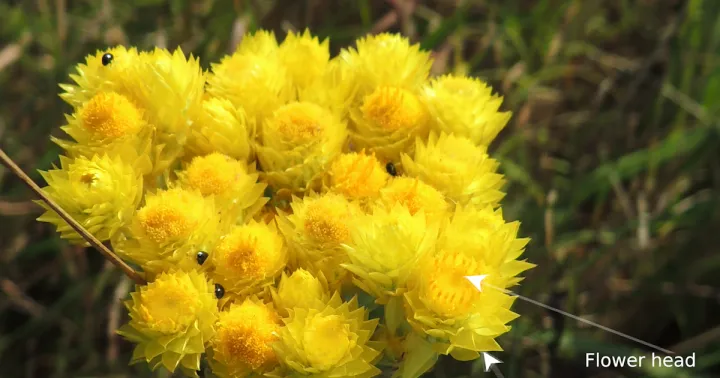
Description
Sowing dates
Sowing of Helichrysum mixtum seeds is primarily carried out in the spring, once the soil has warmed to a temperature of 15-18 degrees Celsius. To obtain early production, a seedling method is practiced, where seeds are sown in greenhouses during March or April.
When sowing directly into open ground, it is essential to wait until the risk of night frosts has passed, as young seedlings are sensitive to sudden temperature drops. Sowing depth should not exceed 0.5-1 centimeter due to the small size of the seeds.
Planting patterns must account for proper air circulation to prevent fungal diseases. It is recommended to maintain row spacing of about 45-50 centimeters, with a distance of 20-30 centimeters between individual plants in a row.
Preparation of the substrate is a crucial aspect: it must be loose, airy, and have a neutral to slightly alkaline pH. Soil compaction during the germination stage is unacceptable as it hinders the development of the root system.
Seedlings typically emerge 14-20 days after sowing, provided there is adequate moisture and stable light. Pricking out should be done at the stage of the first two or three true leaves, using individual containers to avoid damaging the roots during transplanting.
Growing requirements
Helichrysum mixtum belongs to the Asteraceae family and is a perennial herb with distinct xerophytic features. Its natural range encompasses the arid regions of Southern Africa, which defines its high resilience to moisture deficits.
The plant has high light requirements: for optimal development and intense flowering, it needs open areas with full sun exposure throughout the day. In the shade, stems become leggy, and the color intensity of the inflorescences significantly decreases.
Soils for successful cultivation should have a light mechanical composition, preferably sandy or loamy-sand. Waterlogging is fatal to the root system of this species, making proper site drainage an essential requirement.
The crop has moderate cold tolerance, so in temperate climates, it requires winter protection or is grown as an annual. The optimal temperature range during the growing season is 20-25 degrees Celsius.
Fertilization should be moderate; excess nitrogen leads to excessive vegetative growth at the expense of generative development. Preference is given to potassium-phosphorus compositions, which promote the strengthening of plant tissues.
Yield
The economic value of Helichrysum mixtum lies in the production of high-quality raw materials for floristry and pharmacology. Yield depends on the planting density and the quality of agronomic management.
Under intensive cultivation, a significant volume of inflorescences suitable for cutting and subsequent drying can be harvested per hectare. The harvest is carried out in stages, as the flower heads open, allowing for a longer exploitation period of the plantation.
Using modern mulching methods helps maintain plant productivity at a high level for several years. Regular pruning of faded flower heads stimulates additional branching and secondary flowering towards the end of the season.
Marketable yield also depends on varietal characteristics and seed quality. If all requirements regarding lighting and irrigation are met, the average plantation productivity remains stable for 3-4 years.
Economic efficiency increases with proper post-harvest processing, which includes careful drying in shaded, well-ventilated rooms to preserve the natural color of the petals.
Main diseases and pests
The main threats to Helichrysum mixtum are diseases caused by excessive soil and air moisture. Root rots (fusarium, rhizoctonia) often occur due to incorrect irrigation and poor site drainage.
Powdery mildew can affect leaf surfaces during periods of prolonged rain or high air humidity. To combat fungal infections, timely application of systemic fungicides and thinning of plantings should be practiced.
Among pests, sucking insects like aphids and spider mites pose the greatest danger. They extract cell sap, which leads to leaf deformation and a decrease in the plant's overall immunity.
Thrips can cause significant damage to the inflorescences by damaging delicate petals, making them unsuitable for floral decoration. Pest population monitoring should be conducted weekly during the vegetative season.
- Prevention of soil waterlogging
- Crop rotation (do not plant after other Asteraceae)
- Weed control as they are sources of infection
- Use of insecticides in case of massive pest outbreaks
Harvesting
The harvesting of Helichrysum inflorescences for drying is performed when the flower head is semi-opened. At this stage, the bracts are tightly pressed, which guarantees the preservation of aesthetic appeal after final drying.
Harvesting operations should be conducted in dry weather, preferably during midday hours when morning dew has fully evaporated. Damp inflorescences dry very poorly and are prone to mold infections.
Stem cutting is performed with a sharp tool to the desired length, removing leaves from the lower part of the stem. This simplifies the bunching process and ensures uniform air circulation between the stems during drying.
Drying is performed by hanging the stems upside down in dark, well-ventilated rooms. Direct sunlight is contraindicated during the drying process as it causes premature fading of pigments.
After complete drying, the product must be protected from dust and moisture. Correctly dried Helichrysum inflorescences retain their shape and texture for several years, making them highly sought after in the floral accessory market.