
Ascocentrum
Ascocentrum
Description
Growing requirements
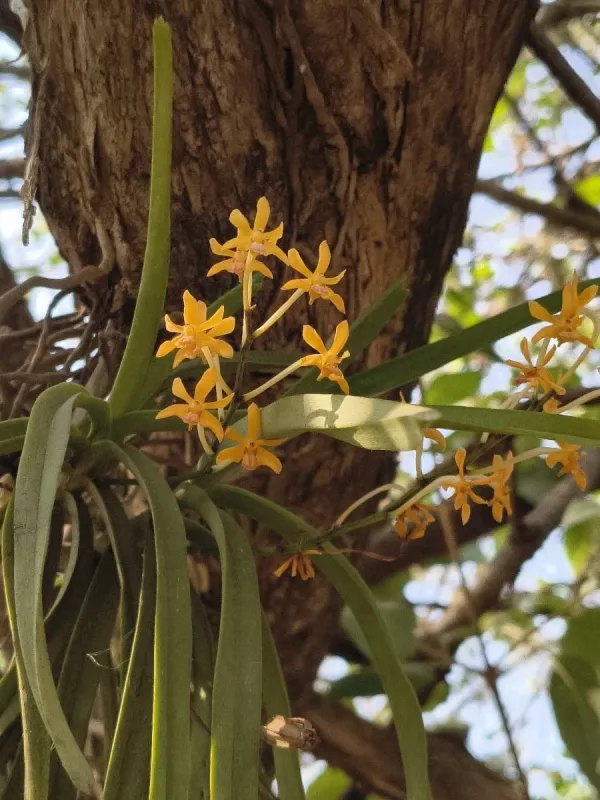
Ascocentrum is a genus of miniature epiphytic orchids belonging to the Orchidaceae family. These plants are native to the tropical forests of Southeast Asia, where they grow naturally on tree trunks and branches in high-humidity environments.
The botanical structure is characterized by a monopodial growth habit with a short stem covered in thick, strap-shaped leaves. They produce upright inflorescences that carry numerous small, brightly colored flowers, which are highly prized in horticultural collections.
To cultivate these orchids successfully, one must provide bright, diffused light. Intense direct sunlight can scorch the leaves, while insufficient light leads to poor growth and a failure to produce flower spikes during the blooming season.
The agricultural technique requires growing these plants in baskets or on wooden mounts rather than standard pots. This setup ensures that the roots are exposed to fresh air, preventing the suffocation that often occurs in dense, water-logged potting media.
Consistent warm temperatures are essential throughout the year. Growers should maintain a humidity level of at least 60-70% to mimic the natural tropical climate and encourage healthy vegetative growth and vigorous root development.
Main diseases and pests
The most significant threat to Ascocentrum is root rot, which typically stems from overwatering and poor drainage. If the medium stays wet for too long, the root tips decay, causing the entire plant to lose vigor and eventually perish.
Pests such as spider mites and mealybugs can pose serious problems for these orchids. Spider mites thrive in dry conditions and can quickly weaken the plant by feeding on the sap stored within the leaves.
Mealybugs are often found in the leaf axils, making them difficult to detect early. If an infestation is discovered, immediate treatment with appropriate systemic insecticides is necessary to prevent the pests from spreading to other parts of the collection.
Fungal spot diseases can also occur, particularly during periods of low light and high humidity. These infections usually manifest as dark, sunken spots on the leaves and can be managed with professional-grade fungicides.
Proper maintenance, including consistent air movement and regular monitoring, is the best strategy for preventing these threats. Keeping the plant environment clean and well-ventilated reduces the risk of pathogens settling on the foliage.