
Helichrysum oxyphyllum
Helichrysum oxyphyllum
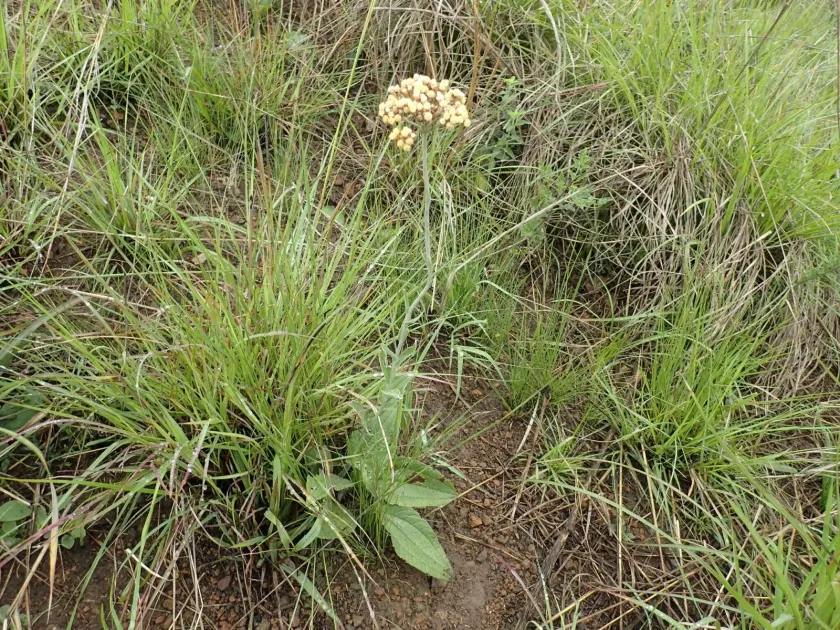
Description
Sowing dates
Sowing of Helichrysum oxyphyllum is typically carried out in a controlled environment to establish healthy seedlings before transplanting. Early spring, usually March or April, is the ideal time to start seeds in trays to ensure they are well-developed for the outdoor season.
The seeds are small and should be sown on the surface of a light, sterile seed-starting mix. Covering them too deeply inhibits germination; instead, pressing them lightly into the substrate and keeping the moisture consistent is the key to success.
Germination requires a temperature range of 20 to 22 degrees Celsius. Once the seedlings emerge, providing bright indirect light is crucial to prevent legginess and ensure the development of a sturdy stem structure before moving them outdoors.
Hardening off the plants is a vital step in the agricultural process. Gradually acclimatizing the seedlings to outdoor conditions over a two-week period helps them adjust to sunlight and wind, significantly reducing transplant shock.
When transplanting, space the plants about 20–30 centimeters apart to ensure proper airflow. This spacing allows each plant to access sufficient nutrients and sunlight, which is necessary for vigorous growth and high-quality floral production.
Growing requirements
As a member of the Asteraceae family, Helichrysum oxyphyllum demands full sun exposure to reach its full potential. Any degree of shade will likely lead to reduced flowering and weaker stems, diminishing the quality of the harvest for ornamental use.
The species thrives in well-drained, sandy or gravelly soils. It is highly intolerant of waterlogged conditions, which can quickly lead to root rot. If the soil is heavy, amending it with organic matter and grit is essential to improve drainage.
This plant is exceptionally drought-tolerant once established. It is well-adapted to hot and dry climates, making it a low-maintenance choice for water-conscious gardeners. Excessive irrigation is generally detrimental and should be avoided.
Nutrient requirements are relatively low. Fertile soils may actually be counterproductive, leading to an overabundance of foliage at the expense of floral development. A balanced, low-nitrogen fertilizer application in early spring is sufficient for most situations.
Environmental aeration is essential to prevent fungal issues. Planting in an area with good air circulation helps to keep foliage dry, reducing the risk of diseases associated with humidity and dew accumulation.
Main diseases and pests
Root rot and crown rot are the most common threats to Helichrysum oxyphyllum, primarily caused by overwatering or poor soil drainage. Maintaining a dry root zone is the primary preventive measure against these pathogens.
Powdery mildew can affect the leaves during periods of high humidity or poor ventilation. If infection occurs, applying appropriate fungicides and improving airflow around the plants can help contain the spread of the disease.
Aphids are frequent pests that colonize tender buds and leaf undersides, feeding on plant sap. Regular monitoring allows for early detection, enabling the use of soft soaps or biological controls before a major infestation occurs.
Spider mites can become a nuisance in hot, dry, and stagnant environments. They suck fluids from the leaves, causing stippling and discolouration. Maintaining good plant health and proper hydration can help the plant withstand minor mite pressure.
Crop rotation is a fundamental practice to prevent the build-up of soil-borne diseases. Avoiding sites previously occupied by other Asteraceae family members significantly reduces the risk of repeated infection cycles.
Harvesting
Harvesting for the dried flower market must be timed precisely. Flowers should be cut when the buds are starting to open but are not yet fully mature; harvesting too late will result in the flowers becoming fluffy or losing their shape as they dry.
After harvesting, tie the stems in small, manageable bunches and hang them upside down in a dark, dry, and well-ventilated area. Darkness is essential to preserve the vibrant pigments of the flowers throughout the drying process.
The drying phase usually takes about two to three weeks. Once completely dry, the stems become rigid, and the heads maintain their structure, making them highly desirable for professional floral arrangements and craft use.
The primary use of this crop is in the decorative industry as a high-quality "everlasting" flower. Its durability ensures that arrangements can last for years without the need for preservatives or further maintenance.
Storage of the finished product should be in a cool, dry place away from direct sunlight to prevent colour fading. Properly handled Helichrysum oxyphyllum maintains its aesthetic appeal through many seasons, making it a profitable niche crop.