
Helichrysum kraussii
Helichrysum kraussii
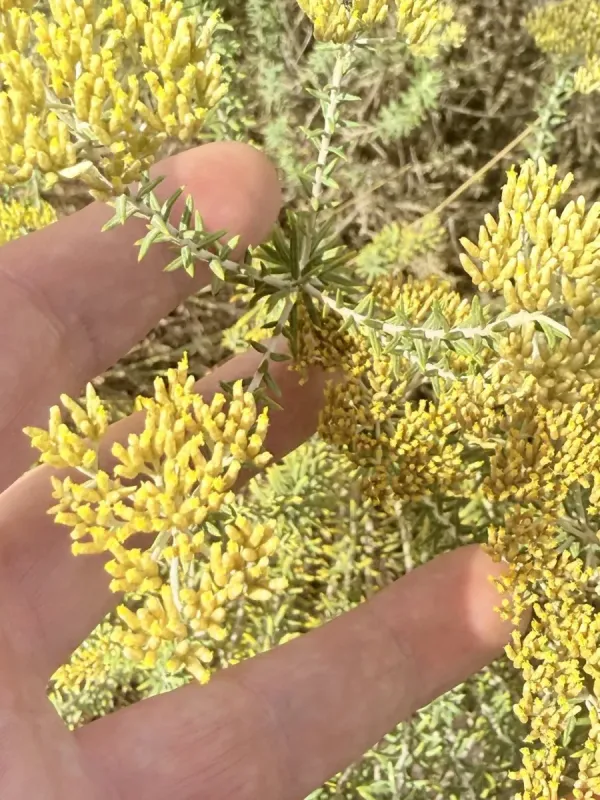
Description
Sowing dates
Sowing Helichrysum kraussii seeds is best performed during the spring season when temperatures are consistently mild. The seeds require a well-draining, sandy-based medium to germinate successfully without rotting.
Because the seeds are tiny and light-dependent, they should be sown on the surface of the growing medium and merely pressed gently. Do not cover them deeply with soil, as this inhibits the germination process.
Maintaining a constant temperature of about 20–22 degrees Celsius is crucial during the early stages. Keeping the sowing tray in a bright, warm location ensures robust growth and prevents the seedlings from becoming leggy.
Transplanting into individual pots should occur once the seedlings are strong enough to handle. Handle the root system with extreme care, as it is quite delicate during the juvenile stage of the plant's lifecycle.
Gradual acclimatization to outdoor conditions is necessary if the plants were started in a greenhouse. Slowly expose them to direct sunlight and wind to harden their stems before final planting.
Growing requirements
Helichrysum kraussii is a perennial shrub belonging to the Asteraceae family. Native to the harsh, arid environments of Southern Africa, it is highly adapted to poor soils and limited rainfall.
This species thrives in full sun exposure. It requires at least 6 to 8 hours of direct sunlight daily to maintain its silvery foliage and compact growth habit, which is its primary aesthetic feature.
Regarding soil, the plant is remarkably undemanding, provided that drainage is excellent. It performs exceptionally well in rocky, gravelly, or sandy soils where water does not accumulate near the crown.
Watering requirements are low; in fact, the plant prefers a "dry" cycle between waterings. Overwatering is the most common mistake in its cultivation and often leads to irreversible health issues for the plant.
Regular pruning is not strictly necessary but can be used to maintain shape. Removing dead or damaged branches during the dormant period encourages denser growth and overall plant vigor.
Main diseases and pests
Root rot is the most significant threat to Helichrysum kraussii. It is usually caused by excessive moisture, poorly draining soil, or a humid microclimate that keeps the root zone consistently wet.
Pests such as aphids and spider mites may occasionally infest the plant, particularly when it is grown in environments with poor air circulation or stressed by extreme heat without adequate humidity balance.
Fungal diseases, including powdery mildew, can manifest if the foliage is kept wet for extended periods. It is vital to ensure that water is applied only to the soil and not on the plant itself.
In regions with cold, damp winters, the plant may suffer significantly. Providing protection from frost and excessive rainfall during the winter months is essential for the survival of this species.
- Root rot (Phytophthora)
- Powdery mildew
- Aphid infestation
- Spider mites