
Helichrysum litoreum
Helichrysum litoreum
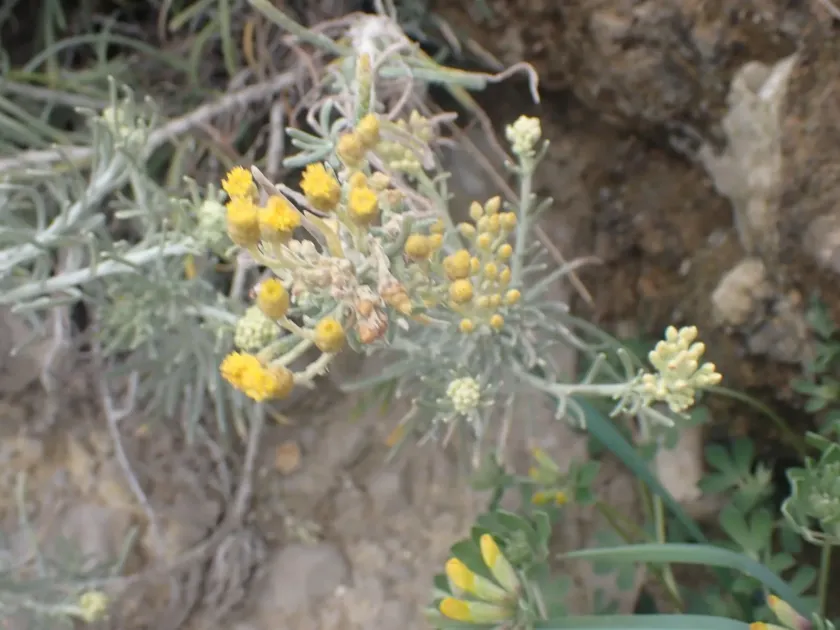
Description
Sowing dates
Helichrysum litoreum belongs to the Asteraceae family. In industrial farming, seeds are sown in early spring once soil temperatures reach 10–12 degrees Celsius.
To produce high-quality seedlings, seeds are sown in greenhouses or cold frames during March, maintaining stable temperature and moisture levels until germination.
Transplanting to open ground occurs once the risk of spring frost has passed, ensuring favorable conditions for the young plants to establish their root systems.
Adhering to proper spacing is crucial during planting to ensure sufficient nutrient access for each shrub, which is vital for the development of healthy biomass.
Optimal planting density reduces competition between plants for nutrients and sunlight, directly improving the overall productivity of the crop.
Growing requirements
This crop is a typical xerophyte, specifically adapted to grow in poor, sandy, and well-drained soils found in coastal environments.
Helichrysum litoreum is highly light-demanding; for optimal essential oil synthesis, the plant requires maximum exposure to direct sunlight throughout the day.
The crop exhibits high drought resistance but does not tolerate waterlogging, requiring the implementation of effective drainage systems in heavier soil types.
The soil should be neutral or slightly alkaline, as an excess of organic humus often leads to excessive leafy growth at the expense of floral development.
The plant adapts well to salty sea winds and the specific microclimate of coastal regions, making it a promising crop for areas with dry, hot summers.
Yield
Yields of Helichrysum litoreum depend on the age of the plantation, with peak performance achieved in the second or third year after planting once the root system matures.
The primary value lies in the flower heads, which are harvested for processing or for use as long-lasting dried flowers, known for their high ornamental durability.
Essential oil yield per hectare is directly correlated with the number of sunny days during the budding period, prioritizing regions with high solar radiation.
The average yield of inflorescences can vary depending on the intensity of agronomic practices, including irrigation during drought and timely fertilization.
Regular pruning of spent flower stems stimulates secondary blooming, which allows for an increase in the total amount of raw plant material harvested per season.
Main diseases and pests
The primary threat to this crop involves fungal diseases of the root system, which typically develop during waterlogged conditions or poor soil aeration.
In high humidity environments, powdery mildew may appear on the foliage, requiring the use of preventive fungicides to maintain crop health.
Common pests include aphids and spider mites, which actively attack young shoots during periods of extreme heat when the plant's immune system may be compromised.
Poor crop rotation leads to the accumulation of soil-borne pathogens, so it is recommended to avoid planting in the same location for at least four to five years.
Timely weeding of inter-row spaces is critical, as weeds not only compete for resources but also serve as habitats for various insect pests.
Harvesting
The harvest of flower heads is carried out during the phase of mass blooming, when the heads are fully open but have not yet lost their natural color and structural integrity.
To ensure high quality, harvesting is recommended during early morning hours after the dew has evaporated but before the sun reaches its peak intensity.
Cut flowers are immediately transported to well-ventilated, shaded areas for drying, as direct ultraviolet exposure can cause significant bleaching of the petals.
The drying process must be rapid to prevent decay within the dense flower heads, which is a common vulnerability for this specific species.
The finished product is stored in airtight containers or dry warehouses, preserving both the valuable essential oils and the aesthetic qualities for an extended duration.