
Helichrysum rosum
Helichrysum rosum
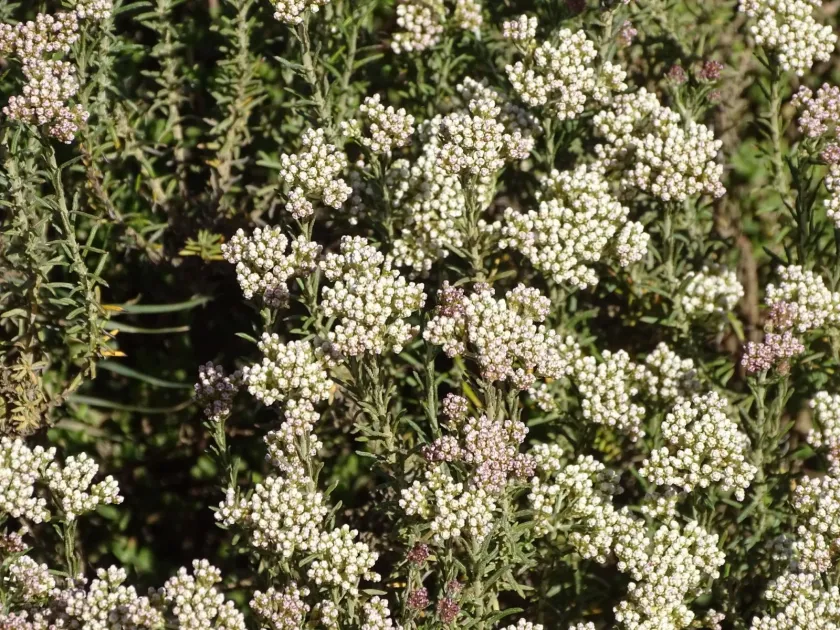
Description
Sowing dates
Commercial cultivation of Helichrysum rosum is typically conducted using the transplant method to ensure uniform germination. Seeds are sown in greenhouses or hotbeds in late March or early April, placing them shallowly in a light, nutrient-rich substrate.
Seedlings are transplanted into open fields only after the risk of night frost has passed, usually in late May or early June. The soil temperature must reach at least 12-15 degrees Celsius for optimal root establishment.
Direct seeding in open ground is viable only in regions with mild climates, with planting scheduled for mid-April. It is essential to maintain row spacing of approximately 40-50 centimeters to facilitate maintenance and airflow.
The plant is highly heliophilic, requiring open, sunny locations protected from strong winds. Overcrowding of the seedlings must be avoided, as it leads to stem elongation and reduces the quality of the commercial yield.
Mulching after sowing helps maintain the necessary soil moisture, which is critical for the germination of small seeds during the first two weeks. Sprouts usually emerge within 10–14 days if the temperature remains stable.
Growing requirements
Helichrysum rosum thrives in light, well-drained sandy or loamy soils with a neutral or slightly acidic pH. Heavy clay soils prone to waterlogging are detrimental to the root system and frequently lead to root rot.
This crop is a distinct xerophyte and highly drought-tolerant; therefore, excessive watering is more dangerous than temporary water deficiency. Moderate irrigation is necessary only during the active growth phase and prolonged summer droughts.
Intensive sunlight throughout the day is essential for the full development of the plant. In shaded conditions, the decorative appeal of the inflorescences decreases significantly, and stems become brittle, reducing their market value.
Soil preparation involves deep autumn plowing combined with moderate application of phosphorus-potassium fertilizers. Excess nitrogen promotes lush foliage growth at the expense of high-quality inflorescence formation.
The optimal temperature range for growth is 20–25 degrees Celsius. The plant can withstand temperature fluctuations, but sudden cold spells accompanied by high humidity often trigger fungal diseases.
Yield
The yield of Helichrysum rosum is assessed by the number of harvestable inflorescences per hectare. High-quality products consist of stems 30–50 cm in length with tightly formed flower heads that have not yet fully opened.
Average yield depends heavily on planting density and the agronomic environment. With intensive care, one hectare can produce up to 150,000–200,000 commercial stems per season, making it an economically attractive crop for small farms.
Harvesting occurs in several stages as the flowers reach technical maturity. Regular cutting of spent flower heads stimulates the plant to produce new shoots, extending the flowering period until the first frosts.
The secret to high productivity lies in proper cutting technique, which must avoid damaging the root collar. Tools must be sharp and disinfected to prevent the transmission of diseases between individual plants.
In commercial production, yield also depends on the quality of seed material. Using regionally adapted varieties can increase the output of marketable products by 15–20 percent compared to standard populations.
Main diseases and pests
The main threat to Helichrysum rosum is fungal diseases such as Fusarium wilt and various forms of root rot. These pathogens become active under conditions of excessive soil moisture and poor air circulation.
Pests like aphids and spider mites can cause significant damage during dry periods. They extract cell sap, causing leaves to deform and significantly reducing the aesthetic quality of the flower stems.
Disease prevention includes strict adherence to crop rotation, ensuring the plant is not returned to the same plot for at least 3–4 years. Timely removal of plant residues in the autumn is also a crucial protective measure.
Upon detecting initial signs of fungal infection, it is recommended to use bio-fungicides or copper-based treatments. The use of harsh chemicals is undesirable if the flowers are intended for interior decor or medicinal use.
Improper ventilation in greenhouses during the seedling stage often triggers powdery mildew. To prevent this, it is necessary to ensure regular access to fresh air and avoid overcrowding the planting trays.
Harvesting
Harvesting Helichrysum rosum must be conducted exclusively in dry weather, preferably in the middle of the day after all dew has evaporated. Damp flowers dry poorly and are prone to mold during the storage process.
Flowers should be cut when they have not yet fully opened their internal petals, as the opening process continues during the drying phase. Delayed harvesting results in loose heads that lack aesthetic value.
Cut stems should be bundled in groups of 15–20 and hung upside down in a well-ventilated room protected from direct sunlight. Drying in the dark helps preserve the natural pink hue of the plant.
Once dried, the material requires careful handling as the petals become very fragile. To maintain shape and color intensity, bundles can be treated with specialized floral lacquers or fixatives.
Correctly dried Helichrysum rosum can be stored for a long period while maintaining its decorative properties. It is important to avoid humidity fluctuations in the storage facility to prevent moisture re-absorption by the plant tissues.