
Helichrysum anomalum
Helichrysum anomalum
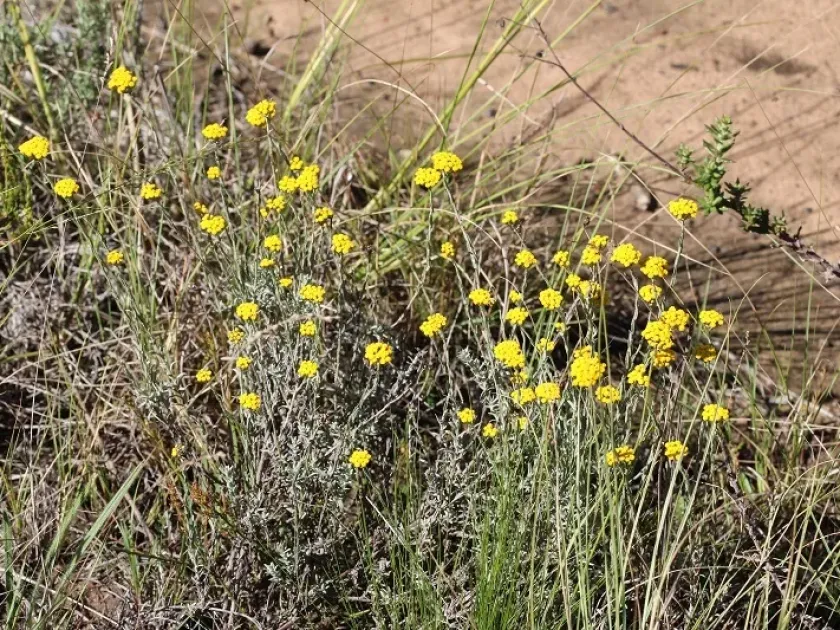
Description
Sowing dates
Sowing of Helichrysum anomalum typically takes place in the spring when soil temperatures reach 10–12 degrees Celsius. To obtain high-quality seedlings, seeds are sown in greenhouses or frames as early as March, allowing for a longer vegetation period.
Direct sowing in the field is possible in regions with mild climates where the risk of late frosts is minimal. Seeds are sown at a shallow depth, as they require significant light exposure to initiate successful germination.
The recommended planting pattern involves row spacing of 40–50 cm. This spacing ensures optimal airflow between plants and facilitates easier mechanical maintenance throughout the growing season.
Soil preparation before sowing involves fine tilling to create a crumbly structure, which is critical for the delicate root systems of young Helichrysum plants to establish themselves properly.
Once seedlings emerge, they are thinned to maintain a distance of 20–25 cm between plants, preventing nutrient competition and ensuring that each plant has enough space for robust development.
Growing requirements
As a member of the Asteraceae family, Helichrysum anomalum requires full sun exposure. It should be grown in open fields that receive direct sunlight throughout the entire day to ensure maximum development.
This species thrives in light, sandy, or stony soils that offer excellent drainage. Poor drainage and waterlogged conditions are fatal to the plant, as they quickly trigger root decay and fungal infections.
The plant is highly drought-tolerant, exhibiting xerophytic adaptations. Once established, it requires minimal to no additional irrigation, as excessive moisture can degrade the quality of the harvested flowers.
The ideal soil pH for this culture ranges between 6.0 and 7.5. In acidic soils, plant growth is significantly stunted, making liming a necessary step if the soil does not meet these requirements.
Regular maintenance involves keeping the soil aerated and free from weeds. Effective weed control is essential to eliminate competition for sunlight and to reduce microclimate humidity around the plants.
Yield
The yield of Helichrysum anomalum is measured by the quantity of flower heads collected at the optimal stage of technical maturity. The target is to harvest buds that are dense and fully formed.
Under professional cultivation practices, a single hectare can produce approximately 500–800 kg of dry raw material, depending on regional weather conditions during the summer months.
Yield intensity is strongly correlated with solar radiation levels and the absence of prolonged rain periods during the budding and flowering phases of the plant's life cycle.
Multiple harvests of emerging flowers stimulate the plant to continue developing new stems, which significantly increases the total weight and economic value of the plantation output.
Utilizing selected high-yielding cultivars allows farmers to achieve greater uniformity in stem height and flowering time, which is crucial for efficient harvesting and market presentation.
Main diseases and pests
The primary threats to this crop are fungal diseases associated with poor water management. Fusarium wilt and other root rots are frequent issues in damp or poorly drained soils.
Common pests include aphids and spider mites, which tend to infest the plants during hot and dry spells, sucking sap from the buds and stems, thereby reducing overall plant health.
Protection strategies center on strict crop rotation, ensuring the plant is not returned to the same plot for at least 3–4 years, and rigorous selection of well-draining site locations.
Insecticide use should be reserved for severe infestations and must strictly adhere to safety intervals if the product is intended for medical or food-industry use, prioritizing botanical alternatives.
Post-harvest hygiene is a vital preventative measure, involving the removal and destruction of all plant residues to prevent the carryover of pathogens and pests to the next growing season.
Harvesting
Harvesting is performed when the flower heads are mature but not yet fully open. This ensures that the flowers retain their aesthetic appeal and chemical composition during the drying process.
The best time to harvest is during a dry morning after dew has evaporated. Using sharp tools ensures clean cuts and helps prevent stress-related damage to the remaining plant tissue.
Harvested stems are tied into small bunches and hung upside down in shaded, well-ventilated areas. The temperature should not exceed 40 degrees Celsius to prevent the loss of natural color pigments.
Exposure to direct sunlight during the drying process must be avoided at all costs, as it leads to fading and a significant reduction in the commercial quality of the dried everlasting flowers.
Once the moisture content drops to 12–14%, the product is sorted and packaged. Proper storage in a dry place allows the product to maintain its shelf life and quality for extended periods.