
Helichrysum arnicoides
Helichrysum arnicoides
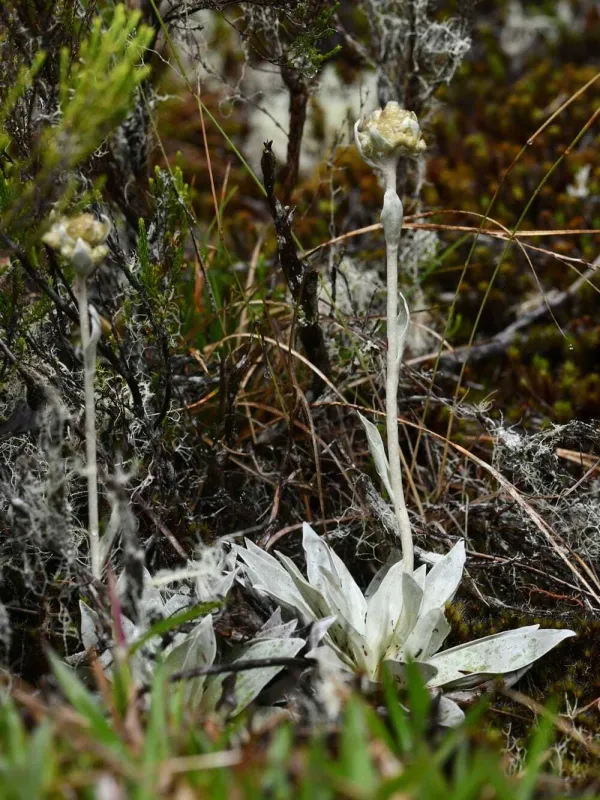
Description
Sowing dates
Sowing of Helichrysum arnicoides is typically scheduled for spring when soil temperatures reach stable levels. The seeds require shallow placement to ensure proper germination under favorable moisture conditions.
For commercial production, starting seedlings in a nursery environment is often preferred to ensure uniform plant establishment. Seedlings are transplanted once the risk of severe frost has passed and the root system is sufficiently developed.
Growing requirements
As a member of the Asteraceae family, this species thrives in high-light conditions and open areas. It originates from regions where natural drainage and sun exposure are abundant, which define its agronomic requirements.
The ideal soil for cultivation is sandy or loamy with excellent drainage characteristics. Heavy clay soils that retain excessive moisture should be avoided to prevent root diseases and ensure healthy plant development.
While the crop is naturally drought-tolerant once established, supplemental irrigation may be beneficial during the initial growth phases. Proper spacing is essential to facilitate air circulation, which prevents humidity-related issues.
Main diseases and pests
The most significant threat to Helichrysum arnicoides is fungal infection, particularly root and stem rot caused by waterlogged soil. Implementing proper crop rotation and site selection are the primary defense strategies.
Insects like aphids and certain larvae may target the foliage during the growing season. Maintaining field hygiene and monitoring for pest activity are crucial components of an integrated pest management program.
Harvesting
The harvest phase is defined by the full bloom period when the concentration of essential compounds in the flower heads is at its peak. Timing is critical to ensure the high pharmacological value of the raw material.
Harvested materials must be dried immediately in a ventilated, shaded environment. Maintaining a controlled temperature is vital to preserving the essential oils and structural integrity of the flowers.