
Helichrysum filicaule
Helichrysum filicaule
Description
Growing requirements
Helichrysum filicaule is a distinct herbaceous perennial belonging to the Asteraceae family. Originating from the mountainous regions of South Africa, it is well-adapted to surviving in rocky, nutrient-poor substrates where typical agricultural crops would struggle to thrive.
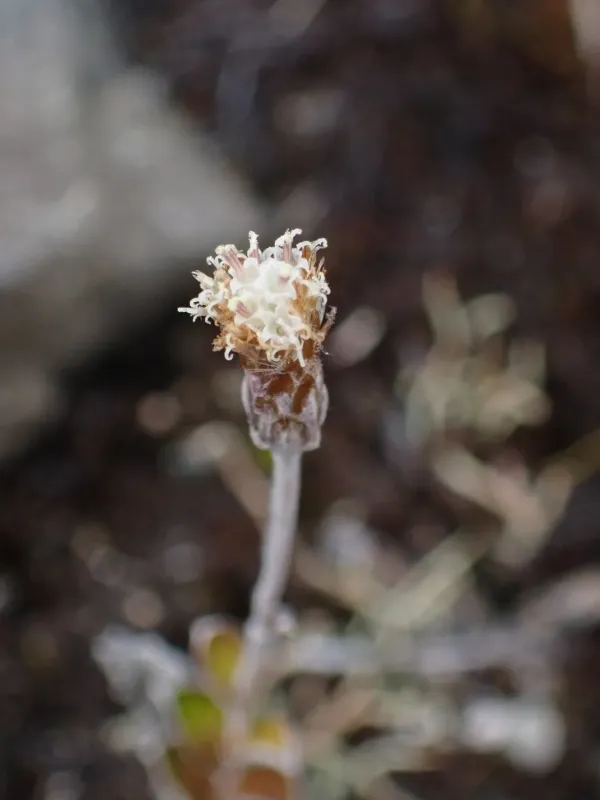
Botanically, the plant is characterized by its delicate, thread-like stems and small, everlasting flowers. These flowers possess papery bracts that act as a defense mechanism against harsh environmental conditions, allowing the plant to maintain its structural integrity long after drying.
To cultivate this species successfully, growers must ensure a location with full sun exposure and a highly efficient drainage system. It is extremely intolerant of waterlogged soils, which can cause rapid root decay; therefore, using sandy or grit-heavy soil amendments is essential.
The climate requirements for this plant favor temperate to warm environments with a clear cycle of distinct wet and dry seasons. Proper aeration is crucial, as the plant originates from high-altitude areas where constant airflow is a natural growth factor.
In terms of agricultural and horticultural use, Helichrysum filicaule is primarily valued as a premium dried flower. Its durability and elegant aesthetic make it a staple in professional floristry and landscape designs, particularly in xeriscaping or rock garden projects.
Main diseases and pests
The primary threats to this culture involve various fungal infections triggered by excessive soil moisture. Root rot is the most devastating disease, typically manifesting in poorly drained containers or garden plots during prolonged rainy periods.
Powdery mildew represents a significant risk if air circulation is inadequate. The fungal growth covers the foliage and stems in a white, powdery layer, which eventually hinders photosynthesis and causes the plant to lose its vibrant, healthy appearance.
Pests such as aphids and spider mites are known to infest the delicate shoots of the plant. These pests feed on the sap, causing stunted growth and deformity of the leaves, which negatively impacts the yield of harvestable material for floral arrangements.
Effective management includes integrated pest control strategies, emphasizing early detection. Growers should avoid overhead irrigation to keep foliage dry, as this significantly reduces the likelihood of both fungal outbreaks and pest colonization.
Maintaining a clean growing area by removing decaying plant matter is a necessary preventive measure. By keeping the site free of debris and ensuring optimal spacing between individual plants, the overall health of the Helichrysum crop can be maintained efficiently.