
Helichrysum aureonitens
Helichrysum aureonitens
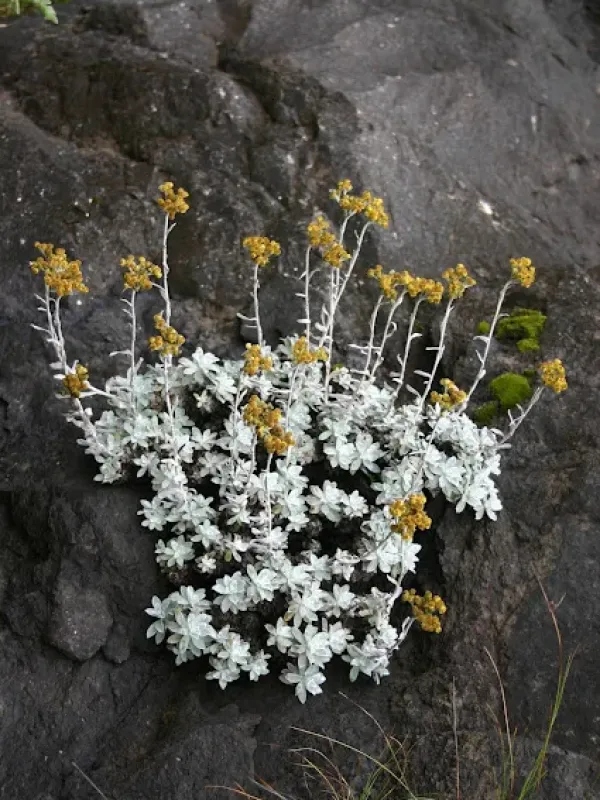
Description
Sowing dates
Helichrysum aureonitens is a perennial herb belonging to the Asteraceae family, widely recognized for its high ornamental value. Propagation is typically achieved through seeds, which should be sown indoors in late winter or early spring to ensure a long growing season for the plants.
When sowing, seeds should be placed on the surface of a fine, well-draining substrate and pressed down gently without covering them deeply, as they require light to germinate. Maintaining a consistent temperature of around 18-20 degrees Celsius is essential for optimal seedling emergence.
Once the seedlings develop two true leaves, they should be pricked out into individual pots to encourage stronger root system development. Providing adequate light and ventilation during this stage is crucial to prevent the seedlings from becoming spindly or weak.
Transplanting to the final outdoor location should only occur after the risk of frost has passed. Spacing plants approximately 25-30 centimeters apart allows for sufficient airflow, which is vital for keeping the plants healthy and minimizing the risk of fungal outbreaks in the dense foliage.
For regions with milder climates, direct outdoor sowing is possible once the soil has sufficiently warmed up. However, the seedling method remains the gold standard for achieving high-quality, uniform flowering in professional floriculture settings.
Growing requirements
This species thrives in full sun, requiring at least six to eight hours of direct light daily to produce its signature golden inflorescences. Shaded locations will result in stunted growth and a significant reduction in the quality and intensity of the flower color.
The ideal soil for Helichrysum aureonitens is a sandy or light loamy soil that provides excellent drainage. Because the plant is native to well-drained habitats, it is highly susceptible to root rot if placed in heavy, waterlogged soil types that stay wet for extended periods.
Watering requirements are relatively low; the plant is well-adapted to occasional dry spells. Once established, it is better to provide deep, infrequent watering rather than frequent light sprinkling, ensuring the root zone can dry out between waterings to maintain plant vigor.
Fertilization should be managed carefully, with a focus on balanced or low-nitrogen formulas. Excessive nitrogen will promote lush foliage growth at the expense of flower production, which is the primary economic objective for this crop.
Maintenance tasks include regular weeding of the planting site to eliminate competition for water and sunlight. Mulching with organic material is generally not recommended around the base of the plant to avoid trapping moisture and risking neck rot.
Yield
The yield of Helichrysum aureonitens is evaluated based on the number and quality of flower heads suitable for the dried flower market. By implementing proper pruning and deadheading techniques, growers can significantly extend the flowering period and increase the total harvest volume.
Harvesting timing is critical for commercial success; flower heads should be harvested when they are partially open, but before the central disc becomes too exposed. This stage ensures the best retention of color and form after the drying process is complete.
Productivity is also measured by the uniformity of the stems, which are highly valued in the creation of professional dried floral arrangements. Selecting high-performing cultivars and providing consistent care allows for multiple harvests throughout the growing season.
Seed production is an additional potential source of revenue for growers. By leaving selected plants to fully mature and dry on the stem, producers can harvest high-quality seeds that are essential for future planting cycles and biodiversity preservation.
Industrial scale cultivation requires efficient harvest logistics to ensure the product remains in peak condition. The use of automated drying chambers with climate control can significantly improve the shelf life and overall quality of the harvested material.
Main diseases and pests
Grey mould (Botrytis cinerea) represents the most significant threat, especially during wet or humid weather conditions. It primarily affects the flower heads and stems, necessitating immediate removal and destruction of affected plant parts to prevent further spread throughout the crop.
Aphids and spider mites are common pests that tend to cluster on young shoots during hot and dry periods. Integrated pest management, including the use of beneficial insects or organic horticultural soaps, is recommended to manage these populations without damaging the plant tissue.
Root rot caused by poor soil drainage can kill entire patches of Helichrysum if not addressed early. Proper site selection and soil preparation are the best preventative measures, as chemical control of root-borne pathogens in this species is often ineffective.
Powdery mildew may occur if planting densities are too high or air circulation is obstructed. Regular inspection and maintaining proper spacing between plants are the most effective ways to keep the foliage clean and prevent the development of white fungal patches.
Cleaning tools between different zones of the field helps to prevent the mechanical transmission of viral or fungal infections. Maintaining overall plant hygiene is key to sustaining a healthy and productive crop over multiple years.
Harvesting
Harvesting should always be conducted in the morning once the dew has evaporated, as moisture on the petals can lead to rapid decay during the drying process. A sharp, sterile knife or secateurs should be used to cut the stems cleanly without causing crushing or bruising.
Immediately after cutting, stems should be bunched and hung upside down in a dark, warm, and well-ventilated area. Darkness is essential to preserve the vibrant yellow color of the bracts, which would otherwise fade if exposed to intense UV radiation during drying.
The drying process typically takes two weeks, depending on ambient humidity levels. During this time, the stems will harden and become rigid, confirming that the plant is sufficiently dehydrated and stable for storage or immediate sale.
Once dried, the flowers should be kept in a low-humidity environment to prevent them from reabsorbing moisture, which could compromise their structure. Proper storage containers will protect the dried flowers from physical damage and dust accumulation.
Final inspection of the dried product ensures that only the highest grade stems reach the market. By adhering to these harvesting and handling protocols, growers can guarantee a premium product that maintains its ornamental beauty for an extended duration.