
Astragalus genargenteus
Astragalus genargenteus
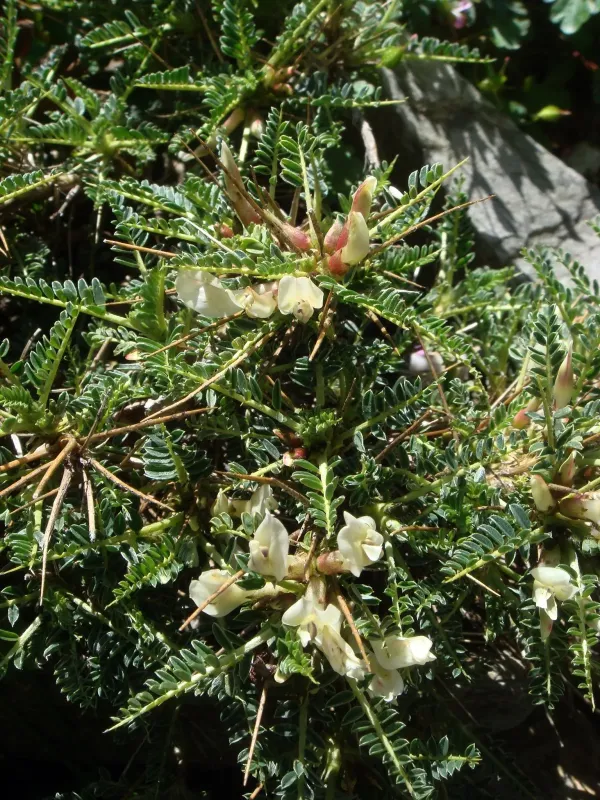
Description
Growing requirements
Astragalus genargenteus is a perennial herbaceous plant belonging to the Fabaceae family. This species is a narrow endemic, natively occurring exclusively in the Gennargentu mountain range on the island of Sardinia, Italy.
The plant has evolved to thrive in high-altitude ecosystems, showing a strong preference for stony substrates and well-drained soils. Its physiology is perfectly adapted to survive freezing temperatures and high UV exposure common in alpine regions.
Botanically, it features a robust taproot system that enables the plant to extract moisture from deep soil layers, providing essential resilience during periods of drought. Cultivation practices must prioritize soil structure preservation to protect its delicate rhizosphere.
Light requirement is a critical factor for successful growth, as the plant is a dedicated heliophyte. Growers must avoid excessive nitrogen fertilization, as it can inhibit the nitrogen-fixing symbiotic bacteria crucial for the plant's long-term survival and health.
While currently limited to conservation and botanical interest, the species has significant potential for use in breeding programs aimed at developing drought-hardy legumes for the restoration of mountain pastures.
Main diseases and pests
The primary threats to the species include root rot diseases, which often occur due to poor drainage during heavy precipitation or spring thaw. Maintaining a well-drained growing environment is the most important measure to prevent fungal colonization.
Nodule weevils are considered the main insect pests, as they attack the root collar and compromise the plant's overall vigor. Infestations can significantly reduce plant biomass and survival rates in the field.
Powdery mildew can pose a risk if the plant is grown in areas with restricted air circulation. In its natural habitat, overgrazing by livestock continues to be the most significant anthropogenically driven threat to local populations.
Competition from invasive plant species can hinder the establishment of Astragalus genargenteus seedlings. Proper site selection and initial weed control are essential for ensuring a successful transition from seeding to a stable plant population.
For pest management, biological control methods are highly recommended. Such approaches help maintain the delicate balance of the environment while effectively managing the population density of localized agricultural pests.