
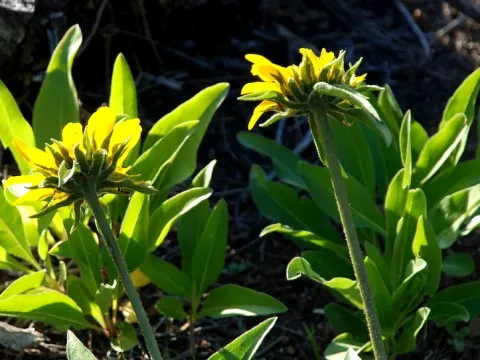
Helianthella
Helianthella
Helianthella is a genus of perennial herbaceous plants belonging to the Asteraceae family. Known for its sunflower-like appearance, this plant is primarily valued in botanical gardens and ornamental landscapes rather than in traditional row-crop agriculture.
What the section contains

Helianthella
The optimal sowing time for Helianthella in temperate regions is spring, specifically mid-May. Seeds require a soil temperature of approximately 10 to 12 degrees Celsius to ensure successful germination and early establishment of the root system.
Propagation can be achieved through both direct seeding and greenhouse-based nursery methods. When starting indoors in March, use a light, well-draining seed starting mix to prevent damping-off, which is a common issue for many Asteraceae seedlings.
Seeds should be covered with a thin layer of soil, as light is often required for optimal germination in many wild species of the genus. Keeping the substrate consistently moist but not saturated is crucial during the first three weeks of development.
Seedlings should be hardened off for at least ten days before being transplanted into their permanent outdoor locations. Providing adequate spacing, usually 40–60 centimeters between plants, ensures that mature specimens have enough room for air circulation.
Native to North American grasslands and rocky slopes, Helianthella thrives in full sun exposure. It is highly adapted to environments with high light intensity, which is essential for producing vibrant and structurally sound flower stems.
The plant requires well-draining soil with a neutral to slightly alkaline reaction. It does not tolerate waterlogging, which quickly leads to root rot; therefore, incorporating gravel or coarse sand into heavy clay soils is recommended for successful cultivation.
Watering requirements are moderate once the plant is established. While Helianthella shows natural resilience to periodic droughts, consistent moisture during the peak summer growing season will result in more vigorous foliage and a higher number of blossoms.
Nutrient management involves applying a balanced granular fertilizer early in the spring. Excessive nitrogen should be avoided as it promotes rapid, succulent growth that is more prone to lodging and susceptibility to various environmental stressors.
In terms of climate, the plant is hardy and adapts well to seasonal changes. Proper winter preparation, such as applying a light layer of organic mulch around the crown, is advised in regions that experience severe frost, protecting the roots from rapid temperature fluctuations.
Fungal pathogens such as powdery mildew are the most common concern for Helianthella, especially when humidity levels remain high for extended periods. Preventive measures include ensuring good airflow and avoiding overhead irrigation where possible.
Botrytis, or grey mold, can also affect the flowers and foliage under stagnant air conditions. Regular inspection of the plants is recommended, and if symptoms appear, removing and destroying the infected parts is necessary to prevent further spread.
Common pests like aphids and spider mites can impact plant vitality by feeding on sap, often causing chlorosis or stunted growth. Insecticidal soaps or neem oil treatments are effective non-toxic options for managing these populations during the early stages of infestation.
Soil-borne insects, including wireworms, can damage the crown and root system. Maintaining soil health through crop rotation (if applicable) and regular weeding helps reduce the habitat for these harmful pests.
Lastly, monitoring for viral symptoms, such as leaf mosaic or distortion, is important for overall garden hygiene. Affected plants should be removed from the site to minimize the risk of transmission to neighboring specimens by insect vectors.