
Helichrysum monizii
Helichrysum monizii
Description
Growing requirements
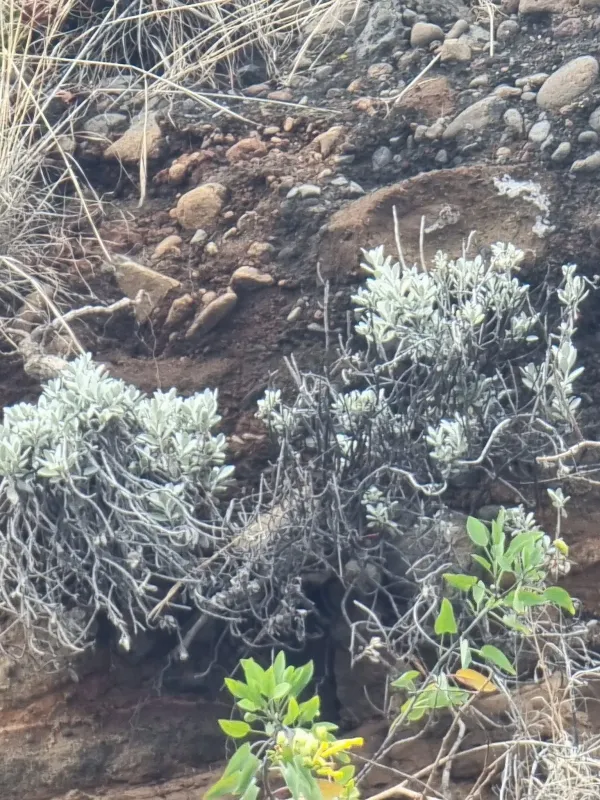
Helichrysum monizii is a rare perennial semi-shrub belonging to the Asteraceae family. It is an endemic species native to the island of Madeira, where it grows in harsh, rocky, and high-altitude environments, showcasing remarkable resilience.
Botanically, the plant is adapted to thrive in xeric conditions. It forms dense clusters or small bushes with specialized foliage designed to reduce transpiration and protect the plant from the strong oceanic winds and intense solar radiation common in its native habitat.
Climate requirements include high levels of sunlight and good air circulation. It thrives in temperate conditions and struggles with high humidity, which can lead to structural damage or susceptibility to pathogens, especially if the temperature fluctuates significantly.
The soil profile must be extremely well-draining, ideally composed of gravel, coarse sand, and minimal organic matter. In a controlled agricultural or horticultural setting, the substrate should mimic the rocky screes of its home to prevent root suffocation.
Agricultural management requires a 'dry-first' approach. Watering should be sparse, focusing on keeping the root crown dry to prevent rot, while fertilizing is rarely needed due to the plant's adaptation to nutrient-poor soils in its natural environment.
Main diseases and pests
The primary threat to the health of Helichrysum monizii is the presence of fungal infections caused by excessive humidity or poorly drained soil conditions, leading to root and stem rot.
Common pests include spider mites and aphids, which are particularly troublesome when the plant is kept in indoor environments where natural predators are absent and air circulation is low.
Powdery mildew is a frequent issue in greenhouse cultivation, appearing as white patches on the foliage, which can weaken the plant's photosynthetic capacity if left untreated.
Over-watering remains the single most common cause of mortality for this species, as the roots are highly specialized for oxygen-rich environments and perish quickly in saturated soils.
Maintaining a clean growing environment and providing consistent airflow are essential components of integrated pest and disease management for this sensitive species.