
Helichrysum thianschanicum
Helichrysum thianschanicum
Description
Growing requirements
Helichrysum thianschanicum is a perennial herbaceous plant belonging to the Asteraceae family. Originating from the mountainous regions of the Tien Shan range, it is naturally adapted to high-altitude environments characterized by intense solar radiation and minimal rainfall.
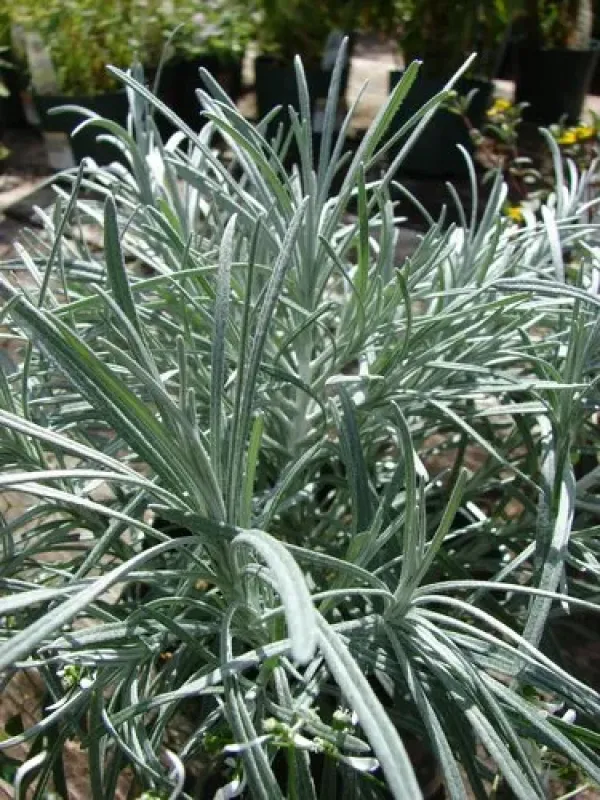
The plant requires full sun exposure to thrive. Its silver-gray foliage and vibrant yellow inflorescences develop best in open areas where plants are not subjected to shading, which helps maintain the plant's characteristic compact growth habit.
Soil requirements are strict regarding drainage. It is essential to provide well-drained, sandy, or rocky soils. The plant is highly sensitive to waterlogging, which quickly leads to crown rot and systemic failure of the crop in poorly aerated or heavy clay soils.
In terms of climatic tolerance, the species is hardy and adapted to significant temperature fluctuations. It remains resilient under drought conditions, making it an excellent candidate for low-maintenance landscaping and xeriscaping in arid climates.
Commercially, the plant is utilized both as an ornamental species for its aesthetic foliage and as a potential source for bioactive compounds. Its ability to retain structure and color after drying makes it highly popular in the floral industry for dried arrangements.
Main diseases and pests
The primary threats to the crop include fungal pathogens that exploit poor soil drainage. Fusarium wilt and Rhizoctonia rot are the most common diseases, particularly in areas where humidity levels rise during the late spring and summer months.
Botrytis, or gray mold, can affect the inflorescences if the plants are grown in conditions with poor air circulation. This disease is especially problematic when high relative humidity coincides with cool temperatures during the flowering stage.
Insect pests, such as aphids, frequently colonize the tender tips of young shoots. Aphids draw sap from the plant, weakening its growth and providing an entry point for secondary infections or viral diseases that can stunt development.
Root-feeding larvae, such as wireworms, can cause significant damage to established plantings. These pests are particularly problematic in fields that have been recently converted from turfgrass to cultivated flower production.
Effective management includes regular sanitation practices, such as removing infected debris, and maintaining proper plant spacing to ensure airflow. Chemical controls should be applied only when necessary, adhering strictly to the safety intervals for medicinal and ornamental crops.