
Helichrysum argyrosphaerum
Helichrysum argyrosphaerum
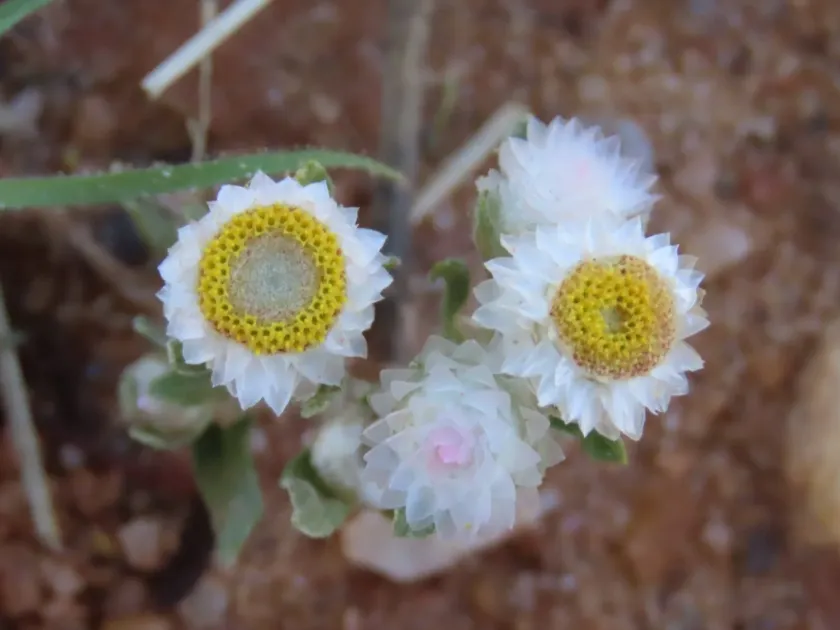
Description
Sowing dates
Sowing Helichrysum argyrosphaerum seeds is best done in late March or early April in a greenhouse or controlled environment. This allows for healthy seedling development before transplanting into open ground once the danger of frost has passed.
When sowing directly into the field, the soil temperature should be at least 15-18 degrees Celsius. Seeds should be placed near the soil surface, covered with a very thin layer of substrate, as light exposure is often required for optimal germination.
Seedlings typically emerge within 14 to 20 days. Providing adequate light and preventing high humidity levels during this early stage are crucial to prevent damping-off diseases and ensure strong stem growth.
Transplanting should be organized with spacing of approximately 25-30 cm between plants, and 40-50 cm between rows. This spacing ensures proper air circulation, which is vital for the health of these silver-foliaged plants.
Preparing the soil involves deep tilling and incorporating organic matter if the soil is too lean. The ideal substrate is well-drained and slightly sandy to mimic the plant's natural habitat.
Growing requirements
Helichrysum argyrosphaerum requires full sun exposure to thrive. Its distinct silver color and bloom density are directly linked to the amount of sunlight the plants receive throughout the growing season.
The plant is highly adaptable to poor soils, provided that the drainage is excellent. It is naturally drought-tolerant and performs poorly in heavy, clay-based soils that retain too much water.
The optimal temperature range for growth is between 20 and 25 degrees Celsius. It can withstand high summer heat, making it a reliable choice for Mediterranean or arid climates.
Watering should be conservative. Once established, these plants prefer deep, infrequent watering rather than light, daily irrigation, which can lead to superficial root systems and increased susceptibility to disease.
Fertilization should be applied sparingly. Over-fertilizing, especially with nitrogen, encourages excessive green growth at the expense of floral production and can weaken the plant's structural integrity.
Yield
The yield of Helichrysum argyrosphaerum is evaluated based on the number of high-quality, uniform inflorescences produced per plant. Proper pruning of the main shoots can significantly increase the total count of flower heads.
For commercial production, dense planting patterns can maximize output per hectare, provided that irrigation and weed management are strictly controlled throughout the vegetative stage.
Harvesting strategies play a major role in the final yield quality. By selecting only the most mature yet partially closed blooms, farmers ensure a higher market value for their dried flower products.
Maintaining a clean plantation is essential for yield consistency. Weeding and manual control help prevent competition, ensuring the plants direct their energy into flower development.
In optimal conditions, a single healthy plant can produce a substantial harvest of dried material that is sought after for both high-end floristry and specialized herbal manufacturing.
Main diseases and pests
The most common threat to this crop is root rot caused by fungal pathogens when the soil stays too damp for extended periods. Good drainage is the best preventative measure.
Aphids and spider mites are typical pests that target the plant's buds and leaves. Their presence can severely impact the quality of the harvested flowers by causing stunted growth or discoloration.
Maintaining proper spacing between plants is critical for airflow, which reduces the prevalence of fungal diseases such as downy mildew during humid summer months.
Weed control is vital during the early establishment phase. Young plants grow slowly and can be easily outcompeted by more aggressive weeds, which may harbor pests and diseases.
Integrated Pest Management (IPM) practices, including the use of beneficial insects and biological fungicides, are highly recommended to keep the crop healthy without damaging the delicate flower structure.
Harvesting
Harvesting should occur when the flower heads are about two-thirds open. This timing is critical because the flowers continue to open slightly during the drying process.
All harvesting activities must take place during dry, sunny afternoons. Ensuring the plants are completely free of moisture prevents mold growth, which can ruin an entire batch during the drying phase.
Once harvested, the stems should be bundled and hung upside down in a dark, well-ventilated location. Keeping the flowers in the dark preserves their natural color and metallic silver texture.
Drying usually takes 10 to 14 days, depending on environmental humidity. The product is ready for storage when the stems snap cleanly without bending or showing signs of internal moisture.
Final storage should be in cool, dry conditions away from direct light. Properly handled, the dried inflorescences will maintain their form and color for several years, making them ideal for long-term decorative use.