
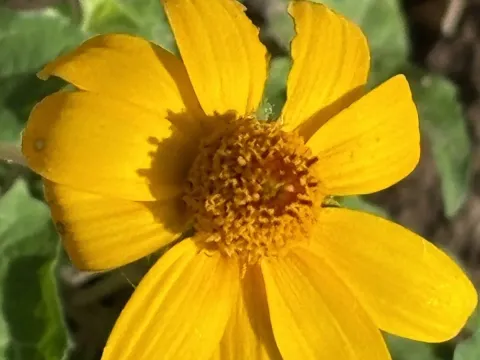
Heliopsis
Heliopsis
Heliopsis seeds are typically sown in the open field during mid-spring, once the soil has warmed up sufficiently. Alternatively, fall sowing allows seeds to undergo natural cold stratification, which often results in more vigorous spring germination.
What the section contains


Heliopsis
When starting indoors, seeds should be sown in trays during March. Proper lighting is essential to ensure seedlings develop strong, non-leggy stems before they are hardened off and transplanted outdoors.
As a member of the Asteraceae family, Heliopsis is a robust perennial. It is crucial to maintain spacing of about 40–50 centimeters between plants to ensure optimal airflow and prevent fungal development in dense canopy structures.
The crop thrives in well-drained, fertile, neutral-pH soils. Seeds have a high germination rate, often emerging within 10 to 14 days when kept at a constant temperature of 18–20 degrees Celsius.
Seedlings should be pricked out into individual pots once the first true leaves appear. Final transplanting should be delayed until all risks of frost have passed to ensure the establishment of a strong root system.
Heliopsis is a sun-loving plant that requires full exposure to thrive. When grown in partial shade, the stems tend to become weak and elongated, and the frequency of flowering is drastically reduced.
Soil requirements are moderate; the plant prefers well-drained loam. While it is adaptable, it suffers in waterlogged conditions, which can lead to crown rot and poor plant health over the winter months.
Regular watering is beneficial during dry spells, although mature plants are known for their resilience. Fertilizing with a balanced NPK ratio during the vegetative stage promotes both foliage development and bud count.
The plant is highly winter-hardy and does not typically require protective covering in temperate climates. A simple cleanup of debris in the fall is usually sufficient to prepare the plant for dormancy.
To maintain high productivity and bloom quality, it is recommended to divide mature clumps every 4–5 years. This practice rejuvenates the plant and prevents the center of the crown from dying out.
The primary concern for Heliopsis is powdery mildew, which can occur during hot, humid spells or in areas with poor airflow. Fungicides or organic neem-based sprays can be used to manage outbreaks effectively.
Aphids occasionally target new, tender growth during the spring. Monitoring is essential; mild infestations can be managed with insecticidal soap, while systemic treatments are reserved for severe cases.
Rust may appear as yellowish or brownish spots on the leaves. Removing the affected foliage and improving site ventilation are the most effective cultural methods to prevent the spread of fungal spores.
Slugs and snails can be a nuisance for young transplants. Providing physical barriers or utilizing iron phosphate baits helps protect the seedlings during their most vulnerable stage.
Overall, Heliopsis is a low-maintenance crop with a strong immune system. Good sanitation practices, such as removing old plant debris after the first frost, go a long way in preventing future disease issues.
For floral production, stems should be harvested when the flower heads are about halfway open. This stage ensures the longest vase life and maintains the structural integrity of the blooms during transport.
If seeds are the target, flower heads should be left to mature fully on the plant until they become dark and brittle. Harvest should occur before the seeds are dispersed by the wind or heavy rain.
Harvesting is best performed in the cool, early morning hours when the plant's moisture content is at its peak. Using sharp, sanitized tools ensures clean cuts and reduces the risk of tissue damage.
In landscaping, Heliopsis is highly valued for its exceptionally long flowering period, which provides continuous color from summer into autumn. This durability makes it a staple for public green space management.
After the season concludes, the stems should be cut back close to the ground. This clearing process helps the plant redirect energy to the roots, ensuring a healthy and rapid emergence in the following spring season.