
Helichrysum plicatum
Helichrysum plicatum
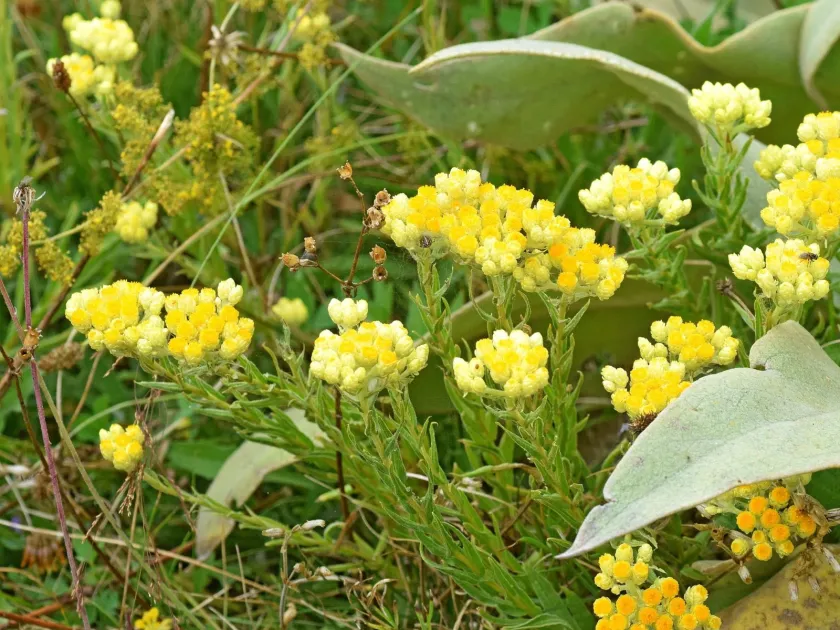
Description
Sowing dates
Helichrysum plicatum is a perennial herbaceous plant belonging to the Asteraceae family. In agricultural practice, seeds are typically sown in early spring once the soil temperature consistently reaches 10-12°C to ensure uniform germination.
Due to the small size of the seeds, they require a very shallow planting depth of approximately 0.5 cm. Light exposure is beneficial for germination, so covering them with a very thin layer of fine sand is recommended.
Starting the crop in greenhouses or nursery trays is a preferred method for commercial production. This approach allows for better control over moisture levels, which are critical during the initial development of the seedlings.
The standard spacing between rows is usually set at 50-60 cm to allow for efficient mechanical weeding and aeration of the plantation. Proper plant density ensures that each individual plant has sufficient space for optimal growth and flowering.
The establishment phase of Helichrysum plicatum is relatively slow. It is essential to keep the soil surface moist during the first 3-4 weeks until the root system has developed enough to sustain the plant independently.
Growing requirements
This species is well-adapted to mountainous regions and dry steppe climates, making it a highly drought-tolerant crop. It thrives in open areas with full sun exposure, which is necessary to maximize the production of essential oils and active compounds.
The soil requirements for Helichrysum plicatum are focused on drainage. Sandy, gravelly, or well-drained loamy soils are ideal. The plant is extremely sensitive to waterlogging, which can cause crown rot and quickly destroy the entire crop.
It prefers neutral to slightly alkaline soil conditions. The plant is naturally adapted to nutrient-poor soils, meaning that excessive fertilization is usually unnecessary and can even be detrimental to the quality of the harvested biomass.
Temperature range is broad, as the species is winter-hardy in most temperate zones. It survives dormant winter periods effectively, especially when covered by snow, which protects the roots from extreme frost.
During the active vegetative period, the plant requires very little supplemental water. Irrigation should only be considered during prolonged drought in the initial establishment phase to prevent stunting the young plants.
Yield
The yield of Helichrysum plicatum reaches its peak from the second to the fifth year of cultivation. Proper plantation management, including regular weeding, is crucial for maintaining high productivity over many years.
Harvesting for commercial purposes involves collecting the flower heads in the early budding stage. Yield estimates for dried flowers range from 0.5 to 1.0 metric tons per hectare depending on site conditions and plant density.
Productivity remains stable for several years, making this a cost-effective perennial crop. However, yields typically start to decline after the sixth or seventh year, suggesting that plantation renewal is necessary.
The concentration of active ingredients, such as flavonoids and essential oils, is significantly higher when plants are grown in their natural, slightly stressful environment rather than in overly fertile, heavily irrigated conditions.
Drying the flowers requires careful temperature management. Forced air drying at low temperatures (below 40°C) is ideal to preserve the color, aroma, and therapeutic properties of the flower heads.
Main diseases and pests
The most common disease affecting this crop is powdery mildew, which occurs during periods of high humidity or poor air circulation within the field. Ensuring wide spacing between plants is the best preventative strategy.
Root and crown rot are serious threats associated with poorly drained soils or over-irrigation. Avoiding stagnant water is the primary defense mechanism against these fungal pathogens.
Weeds are the primary competitor during the first year of growth. Because the seedlings are slow to establish, manual or mechanical cultivation is mandatory to prevent weeds from outcompeting the crop.
Insects like aphids can occasionally cause problems during warm, dry spells. Monitoring the plantation for early signs of infestation allows for targeted management without relying on heavy chemical interventions.
Maintaining biological diversity around the field and adhering to strict crop rotation practices helps prevent the buildup of soil-borne diseases that are specific to the Asteraceae family.
Harvesting
The harvest is conducted by cutting the flower heads when they are just beginning to open. This stage is critical because the chemical profile of the plant changes as the flowers reach full bloom and maturity.
Because the flowers on a single plant mature at different rates, the harvest is typically performed in several passes across the field. This ensures that the bulk of the collected material meets high quality standards.
Freshly cut flowers should be transported to the drying facility immediately to prevent heating and browning. Even a few hours of leaving the cut material in piles can negatively impact the final product quality.
Storing the dried product requires a cool, dry, and dark environment to maintain the integrity of the volatile oils. Airtight containers are recommended if long-term storage is intended.
As a valued medicinal herb, Helichrysum plicatum is in demand for its anti-inflammatory and choleretic properties, making high-quality, sustainably harvested crops a valuable agricultural output.