
Helichrysum tenax
Helichrysum tenax
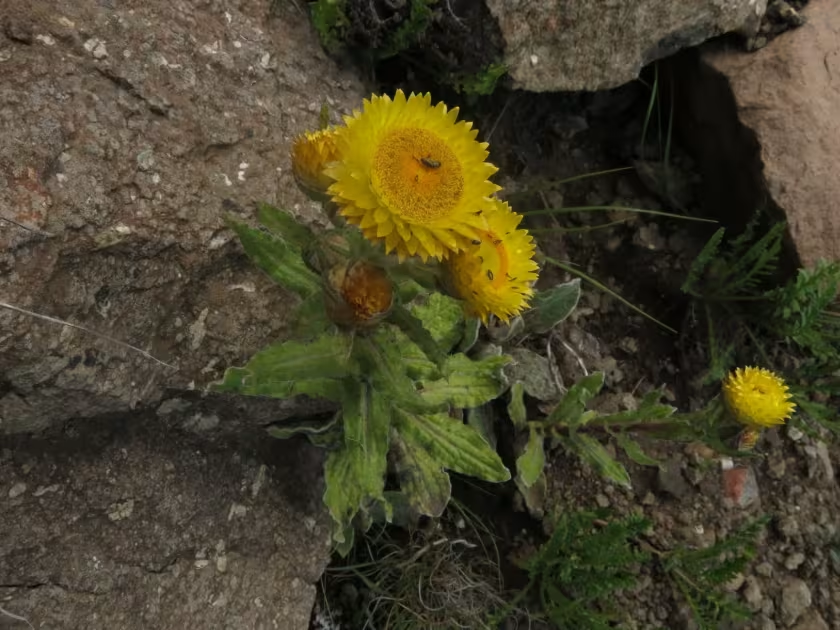
Description
Sowing dates
The sowing of Helichrysum tenax is typically performed in indoor seed trays or greenhouse containers to ensure consistent development of the seedlings.
Seeds should be sown in late winter or early spring, maintaining a warm environment to facilitate germination within one to two weeks.
A light, well-draining soil mix is essential for the seedling stage to prevent damping-off diseases and promote healthy root system establishment.
Transplanting into the field must occur only after the risk of frost has completely passed, as the young plants are sensitive to sudden cold snaps.
Adequate space between rows is recommended during sowing or transplanting to facilitate easier weeding and maintenance later in the growing season.
Growing requirements
Helichrysum tenax belongs to the Asteraceae family and is native to Australian regions characterized by dry, sunny climates and nutrient-poor soils.
The plant requires full sun exposure to thrive, as shade will significantly hinder the production of its signature vibrant inflorescences.
Soil quality should focus on drainage; sandy or rocky soil types are far superior to clay-based soils, which retain excessive moisture.
While the species is naturally drought-tolerant, supplemental irrigation during the peak growing season ensures more robust plant size and flower yield.
The cultivation environment should ideally mimic its native habitat with high thermal stability and excellent ventilation to maintain overall health.
Main diseases and pests
Fungal diseases are the primary threat to Helichrysum tenax, particularly root rot, which occurs in environments with poor soil drainage or high humidity.
Aphids can pose a threat by colonizing the tender parts of the stems, leading to potential deformation of the flower buds if not monitored properly.
Excessive humidity combined with poor air circulation can lead to outbreaks of powdery mildew, which affects the leaves and overall vigor of the plant.
Soil-borne pathogens can be minimized by avoiding monoculture in the same plot year after year and by ensuring adequate spacing between individual plants.
Monitoring the undersides of leaves regularly allows for early detection of pests, enabling organic interventions before damage becomes widespread.
Harvesting
The harvest timing for Helichrysum tenax is critical; flowers must be cut while the buds are still semi-closed to ensure longevity in dried arrangements.
Cutting should take place during dry, mid-day conditions to minimize the moisture content within the plant tissue, which speeds up the drying process.
After cutting, the stems should be bundled and hung upside down in a dark, airy location away from direct sunlight to preserve pigment integrity.
Once dried, the flowers develop a unique, papery texture that makes them ideal for various industrial and decorative floristry applications.
Proper harvest practices ensure the maximum structural integrity of the inflorescence, allowing for long-term storage and use in professional arrangements.