
Helichrysum valentinum
Helichrysum valentinum
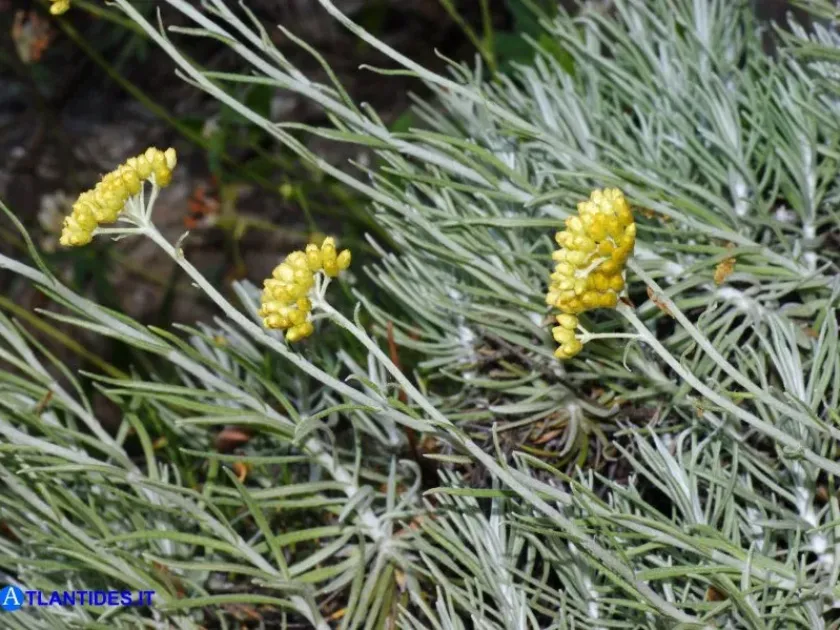
Description
Sowing dates
Cultivation of Helichrysum valentinum typically begins with nursery-grown seedlings to ensure uniform crop establishment. This method is highly preferred in agricultural settings to optimize field productivity.
Seeds are sown in trays during late February or early March. As they require light for germination, they must be surface-sown on a well-draining substrate without being deeply buried.
Transplanting into the field is carried out in mid-May once the frost risk has passed. The plants should be acclimated to outdoor conditions to increase their survival rate upon transplantation.
Direct seeding is possible in warmer climates, although it poses challenges with weed competition and germination inconsistency. Thus, it is rarely chosen for large-scale production.
Plant density should be managed to allow for 40,000 to 60,000 plants per hectare. This spacing supports good airflow, which is critical for reducing humidity-related diseases within the crop canopy.
Growing requirements
Helichrysum valentinum is a member of the Asteraceae family, known for its resilience and adaptability to Mediterranean-like environments. It thrives in sunny locations with minimal competition.
The plant demands sandy or rocky, well-draining soil. It is highly sensitive to waterlogged conditions, which lead to root rot and significant yield losses if drainage is not maintained.
Full solar exposure is a fundamental requirement for the development of both biomass and essential oil quality. Shaded plants tend to be weaker and have lower concentrations of secondary metabolites.
The soil should have a neutral to slightly alkaline reaction. The plant does not require high nitrogen levels, as excessive fertility can cause lush vegetative growth that hinders flower production.
While seedlings require irrigation during their initial establishment, mature plants are remarkably drought-tolerant. Their deep root systems allow them to thrive even during prolonged dry periods.
Main diseases and pests
Root rot is the most common threat to Helichrysum valentinum, usually caused by stagnant water or poor drainage. Preventing moisture buildup around the root collar is essential for plant longevity.
Powdery mildew may occur when humidity levels are consistently high or when there are extreme temperature shifts. Good plant spacing helps mitigate this risk by promoting rapid foliage drying.
Aphids represent the primary insect pest, as they feed on the developing buds. These pests can weaken the plant and serve as vectors for various viral diseases that stunt growth.
Weevil larvae can sometimes cause mechanical damage to the stems. Regular field scouting is necessary to identify and treat infestations before they spread across the entire plantation.
Integrated pest management is recommended, focusing on crop rotation and the removal of infected debris. This proactive approach significantly reduces the need for synthetic chemical treatments.
Harvesting
Harvesting is performed during the peak flowering stage when the concentration of essential oils is at its highest. Timing is crucial for ensuring the quality of the raw floral material.
Cuts should be made in the morning, once the dew has evaporated, to prevent excess moisture in the harvested biomass. Freshly cut flowers should be processed immediately after harvesting.
Drying must take place in a shaded, well-ventilated area. Rapid drying is preferred, but temperatures should be kept under 40 degrees Celsius to prevent the degradation of volatile compounds.
Proper air circulation is necessary to prevent the development of mold or discoloration. Uniform drying ensures that the natural color of the flowers is preserved for marketability.
Once dried, the product should be stored in opaque, airtight containers. This prevents light exposure and moisture absorption, preserving the product's quality for an extended shelf life.