
Helichrysum subulifolium
Helichrysum subulifolium
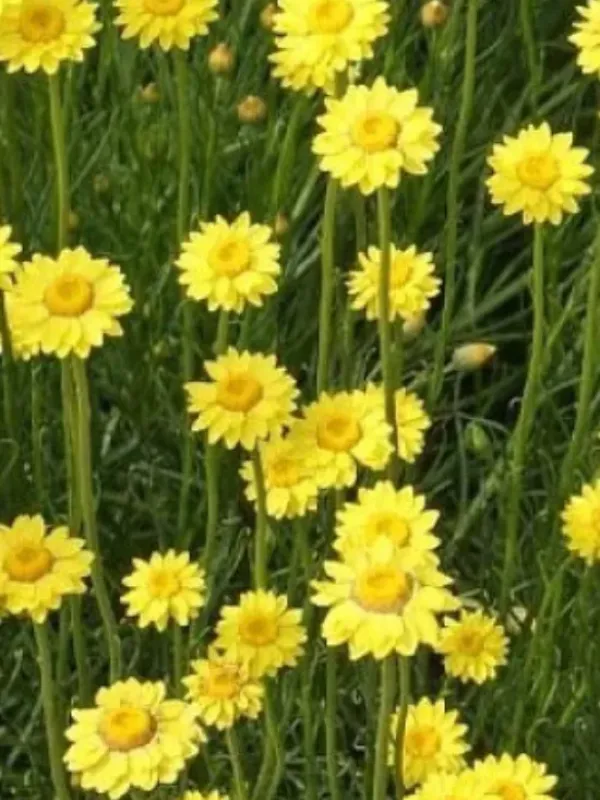
Description
Growing requirements
Helichrysum subulifolium is a perennial herbaceous plant belonging to the Asteraceae family. Native to the rugged landscapes of South Africa, it has evolved to survive in nutrient-poor and arid environments, making it a specialized crop for dry, well-draining garden designs.
Botanically, it is characterized by its subulate (awl-shaped) foliage, which is often coated in a fine, silvery indumentum. This pubescence serves as a vital physiological adaptation, reflecting intense solar radiation and minimizing transpiration loss during extreme heat.
For successful cultivation, the plant demands full sun exposure and excellent soil drainage. Heavy clay soils are unsuitable unless amended with significant amounts of grit or horticultural sand, as the roots are highly susceptible to rot under anaerobic, waterlogged conditions.
Climate requirements involve moderate temperatures and low humidity. While the plant is drought-tolerant once established, supplemental watering is necessary during the early stages of establishment and in periods of extreme drought to ensure proper floral development.
In terms of agrotechnology, fertilizing should be minimal. Excess nitrogen can lead to succulent, weak growth that is prone to disease and winter damage. A balanced, low-concentration mineral fertilizer applied once in early spring is usually sufficient to support healthy development.
Main diseases and pests
The primary threats to Helichrysum subulifolium are related to excess moisture. Root and crown rot pathogens thrive in damp, poorly drained soils, often leading to rapid plant decline. Maintaining a dry soil surface through the use of inorganic mulch is highly recommended.
Fungal diseases, particularly powdery mildew, can affect the leaves if air circulation is poor. Proper spacing during planting and choosing a location with good breeze exposure are the most effective cultural methods to mitigate these fungal risks.
Insect pests, such as aphids and spider mites, are common in greenhouse or dry outdoor conditions. These pests target the new growth and the undersides of leaves. Regular monitoring is essential to catch infestations before they compromise the harvest quality of the flowers.
Integrated pest management strategies are preferred, including the use of neem oil or insecticidal soaps. These methods are safer for the plants and the surrounding ecosystem, and they effectively manage pest populations without damaging the delicate, dry-natured tissues.
Winter care is crucial in cooler temperate regions. Since the plant is not fully frost-hardy, it should be protected from prolonged freezing and dampness. Potted specimens are best moved to a cold frame or a greenhouse where they can remain dormant in dry conditions.