
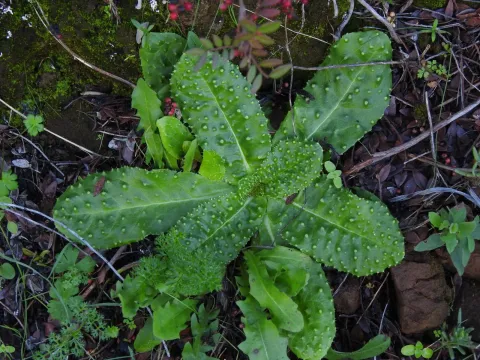
Helminthotheca
Helminthotheca
Helminthotheca is typically established through direct seeding. The optimal time for sowing is during the early spring once the threat of frost has passed and the soil temperature has reached at least 10–12 degrees Celsius.
What the section contains


Helminthotheca
Seeds should be planted at a shallow depth of approximately 1 to 2 centimeters to ensure adequate germination. Proper spacing is essential for plant health; keeping rows 30–45 centimeters apart promotes better air circulation and reduces the risk of fungal infections.
Before sowing, it is recommended to prepare the seedbed thoroughly by removing weeds and loosening the soil to a depth of at least 15 centimeters. Adding a small amount of organic compost can significantly improve seedling vigor.
For large-scale cultivation, precision seed drills are preferred to ensure uniform distribution and density. Once sown, covering the rows with a light layer of soil or straw can help retain surface moisture.
Regular irrigation during the first few weeks after sowing is crucial to keep the soil moist, as the young seedlings are highly sensitive to drought until their root systems are fully established.
This crop belongs to the Asteraceae family and thrives in well-drained, fertile soil. It performs best in full sun, which is necessary to maximize the plant's metabolic activity and biomass production.
Helminthotheca is somewhat tolerant to diverse soil types, including loams and sandy soils, provided they are not excessively compacted or prone to waterlogging. Neutral to slightly alkaline pH levels are ideal for nutrient uptake.
One of the notable botanical characteristics of the genus is its coarse, bristly leaves. These hairs act as a barrier against excessive transpiration, making the plant relatively resilient in dry conditions once mature.
The ideal ambient temperature for growth ranges between 18 and 25 degrees Celsius. If temperatures remain consistently high, the plant may trigger its reproductive cycle prematurely, leading to increased lignification of the stems.
Proper nutrient management, specifically moderate applications of nitrogen and potassium, should be implemented early in the season to support lush leaf development before the bolting stage begins.
The yield of Helminthotheca is primarily measured by the total harvestable leaf mass per hectare. In optimized agricultural systems, growers can expect significant outputs if conditions are maintained.
Effective weed management is the most important factor in ensuring high yields. Because Helminthotheca is relatively slow to establish in its initial vegetative phase, invasive species must be cleared manually or mechanically.
Targeting the harvest before the plant transitions to the flowering stage is essential for yield quality. Once the plant enters the reproductive phase, the leaves tend to become bitter and fibrous, reducing their commercial value.
Yields can be enhanced by implementing a crop rotation system that avoids planting in fields previously used by other Asteraceae crops, which helps minimize soil-borne pathogen accumulation.
Consistency in water application during peak growth stages ensures that leaves maintain a high water content and soft texture, which is a key requirement for high-grade harvested products.
Helminthotheca is susceptible to various pests, particularly aphids and leaf-eating beetles. These pests can severely damage the foliage, leading to reduced photosynthetic capacity and stunted plant growth.
Fungal diseases like powdery mildew pose a major threat, especially in humid environments or areas with poor ventilation. Preventive measures include keeping the canopy dry and avoiding overhead irrigation.
Integrated pest management (IPM) strategies, including the use of beneficial insects or organic-compliant pesticides, are recommended to maintain the ecological balance of the field while protecting the crop.
Root health is vital; excessive moisture or poor drainage can invite root-rot pathogens. Ensuring a clean field environment and proper sanitation of tools are basic requirements for crop health.
Constant observation is necessary, especially during wet spells, to catch early signs of pest or fungal infection before they spread throughout the entire crop area.
Harvesting should be timed precisely to coincide with the end of the vegetative growth phase. This ensures that the leaves contain the highest concentration of desired chemical compounds.
The harvest method involves cutting the leaves cleanly at the base, ensuring no soil contamination enters the harvested material. Cleanliness is paramount to prevent post-harvest spoilage.
Once harvested, the plant material must be processed immediately. If left in heaps, the foliage can quickly undergo fermentation and degradation due to its high moisture content.
Drying is best achieved in specialized facilities with controlled temperatures or in shaded areas with constant airflow to preserve the integrity of the plant tissues and its biochemical profile.
Final storage requires cool, dry conditions with low humidity. Proper packaging in breathable containers ensures the shelf life of the dried product is maximized for market supply.