
Helichrysum kirkii
Helichrysum kirkii
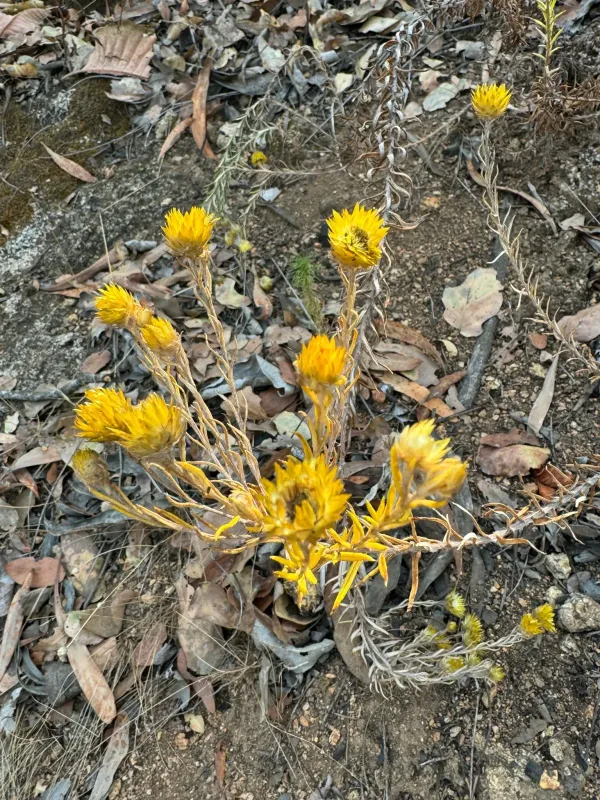
Description
Sowing dates
Helichrysum kirkii is a perennial herbaceous plant belonging to the Asteraceae family. The cultivation process typically starts in a controlled greenhouse environment, which is necessary to ensure successful germination of its small, delicate seeds.
The optimal sowing period is late March. Using a light, well-draining substrate with a neutral pH is essential for developing a strong root system. The seeds should be sown on the surface of the soil and only slightly pressed, as light is a natural trigger for their germination.
Maintaining a stable temperature between 18 and 22 degrees Celsius is crucial during the early stages. The soil should remain consistently moist but not saturated to prevent seedling damping-off, a common issue in early spring production.
Pricking out the seedlings occurs at the two-leaf stage. This procedure helps develop a robust root structure, preparing the young plants for the eventual transplanting into outdoor conditions where they will encounter less stable environments.
Hardening off the seedlings is an essential step before field transplantation. By gradually exposing the young plants to outdoor conditions, they develop resistance to temperature fluctuations and wind, increasing their survival rate in the field.
Growing requirements
Helichrysum kirkii thrives in locations with full sun exposure. It is a heliophilous species that requires intense light for optimal growth and high-quality floral production. Shaded areas lead to weak, elongated stems that lack structural integrity.
The plant requires well-drained, sandy or gravelly soil types. It is highly intolerant of waterlogged conditions, which lead to rapid root decay. If the site has heavy soil, the addition of sand or fine grit is highly recommended to improve drainage.
The culture is inherently drought-resistant once established. During the vegetation phase, irrigation should be strictly managed, providing water only during prolonged dry spells. Over-watering is the most common cause of failure in this species.
Soil nutrient requirements are modest. Excessive nitrogen fertilization should be avoided as it stimulates disproportionate leaf growth, which negatively impacts the plant's natural hardening and reduces its resistance to pests and environmental stress.
Spacing is a vital component of the agrotechnics. Maintaining adequate distance between plants ensures proper airflow, which is critical for reducing humidity levels around the foliage and preventing the development of airborne fungal pathogens.
Main diseases and pests
The primary threats to Helichrysum kirkii are fungal diseases exacerbated by high humidity. Powdery mildew can affect the leaves and stems in stagnant, damp air, making proper ventilation in the field a key preventive measure.
Pests such as aphids and spider mites are common during dry periods. These insects feed on the sap of young tissues, causing deformation and reducing the commercial value of the harvested material. Regular monitoring is essential for control.
Root rot, including Fusarium, can develop if the soil remains wet for extended periods. This is often linked to improper irrigation techniques or the use of heavy, poorly drained soil types, emphasizing the importance of site preparation.
Preventative chemical or biological treatments may be applied early in the season to protect the crop. However, keeping the environment clean and eliminating weeds, which can act as secondary hosts for viruses, is the most effective approach.
In cases of infestation, affected plants should be promptly removed and destroyed to prevent the spread to healthy neighboring plants. Integrated pest management (IPM) practices should be followed to minimize reliance on synthetic pesticides.
Harvesting
Harvesting for the dried flower market should take place when the flowers are in the semi-bud stage. Harvesting too late causes the flowers to lose their shape as the central disc florets open and become over-mature.
The harvest should be performed during dry morning hours, after the dew has evaporated. Wet flower heads are prone to decay and fungal infection, which makes them unsuitable for long-term storage or high-quality floral arrangements.
Drying is performed by hanging small bunches upside down in a dark, airy location. Avoiding direct sunlight during the drying process is critical to preserve the natural pigments and prevent the stems from bending during the dehydration phase.
Once dried, the crop should be stored in a cool, dry place protected from humidity and direct light. Quality control involves removing any damaged stems or discolored florets before packaging the final product for distribution.
Seed harvesting requires allowing the flowers to reach full maturity on the stem. Once the involucral bracts begin to spread, the heads are harvested, dried in containers, and gently threshed to release the seeds for future planting.