
Helichrysum cylindriflorum
Helichrysum cylindriflorum
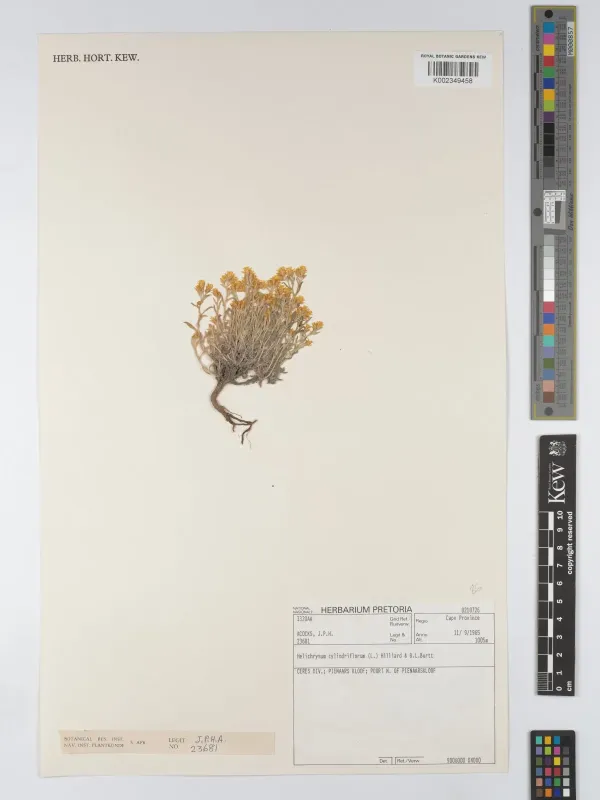
Description
Sowing dates
Sowing of Helichrysum cylindriflorum typically begins in March or April using a controlled environment or greenhouses. This method ensures robust seedling development, protecting the young plants from the risk of late spring frosts.
When sowing directly into the field, it is essential to wait until late May when soil temperatures reach at least 15 degrees Celsius. Seeds should be sown shallowly, ideally at a depth of 0.5 centimeters, as they require light for optimal germination.
Professionals often recommend pre-germinating seeds in a moist environment to ensure more uniform emergence. This stage usually lasts between two to three weeks depending on the consistency of the heat provided during the germination phase.
Once seedlings reach a height of 10 to 12 centimeters, they are ready for transplanting into their permanent locations. Proper plant spacing is crucial to maintain air circulation, which prevents fungal buildup within the canopy.
Since this species thrives in warmth, temporary protective covers are advised immediately following transplanting if weather conditions remain unstable. This practice increases survival rates and promotes quicker root establishment.
Growing requirements
Helichrysum cylindriflorum, a member of the Asteraceae family, is a perennial herb that demands high levels of direct solar radiation. Selecting the most sun-exposed sites is vital for healthy growth and high-quality flower production.
The crop prefers well-drained, light, sandy, or loamy soil profiles. Excellent drainage is non-negotiable, as the plant is highly susceptible to root damage caused by waterlogged soil conditions.
This species is well-known for its drought tolerance, making it suitable for semi-arid agricultural regions. While it survives with little water, consistent moisture during the early vegetative phase is recommended for optimal biomass.
Neutral to slightly acidic soil pH is ideal for the development of strong, durable stems. Growers should avoid high-nitrogen fertilizers, as these promote excessive vegetative growth at the expense of floral structure and color longevity.
Mineral supplementation is most effective when applied twice: once during the peak vegetative stage and again just before the onset of flowering. This nutrient strategy ensures the production of vibrant, high-quality blooms.
Main diseases and pests
The primary threats to Helichrysum cylindriflorum are fungal diseases stemming from poor agricultural management. Root rot is a common issue when soil moisture remains consistently high or when soil structure is overly compact.
Powdery mildew may manifest under conditions of high humidity combined with stagnant air. Management involves proper plant thinning and the application of appropriate fungicides at the first sign of leaf discoloration.
Pests such as aphids and spider mites can infest the delicate tips of the stems, sapping nutrients and reducing the aesthetic value of the flowers. Regular scouting allows for early detection and targeted control measures.
Grey mold can affect the floral heads during prolonged rainy periods. Infected plant material must be removed and destroyed immediately to prevent the spread of fungal spores to healthy sections of the field.
Implementing a strict crop rotation schedule is the most effective preventative measure against soil-borne pathogens. Replanting on the same site should be avoided for at least three to four years to maintain soil health.
Harvesting
Harvesting should be conducted when the floral heads are in the semi-open phase, specifically when the central florets remain closed. This timing is essential for maintaining the structural integrity and aesthetic shape of the dried flowers.
Cutting should take place on clear, sunny days after all morning dew has evaporated. Dry harvesting conditions are critical to ensure that flowers do not rot during the drying process, preserving their commercial value.
The harvested stems should be bundled and hung upside down in a dark, dry, and well-ventilated room. Avoiding direct sunlight during the drying process is mandatory to preserve the natural pigments and prevent bleaching.
Full drying usually occurs over a period of two to three weeks. If handled correctly, the final product retains high rigidity, resists shedding, and maintains its color for several years under normal conditions.
The end-use of this crop is primarily in the floral industry for dried arrangements and interior design applications. Its durability and distinct appearance make it a highly valued commodity for florists and craft businesses.