
Lavender-leaved everlasting
Helichrysum stoechas
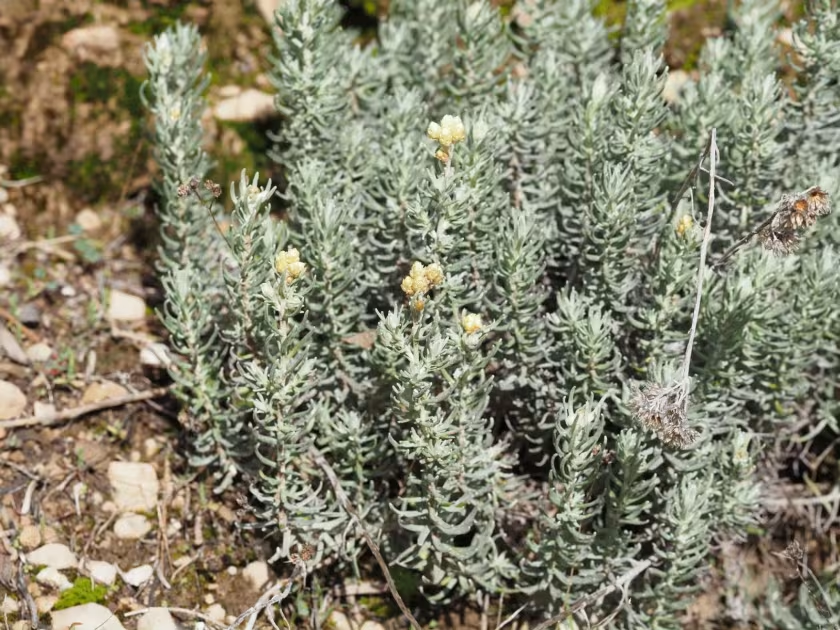
Description
Sowing dates
Sowing of Helichrysum stoechas is primarily done using seedlings to ensure high germination rates and uniform plant establishment. In regions with milder climates, direct seeding into the ground is possible once the soil temperature is consistently above 15 degrees Celsius.
Due to the small size of the seeds, they should be sown shallowly or surface-sown and covered with a light dusting of sand. Maintaining high soil humidity is crucial during the germination phase, which typically takes between two and three weeks.
Once the seedlings develop their first true leaves, they are pricked out to encourage stronger root system development. Transplanting to the permanent site is performed only after all risks of frost have passed to ensure young plants are not damaged.
In large-scale farming, maintaining proper row spacing is vital for plant health. Appropriate spacing improves airflow around the foliage and reduces the pressure from weed competition throughout the growing season.
Crop rotation protocols should be strictly followed, typically allowing for a gap of at least four years before returning the plant to the same plot. This practice helps manage soil-borne pathogen levels and nutrient depletion efficiently.
Growing requirements
The lavender-leaved everlasting is a drought-tolerant species of the Asteraceae family that thrives in Mediterranean-like conditions. It is highly adapted to full sun exposure, which is necessary for the plant to accumulate its distinct essential oils.
The plant performs best in well-drained, nutrient-poor soils. Sandy or rocky substrates that prevent water stagnation are ideal, as the plant is highly sensitive to root rot triggered by prolonged moisture in the soil.
It prefers a climate with high UV intensity and can withstand the harsh conditions of open, exposed hillsides. Its evolutionary adaptations allow it to survive periods of intense heat and lack of rainfall that would be detrimental to other crops.
Soil aeration is a critical management factor. Producers should avoid heavy clay soils that compact easily, as these environments lead to poor root gas exchange and eventually plant failure under standard cultivation practices.
Fertilization should be managed conservatively. High nitrogen levels cause the plant to prioritize vegetative growth over floral production, which is counterproductive for essential oil harvesting; a balanced potassium-phosphorus fertilizer is preferred.
Main diseases and pests
The primary threats to this culture are fungal diseases caused by waterlogged soil conditions, such as Pythium or Phytophthora root rots. Effective drainage systems are the most important preventative measure for any everlasting plantation.
Insects like aphids or spider mites can occasionally affect the plants, especially during dry spells or in greenhouses. Integrated pest management strategies, focusing on biological controls, are generally favored to maintain the quality of the harvested essential oils.
Root-knot nematodes can also be an issue in certain soil types, leading to stunted growth and reduced crop yields. Soil testing and the use of resistant rootstock or crop rotation with non-host plants can mitigate these risks effectively.
Fungal leaf spots may occur if the planting density is too high or if weed management is insufficient, leading to poor canopy ventilation. Maintaining a dry, well-ventilated environment is key to keeping the crop healthy throughout the season.
- Regular inspection for signs of root discoloration.
- Avoidance of overhead irrigation to keep leaves dry.
- Immediate removal of infected plant debris from the field.
Harvesting
Harvesting takes place during the peak of the flowering stage when the concentration of essential oil in the flower heads is at its maximum. Timing is critical to ensure the chemical profile of the oil meets commercial quality standards.
The stems are harvested by cutting the flower-bearing stalks, often utilizing mechanical harvesters in professional settings. Care must be taken to harvest during the driest part of the day, typically after morning dew has fully evaporated.
Immediate post-harvest processing is required to lock in the volatile compounds. Drying should occur in a shaded, well-ventilated space to prevent degradation caused by heat exposure or ultraviolet radiation, which can ruin the oil quality.
The final product quality is defined by the integrity of the dried flower heads and the intensity of their scent. Proper storage conditions involve cool, dry, and dark environments to maintain the crop's medicinal and cosmetic value.
Sustainable harvesting techniques ensure that the plants remain productive for multiple seasons. By not over-harvesting the foliage, farmers can maintain the plant's vigor for future cycles, promoting longevity and higher yields.