
Stinking everlasting
Helichrysum foetidum
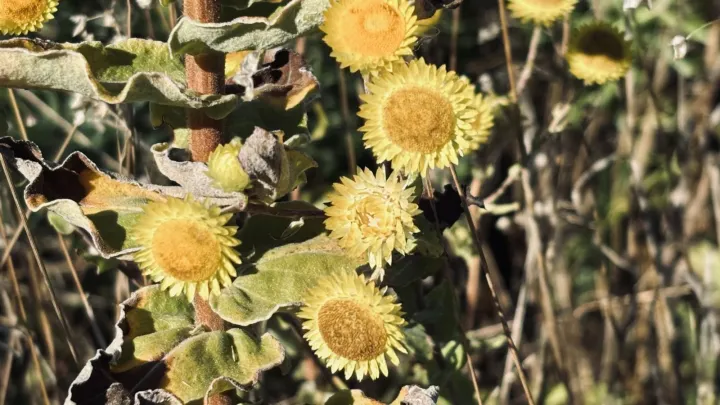
Description
Sowing dates
Sowing of Helichrysum foetidum is performed in the spring when the soil warms up to 12–15°C. Mid-April is typically optimal, allowing seeds to complete their natural stratification period under field conditions.
The seeds of this crop are small, thus requiring shallow sowing, covered only lightly with substrate or sand. To ensure uniform germination, the soil must remain moderately moist for the first two weeks following planting.
When using a seedling method, sowing in protected ground begins in March. Transplanting to the open field is carried out once the danger of late frost has passed, usually in late May or early June.
Row spacing in commercial production should be 45–60 centimeters to ensure adequate aeration. Seeding density is adjusted based on soil fertility and the specific objectives of the cultivation.
Seedlings emerge within 14–20 days. It is critical to manage weed interference during the early growth phases, as young plants are slow-growing and sensitive to competition for nutrients and space.
Growing requirements
Stinking everlasting, a member of the Asteraceae family, is a native of Southern African regions. It thrives in open, sunny locations, as shading causes stem lodging and decreases the concentration of volatile oils.
The crop has moderate soil requirements, performing best in light sandy or loamy soils with a neutral pH. Proper drainage is essential, as the root system is prone to rot in waterlogged conditions.
The plant demonstrates high drought resistance due to its pubescent leaves, which minimize moisture loss. However, for maximum quality yield during the active growth season, consistent moisture levels should be maintained.
The optimal temperature range for development is +18°C to +25°C. The species does not tolerate severe frost, so in temperate climates, it is typically grown as an annual or requires winter protection.
Mineral requirements are modest, yet applying moderate nitrogen-phosphorus fertilizers during early stages enhances the development of a strong leaf rosette and improves overall flower production.
Yield
The primary value of this crop lies in high-quality inflorescences, utilized both in dry form and for essential oil extraction. Yield of green biomass and flowers depends heavily on agronomic standards and sunlight exposure.
With optimal planting density, farmers can expect consistent harvest cycles throughout the growing season. Multiple flower harvests stimulate the plant to produce new buds, thereby extending the productive life of the plot.
The essential oil derived from Helichrysum foetidum is highly valued in the cosmetic industry for its unique scent and regenerative properties. Yield is dependent on the harvest phase, peaking when flower heads are fully open.
The biological characteristics of the plant allow for the production of high-quality raw material that is easily dried. Dried flowers retain their aesthetic appeal and fragrance for extended periods when stored in dark, ventilated areas.
Economic viability is enhanced through the mechanization of harvesting processes and the use of modern drying facilities to prevent the degradation of thermolabile components in the essential oil.
Main diseases and pests
The main threat to stinking everlasting is root rot, occurring when drainage is inadequate, particularly in heavy soils. Fungal infections can spread rapidly in high-density plantings.
In humid conditions, plants may be susceptible to powdery mildew, characterized by a white fungal growth on foliage. Preventive measures include strictly adhering to recommended spacing and removing infected plants immediately.
Aphids and spider mites are the most common pests, feeding on young shoots and flower heads. Using biological insecticides or regular field monitoring is recommended for early detection of pest infestations.
Slugs and snails can cause significant damage to young plants during wet seasons by feeding on succulent leaves. Protection strategies include physical barriers or mulching the soil with materials that discourage pest movement.
Maintaining crop health requires rigorous weed control, as weeds compete for resources and serve as reservoirs for diseases and pests common to many Asteraceae species.
Harvesting
Harvesting should be performed in dry weather when flower buds are in the full-bloom phase. This is when the concentration of biologically active compounds and aromatic substances is at its peak.
Cutting is done manually or using light machinery, harvesting stems approximately 10–15 centimeters long. After harvesting, raw material must be processed immediately to prevent heating and the loss of essential oils.
Drying must take place in the shade with proper ventilation to preserve natural color and scent. Temperatures in drying chambers should not exceed 40°C to ensure the preservation of delicate volatile compounds.
For commercial sale, dried flowers are sorted by head size. Final storage requires craft bags or containers that prevent exposure to sunlight and atmospheric humidity.
Regular harvesting of flowers serves not only as the primary production task but also as an important horticultural practice that prevents the plant from transitioning prematurely to seed production and encourages lateral branching.