
Helichrysum pendulum
Helichrysum pendulum
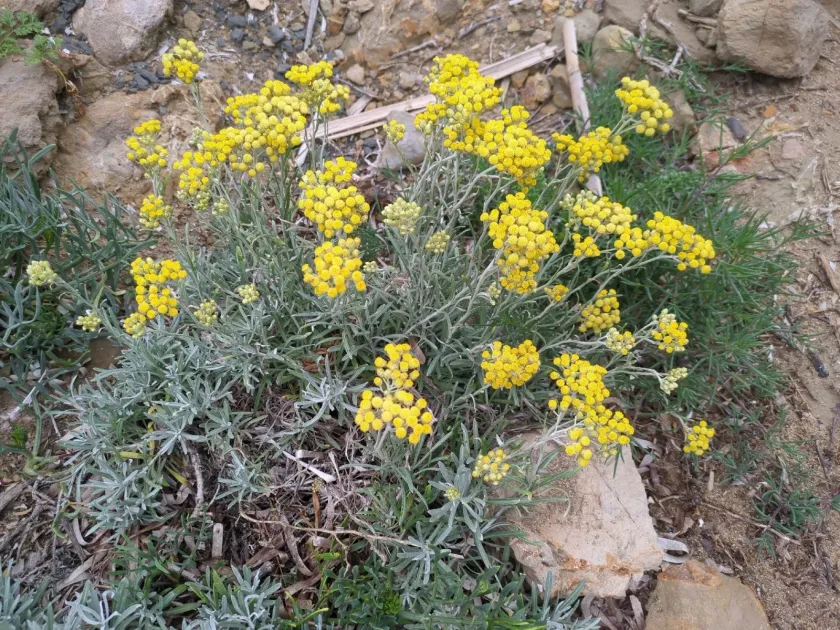
Description
Sowing dates
The sowing of Helichrysum pendulum is typically initiated in spring once the soil temperature consistently reaches 10 to 12 degrees Celsius. Optimal planting occurs from mid-April to early May, depending on the specific climatic zone and current seasonal weather patterns.
As the seeds of this species are remarkably small, surface sowing is mandatory to ensure successful germination. The seeds are lightly distributed over the pre-moistened soil surface and covered only by a thin dusting of substrate or sand to maintain optimal light exposure for the seedlings.
In regions with shorter growing seasons, starting the crop in greenhouse trays during late February is recommended. This nursery method ensures that the plants are sufficiently developed for transplanting into the open field once the danger of late frost has completely passed.
Field spacing is critical for maximizing crop health and air circulation. A standard spacing of 40 to 50 centimeters between rows allows for adequate root development and simplifies maintenance tasks, such as weed control, throughout the growing season.
Direct seeding requires diligent monitoring of moisture levels until the seedlings are firmly established. Once the plants transition to the active vegetative stage, they exhibit robust resilience, but uniform spacing remains key to uniform harvest timing and yield consistency.
Growing requirements
Helichrysum pendulum, a member of the Asteraceae family, is a heliophilic plant that demands full exposure to direct sunlight for optimal growth. High light intensity is essential for the development of its signature durable bracts and overall structural integrity.
The species thrives in well-drained, lightweight soils with a neutral to slightly alkaline pH. Heavy, water-logged soils are detrimental to the plant's delicate root system, often leading to rapid decline; therefore, proper field drainage or raised beds are necessary in prone areas.
Biologically adapted to arid environments, this crop displays significant drought tolerance once established. However, for commercial-scale production aiming for maximum biomass, providing supplemental irrigation during peak growth phases can noticeably improve the quality and quantity of the harvest.
Fertilization requirements are relatively moderate compared to intensive cash crops. Applying a balanced fertilizer rich in phosphorus and potassium promotes structural strength and flower color, while excessive nitrogen should be avoided to prevent leggy, non-productive foliage growth.
The ideal climate for this crop mimics Mediterranean conditions, characterized by temperate springs and warm, dry summers. High humidity levels must be avoided, as this environmental stressor significantly increases the risk of fungal infections and diminishes the crop's commercial value.
Yield
The yield potential of Helichrysum pendulum is largely determined by site selection and the implementation of sound agronomic practices throughout the growth cycle. Productive stands are achieved through strategic management of soil moisture and plant spacing.
The total yield is measured primarily by the quantity and quality of the flower heads. Plants that receive adequate light and have minimal competition from weeds during the early stages of development consistently produce the highest number of saleable bracts.
Routine cultivation tasks, including light soil aeration and weed removal, are essential for maximizing the plant's metabolic output. By reducing energy-consuming competition, the plant directs its resources toward producing high-quality reproductive structures.
Peak production is typically observed during the second year, following successful overwintering and root system expansion. In subsequent years, growers may observe a decline in productivity, necessitating either rejuvenation techniques or a complete replanting of the field area.
Post-harvest evaluation involves sorting the crop by head diameter and color intensity. Effective management practices allow for the recovery of a high percentage of material that meets market standards for both florist-grade dried goods and potential medicinal applications.
Main diseases and pests
Fungal diseases represent the most significant threat to the health of Helichrysum pendulum, particularly during seasons with excessive moisture or poor air movement. Powdery mildew can rapidly spread across leaf surfaces, inhibiting the plant's ability to photosynthesize effectively.
Root rots are frequently associated with water-logged soil conditions or overly frequent irrigation. Prevention is the primary line of defense, achieved through meticulous site drainage and maintaining adequate spacing to facilitate rapid drying after precipitation events.
Common insect pests include aphids and spider mites, which feed on the plant's cellular sap. Infestations can lead to distorted leaf growth and premature flowering, which ultimately compromises the aesthetic and commercial quality of the harvested product.
Integrated pest management strategies are recommended, starting with frequent field inspections to detect early signs of stress or infestation. Targeted applications of biological or chemical controls can be implemented to curb outbreaks before they cause significant economic impact.
Crop rotation remains a fundamental component of the agronomic strategy for this species. Avoiding the cultivation of Helichrysum pendulum on the same site for consecutive years prevents the buildup of soil-borne pathogens and helps maintain long-term field vitality.
Harvesting
The harvest of Helichrysum pendulum should be executed when the flower heads reach the semi-open phase. Harvesting at this stage ensures that the bracts are firm and well-developed, preventing the heads from shattering during the subsequent drying and transport phases.
Harvesting activities must be conducted during dry weather, ideally after morning dew has evaporated. Reducing the moisture content of the plant material prior to the start of the drying process is critical to preventing mold development and ensuring longevity.
Stems are harvested using sharp tools and bundled into manageable bunches. These bunches are hung in a shaded, well-ventilated area to dry, ensuring they remain protected from direct sunlight, which can cause significant color degradation in the final product.
The drying process typically spans 10 to 14 days, resulting in material that is both durable and visually preserved. Properly dried specimens retain their structural integrity and vibrant colors for extended periods without requiring synthetic preservatives.
Once dried, the crop is assessed for quality and sorted accordingly. The final product is then stored in breathable packaging in a cool, dry environment to maintain its marketability for future use in floral design or other decorative applications.