
Helichrysum cymosum
Helichrysum cymosum
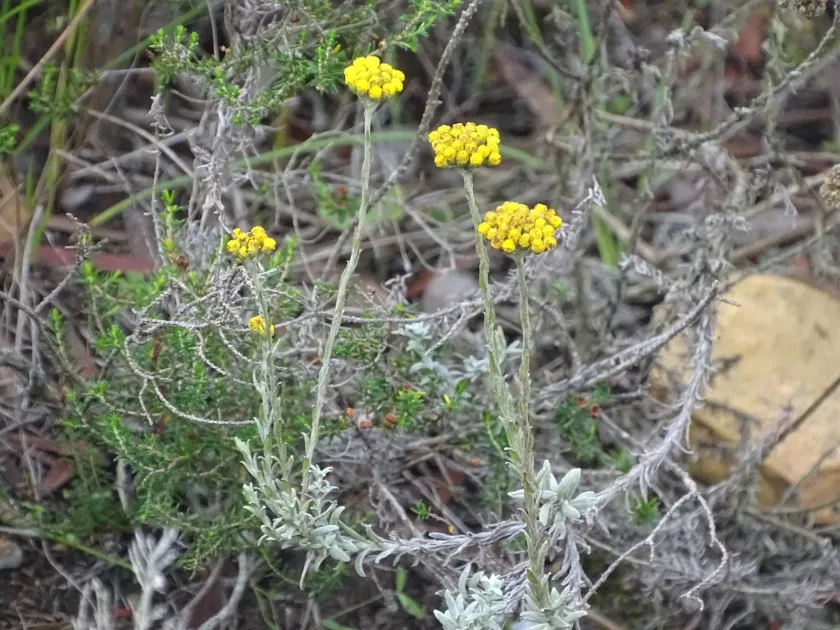
Description
Sowing dates
Helichrysum cymosum is a perennial shrub that is typically propagated through seeds or cuttings within a controlled greenhouse environment. Sowing seeds in late winter ensures that seedlings are robust enough for transplanting as soon as the threat of frost passes.
For optimal germination, a light, well-draining substrate is required. Maintaining a constant temperature of 18–22 degrees Celsius and providing adequate natural light or supplemental grow lights is essential for the healthy development of initial root systems.
Vegetative propagation via cuttings is preferred to ensure clonal consistency. Cuttings are taken during the growing season and placed in a moist, sandy medium under a plastic cover to maintain high humidity levels until roots are firmly established.
Transplanting seedlings to the field should occur only after soil temperatures have warmed and the danger of spring frost has completely subsided. Proper spacing, typically 40–50 centimeters apart, is crucial for air circulation and long-term health.
In subsequent years, maintenance includes spring pruning to stimulate new growth. This agricultural practice keeps the plants compact and improves the overall biomass yield by encouraging dense branching patterns.
Growing requirements
As a member of the Asteraceae family originating from South Africa, Helichrysum cymosum is highly drought-tolerant and thrives in full sun exposure. It requires an open location that receives maximum sunlight throughout the day.
The primary soil requirement is excellent drainage. This plant does not tolerate waterlogged conditions, which can lead to rapid root rot. Sandy, rocky, or well-draining loam soils are ideal for mimicking its natural habitat.
Irrigation should be managed conservatively. Watering is only necessary during prolonged dry spells and should be directed at the base of the plant to keep the foliage dry, which minimizes the risk of fungal infections.
Fertilization needs are relatively low, as the plant is adapted to nutrient-poor soils. Excessive nitrogen applications should be avoided, as they promote leafy growth at the expense of floral development and oil quality.
While the species is hardy in its native regions, in colder climates, it requires protection. Applying a layer of organic mulch around the root zone helps protect the plant from freezing temperatures during the dormant season.
Yield
The economic value of Helichrysum cymosum lies in its biomass, which is utilized for cosmetic and pharmaceutical purposes. Yield is highly dependent on plant maturity and the frequency of pruning, which influences the total volume of foliage and flowers produced.
The harvest of high-quality raw material peaks during the flowering phase. At this time, the concentration of volatile oils and bioactive compounds is at its highest, providing maximum utility for industrial processing.
Typical yields vary based on regional climate and adherence to water management protocols. Proper site preparation and density management are key factors in achieving consistent output throughout the lifecycle of the plantation.
Mechanical harvesting is feasible on large scales, but hand-harvesting is often favored to maintain product purity. Selective gathering ensures that only the most viable plant parts are collected, reducing the need for costly post-harvest sorting.
Post-harvest processing involves rapid drying in shaded, well-ventilated areas. Drying is a critical step that stabilizes the chemical composition of the material, preventing degradation and ensuring a high-quality finished product.
Main diseases and pests
Fungal pathogens are the most common threat, often resulting from excessive humidity or poor soil drainage. Root rot and leaf spots can severely compromise the plant's health if environmental conditions are not strictly monitored.
Powdery mildew may occur when air circulation is restricted. Regular weeding and maintaining adequate space between plants are essential preventative measures to keep the foliage dry and healthy throughout the growing season.
Common pests include aphids and spider mites, which feed on plant sap and can weaken the crop significantly. Early detection through regular crop scouting is vital to prevent these pests from reaching infestation levels.
Biological pest control methods are recommended to manage these threats without compromising the quality of the raw material. Targeted treatments should be applied only when necessary and in accordance with standard organic agricultural practices.
Maintaining a healthy, stress-free environment through proper crop rotation and the use of disease-free propagation stock provides the best natural defense against potential outbreaks on the plantation.
Harvesting
Harvesting usually takes place in mid-summer when the flowers are fully open. The best time for collection is during the morning, once the dew has evaporated, which ensures the plant material is dry and easier to handle.
The upper portions of the stems, including the flower clusters, are harvested using sterilized tools. Leaving the lower stems intact supports the plant's recovery and allows for potential re-growth if the growing season is long enough.
Raw material must be stored in containers that allow for air circulation during transport to prevent overheating or unwanted fermentation. Tight packing must be avoided to maintain the integrity of the collected material.
Sorting should be conducted immediately after harvest to remove any debris or poor-quality parts of the plant. This quality control step is essential for meeting the specific requirements of pharmaceutical and cosmetic manufacturers.
Proper storage involves keeping the dried product in sealed containers within a cool, dark environment. When stored correctly, the dried biomass retains its potency and pharmacological properties for up to two years.