
Helichrysum indicum
Helichrysum indicum
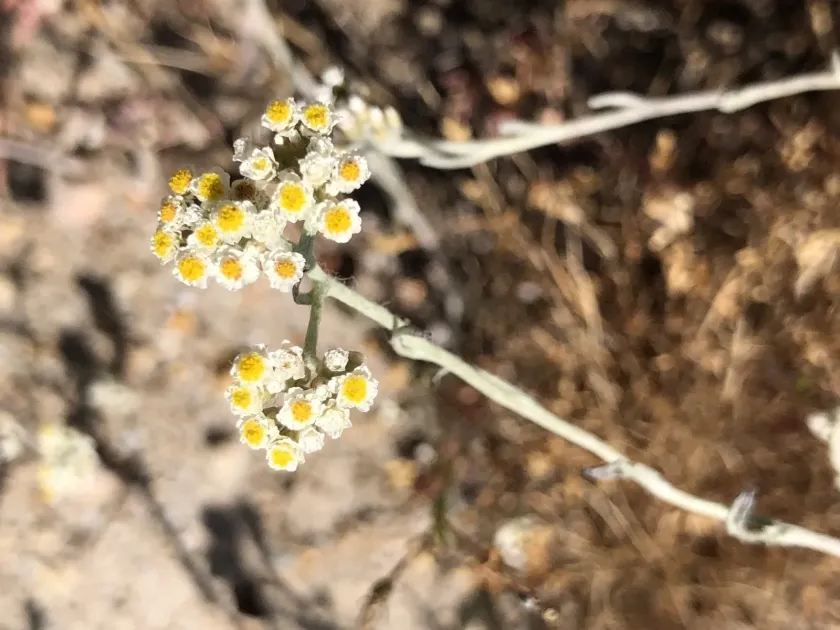
Description
Sowing dates
The cultivation of Helichrysum indicum typically begins with indoor seed sowing in early spring. Seeds should be sown in a well-draining starting mix, keeping the temperature between 18–20 degrees Celsius for optimal germination.
Seedlings usually emerge within two weeks and require bright light to remain compact and healthy. Once the danger of frost has passed, usually by late May, the seedlings are ready to be transplanted into the open garden.
For direct sowing in warmer climates, seeds are surface-sown on fine soil and lightly pressed in. Proper moisture management is crucial during the initial stages, as seeds are prone to desiccation.
The spacing between plants should be approximately 30 centimeters. This density ensures that each plant receives adequate sunlight and ventilation, which are vital for reducing the risk of fungal outbreaks.
Gradual hardening off is a recommended practice before moving greenhouse-grown plants to the field. This prepares them for direct sunlight and fluctuating temperatures, ensuring a higher survival rate during establishment.
Growing requirements
As a member of the Asteraceae family, Helichrysum indicum thrives in full sun exposure. It requires at least six to eight hours of direct sunlight daily to produce high-quality, vibrant flower heads.
The crop prefers well-drained, slightly sandy, or loamy soil. It is notoriously intolerant of waterlogged conditions, which can lead to rapid root decay and plant mortality during the growing season.
Soil pH should remain in the neutral range. While the plant is relatively hardy, it does not require heavy fertilization; in fact, over-fertilizing with nitrogen can negatively impact the floral yield.
Adequate air circulation is essential for the health of the crop. Planting in an open area, away from walls or dense shrubs, helps prevent the buildup of humidity around the foliage.
Regular maintenance involves keeping the beds weed-free. Because the plant has a somewhat shallow root system, shallow cultivation is preferred to avoid disturbing the roots while removing competing vegetation.
Main diseases and pests
Fungal diseases are the primary concern for this crop, especially in areas with high summer rainfall. Powdery mildew can quickly cover the leaves if airflow is restricted and foliage remains damp.
Root rot is the most common cause of crop loss. It is almost exclusively linked to poor drainage or overwatering, making the proper selection of a planting site the most effective preventative measure.
Aphids and spider mites are common pests that tend to cluster on the flower buds and new growth. If left unchecked, these insects can deform the buds, ruining them for aesthetic or commercial use.
Thrips may also cause damage to the flower petals, leading to brown spots that make the dried product less appealing. Monitoring for these pests early in the season is vital for crop quality.
Sanitation practices, such as removing fallen leaves and pruning away infected plant parts, are highly recommended. Maintaining a clean field environment significantly lowers the pressure from common pests.
Harvesting
Harvesting for dried flower production requires precision timing. Flowers must be cut when the central florets are still relatively tight and the outer petals are just starting to fully unfurl.
Stems should be harvested during the mid-morning after the dew has evaporated but before the heat of the day causes stress. This ensures that the plant tissue is at its peak quality for preservation.
Bundles of stems should be hung upside down in a dark, dry, and airy location. Avoiding direct light during the drying process is essential to maintain the natural color of the bracts.
The drying phase usually takes about two to three weeks. Once dried, the stems become rigid and durable, making them an excellent choice for arrangements that need to withstand handling.
The final product is highly sought after for its longevity and aesthetic appeal in bouquets. Properly stored, Helichrysum indicum dried flowers can maintain their vibrant appearance for several seasons.