
Nuratau Immortelle
Helichrysum obconicum
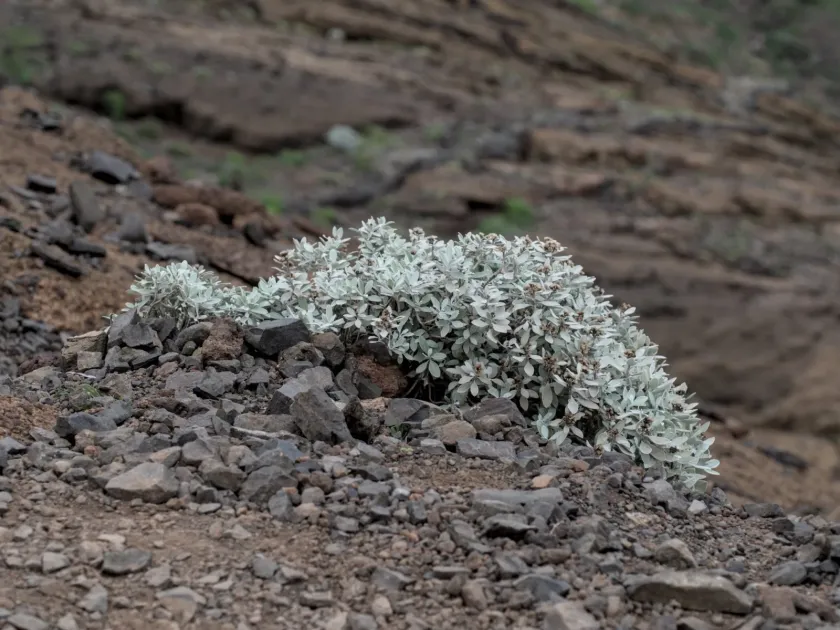
Description
Sowing dates
Sowing Nuratau Immortelle is best performed in early spring when soil temperatures stabilize above 10 degrees Celsius. The seeds are small and require minimal soil coverage to ensure adequate light exposure, which is critical for successful germination.
The seedling method is highly recommended for commercial production to ensure uniform plant density and high survival rates. Transplants should be moved to the field when they have reached the 4-6 true leaf stage and have been properly hardened off.
Row spacing should be maintained at 30–40 cm to prevent overcrowding and to allow for proper mechanical or manual weeding. The germination process typically takes between 14 to 21 days depending on environmental conditions.
Pre-sowing soil preparation should include clearing the area of perennial weeds, as this species develops slowly in its early stages and does not compete well with vigorous grass species.
Using a seed starter mix with high sand content can significantly improve drainage for seedlings, mimicking the natural gritty soil conditions favored by this hardy perennial species.
Growing requirements
Nuratau Immortelle thrives in full sun, requiring exposure to direct sunlight for the majority of the day to maintain its compact growth habit and potency. Low light levels lead to etiolated stems and diminished oil content.
The species is native to mountainous regions and prefers well-drained, nutrient-poor, rocky, or sandy soils. Soil acidity should be neutral to slightly alkaline for optimal nutrient uptake and root health.
This crop is exceptionally drought-tolerant once established, requiring only minimal supplemental irrigation during prolonged dry spells. Excessive soil moisture or poor drainage will almost certainly result in root rot.
Temperature fluctuations are well-tolerated, as the plant is adapted to the harsh, high-altitude climates of its native range. A daytime temperature range of 20–30 degrees Celsius promotes vigorous flowering.
Wind exposure is generally not a limiting factor, provided the soil is well-anchored and the plants are not subject to excessive moisture accumulation, which can cause lodging in very damp, windless conditions.
Main diseases and pests
The primary threat to Helichrysum obconicum is fungal pathogen infection, specifically root rot, induced by waterlogged soil conditions. Proper site selection and drainage management are the most effective preventative measures.
Pests such as aphids and spider mites can occasionally affect the foliage and flower buds during the peak growing season. Integrated pest management, including natural predators, is preferred over chemical interventions for this crop.
Powdery mildew may occur if planting density is too high, leading to stagnant air around the plants. Regular thinning of established plants helps maintain the necessary airflow to prevent fungal proliferation.
Viral pathogens may be transmitted by sucking insects, requiring a rigorous monitoring program to remove infected specimens promptly. Cleanliness of pruning equipment is essential to stop the spread of plant-to-plant infections.
Monitoring the undersides of leaves and the root zone for early signs of stress is vital, as early detection allows for corrective action before the plant suffers permanent damage or death.
Harvesting
Harvesting should occur when the flower heads are fully formed but still tightly closed. Harvesting at the peak of the flowering phase ensures the highest concentration of volatile oils and maintains the best color for drying.
Cut the stems during the morning hours once the dew has evaporated. Using sanitized, sharp shears ensures a clean cut, which prevents damage to the crown and promotes faster recovery for potential secondary flushes.
Drying must be conducted in a dark, cool, and well-ventilated area by hanging the harvested bunches upside down. This method helps the stems remain straight and the flowers maintain their aesthetic appeal.
Once completely dry, the material should be stored in paper bags away from direct light and moisture to prevent degradation. Proper handling during the storage phase preserves the natural color and scent of the immortelle.
Productivity is managed by selecting high-quality seeds and maintaining soil health. With proper post-harvest processing, the final product remains durable and retains its market value for an extended period.