
Sibthorp's everlasting
Helichrysum sibthorpii
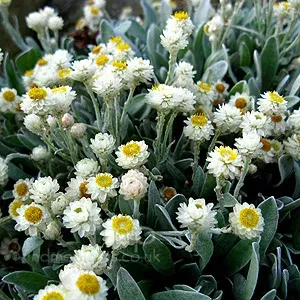
Description
Sowing dates
Sowing Helichrysum sibthorpii is typically performed indoors or in greenhouses during late winter or early spring. The seeds are exceptionally small and require surface sowing, as they need exposure to light to trigger the germination process.
Maintaining a steady temperature of approximately 20–22 degrees Celsius is essential for high germination rates. Keeping the substrate consistently moist but not waterlogged is critical during this sensitive phase of plant development.
Seedlings should be hardened off before transplantation to ensure they can withstand outdoor conditions. This process involves gradually introducing the plants to lower temperatures and increased light intensity over a period of two weeks.
Transplanting into the garden occurs after the risk of frost has completely passed. Plants are spaced about 25–30 centimeters apart to provide adequate airflow, which is a key factor in preventing fungal infections.
As a member of the Asteraceae family, the plant possesses a resilient nature, characterized by silver-hued foliage that serves as an adaptation to its native rocky habitats in the Mediterranean region.
Growing requirements
This species requires full sun exposure to flourish and maintain its decorative silver foliage. Planting in shaded areas will invariably lead to weak, elongated stems and a significant reduction in flower production.
Soil drainage is the most critical requirement for the successful cultivation of Sibthorp's everlasting. It prefers sandy or gritty substrates that allow water to pass through quickly, preventing the risk of root rot which is common in stagnant conditions.
The plant is highly drought-tolerant once established, requiring minimal irrigation. During the summer heat, infrequent deep watering is more beneficial than frequent shallow watering, as it encourages deeper root system development.
Fertilization should be handled with caution. High levels of nitrogenous fertilizers are detrimental, as they promote excessive vegetative growth and make the plant more susceptible to diseases and lodging during heavy rain.
Maintenance involves routine weeding and light hoeing around the base of the plant. Ensuring the surrounding area is free of competing weeds helps the plant receive maximum light and air circulation, vital for healthy growth.
Main diseases and pests
The primary threats to this culture are fungal diseases, particularly Botrytis and root rots caused by excessive soil moisture and poor ventilation. Keeping the foliage dry is a priority for disease prevention.
Aphids can occasionally infest the growing tips during the early stages of development. Regular scouting of the plantation allows for early intervention, often using mild insecticidal soaps or biological controls.
Slugs and snails may cause damage to young seedlings after transplantation. Protective barriers or organic bait can be used to mitigate these risks without harming the beneficial insects present in the garden.
Fungal issues like powdery mildew can appear in regions with high humidity. Proper spacing and selecting a site with high wind movement are the most effective preventive measures against these common pathogens.
Monitoring the plants throughout the season is essential for early detection of any health issues. Prompt removal of damaged or infected plant parts helps prevent the spread of diseases within the crop population.
Harvesting
The harvest of the flower heads is performed when they are still in the bud stage or just beginning to open. This timing is crucial to ensure that the petals remain tight and retain their structural integrity after drying.
Harvesting should occur during the morning, once the dew has fully evaporated from the stems. This prevents moisture-related rot during the subsequent indoor drying process, ensuring a high-quality final product.
Bundles should be dried in a dark, well-ventilated area, hanging upside down. Exposure to direct sunlight during drying will cause the pigments to fade, reducing the commercial value of the flowers.
Dried flowers serve as a staple in the craft and floral design industry. Their ability to maintain their form and color for years makes them a highly sought-after material for interior decoration and winter bouquets.
Sustainable harvesting practices ensure the longevity of the plant beds. By not over-harvesting from a single plant, the perennial root system remains strong, allowing for repeated harvests in following seasons.