
Astragalus cruciatus
Astragalus cruciatus
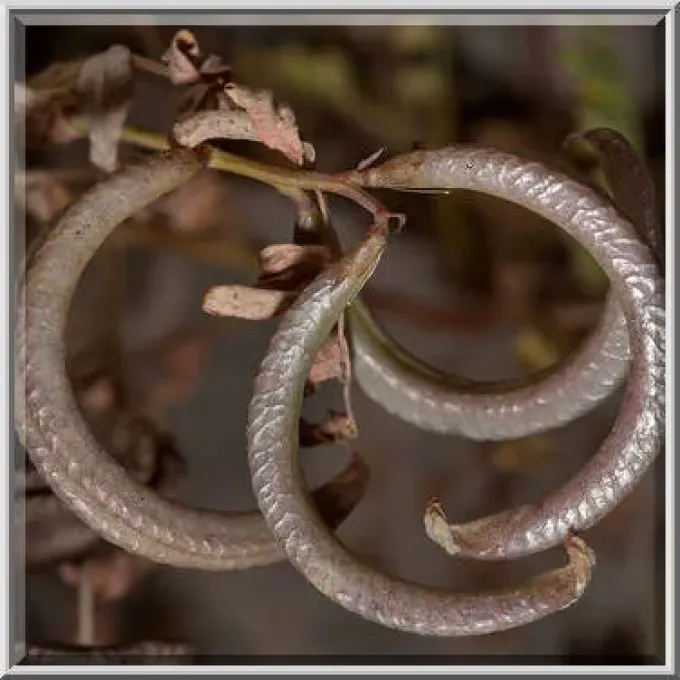
Description
Growing requirements
Astragalus cruciatus belongs to the diverse Fabaceae family, which is known for its nitrogen-fixing capabilities and ecological significance. As a drought-tolerant legume, it serves as a robust component in arid region agriculture.
Originating from Mediterranean and Central Asian regions, the species is perfectly adapted to dry habitats and poor, stony soils. Its biological architecture allows it to thrive in environments where most traditional crops would fail.
The plant requires full sun exposure and well-drained substrate to perform optimally. It shows great resilience against high temperatures, making it a sustainable choice for restoration projects in desertified areas.
Regarding soil requirements, Astragalus cruciatus prefers neutral to alkaline soil types. It is essential to avoid sites with high water tables or heavy clay, as these conditions increase the risk of root rot and pathogen colonization.
The cultural practice should focus on minimal soil disturbance to preserve the mycorrhizal network associated with the plant. Proper spacing is necessary to ensure adequate ventilation, which significantly reduces the pressure from environmental stressors.
Main diseases and pests
The main phytopathological threat to Astragalus cruciatus is root rot, typically caused by soil-borne pathogens. This is usually triggered by waterlogging, which hampers root respiration and encourages fungal development.
Insect pests, such as various species of weevils (Curculionidae), represent a major threat to the foliage and seeds. These pests can significantly reduce the potential yield if left unmanaged during the flowering phase.
Integrated Pest Management (IPM) strategies are recommended to maintain field health. This includes the use of biological control agents and scheduled field inspections to detect early signs of infestation before they spread.
Weed competition is particularly critical during the seedling stage. Since Astragalus cruciatus has a relatively slow early growth rate, manual or mechanical weeding is highly recommended to eliminate competition for nutrients.
Providing optimal nutrition, particularly phosphorus and potassium, helps strengthen cell walls. Healthy, well-nourished plants show higher resistance to both biotic and abiotic threats compared to neglected crops.