
Astragalus massiliensis
Astragalus massiliensis
Description
Growing requirements
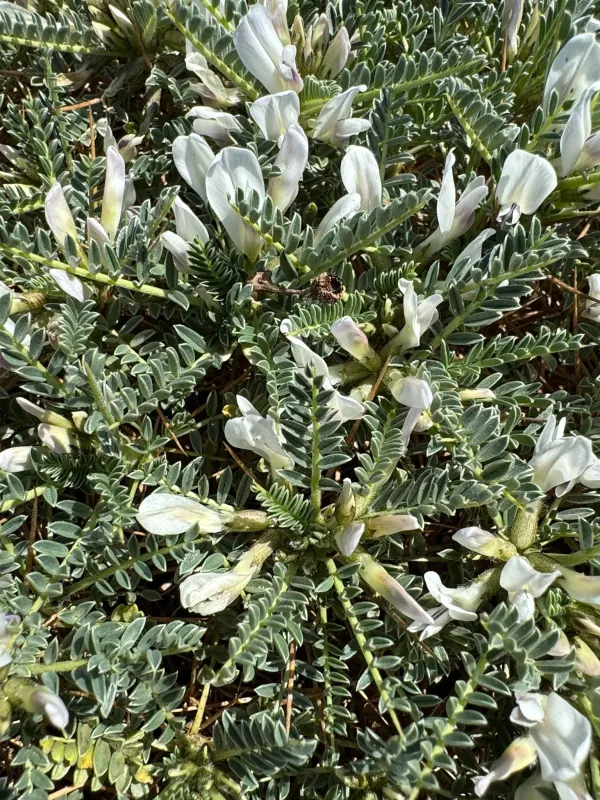
Astragalus massiliensis is a perennial subshrub belonging to the Fabaceae family. It is widely recognized for its distinctive cushion-like habit, which acts as a protective shield for the plant's delicate stems and flowers against harsh environmental conditions.
Native to the Mediterranean region, this species has evolved to thrive in coastal areas characterized by stony soils and intensive solar radiation. Its natural distribution is largely concentrated in southern Europe, particularly along rocky cliffs and degraded slopes.
The species is highly tolerant of drought, thanks to its extensive and robust root system. It thrives in well-drained, nutrient-poor soils where competitive pressure from more demanding plants is limited, making it a specialist of xerophytic environments.
Temperature requirements for this crop are strictly Mediterranean. It requires warm, dry summers and mild winters to maintain its physiological functions. Exposure to extreme frost, combined with soil moisture, is often fatal for established cushions.
Economically, the plant is primarily valued for its role in soil stabilization. Its ability to create a dense canopy and deep root structure makes it an excellent candidate for ecological restoration projects focused on preventing erosion on steep, arid hillsides.
Main diseases and pests
Root rot remains the most significant threat to Astragalus massiliensis. As a species adapted to dry conditions, it possesses little resistance to waterlogging, which facilitates the rapid spread of pathogenic fungi within the root zone.
Insect pests, particularly seed-feeding beetles, pose a major challenge to natural regeneration. These pests can significantly impact seed yield, making it difficult for populations to expand without human intervention in nurseries.
Fungal leaf diseases can also affect the vitality of the plant during periods of high humidity or poor air circulation. Symptoms often manifest as discolored patches on the foliage, which can eventually lead to tissue necrosis if not treated.
Mechanical damage from grazing animals is another critical threat. While the plant's thorny structure provides some protection, persistent trampling can break the structural integrity of the cushion, exposing inner stems to desiccation.
Integrated pest management strategies for this culture emphasize the importance of site selection and spacing. By ensuring optimal airflow around each plant, growers can effectively reduce the risk of pathogen outbreaks and maintain plant health.