
Helichrysum albobrunneum
Helichrysum albobrunneum
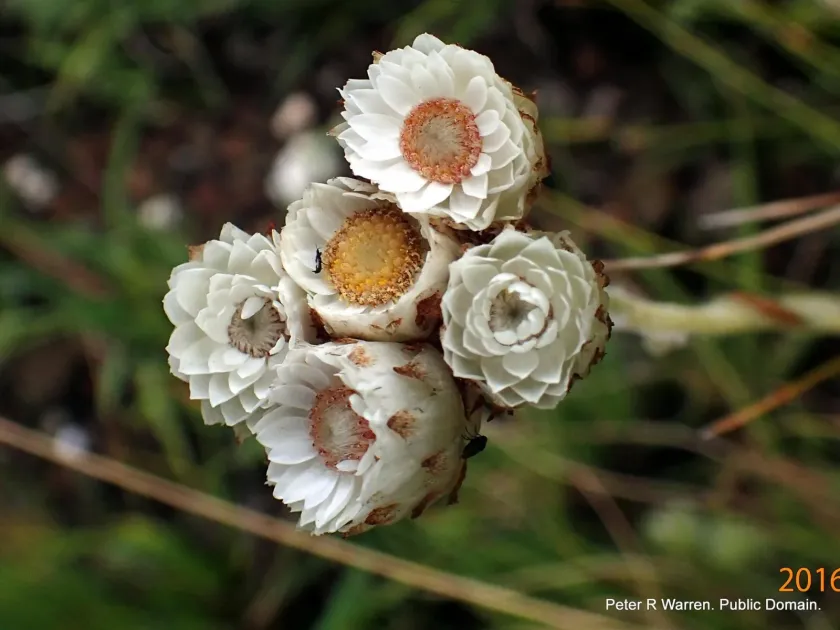
Description
Sowing dates
Helichrysum albobrunneum, a member of the Asteraceae family, is a distinct species valued primarily for its longevity as a decorative dried flower.
Propagation is usually done by seeds, which should be sown indoors in late winter to ensure a long growing season for the plants before they reach maturity.
Seeds are tiny and require a light covering of soil or vermiculite, and they need a consistent temperature of about 20 degrees Celsius to germinate properly.
Transplanting seedlings to the field occurs after the danger of frost has passed, usually once the soil has warmed significantly in late spring.
Proper plant spacing is essential, as adequate air circulation helps prevent moisture buildup around the base of the plant, which is crucial for healthy development.
Growing requirements
This crop thrives in full sun exposure, requiring at least six to eight hours of direct sunlight daily to produce high-quality, vibrant flower heads.
Soil requirements focus on excellent drainage; sandy or rocky soils are ideal, as the plant is susceptible to root rot when exposed to waterlogged conditions.
The plant demonstrates high tolerance for heat and dry spells, making it a robust choice for regions with limited rainfall or hot summers.
Fertilization should be moderate, as excessive nitrogen often promotes excessive foliage growth at the expense of the desired floral output.
Maintenance of a neutral to slightly acidic pH level in the soil is recommended to maximize nutrient uptake and ensure the plant's overall health and vigor.
Main diseases and pests
The primary agricultural threat to this species is fungal root rot, usually caused by poor drainage or excessive irrigation during cool periods.
Aphids are the most common pest, often colonizing the tender parts of the plant and necessitating early intervention to prevent plant stress.
Powdery mildew may manifest if plants are crowded, as stagnant air between leaves provides a perfect breeding ground for these common fungal pathogens.
Slugs and snails can cause damage to younger seedlings in the early weeks, requiring integrated pest management strategies to protect the crop.
Vigilance during the growing season is the best strategy, as early detection of disease or pest symptoms is key to managing a successful harvest.
Harvesting
Harvesting is a delicate process performed just as the flowers start to open; waiting too long can result in the flower heads becoming too fluffy.
Immediately after cutting, the stems should be bundled and hung upside down in a shaded, dry area with good airflow to promote uniform drying.
The drying process typically takes several weeks, resulting in flowers that retain their natural color and shape for a very long period, even in dry storage.
Properly cured specimens of Helichrysum albobrunneum are highly sought after by florists for their structural integrity and unique color palette.
Avoid exposing dried bundles to direct light, which can cause the pigments to fade significantly and reduce the decorative value of the harvest.