
Helichrysum glomeratum
Helichrysum glomeratum
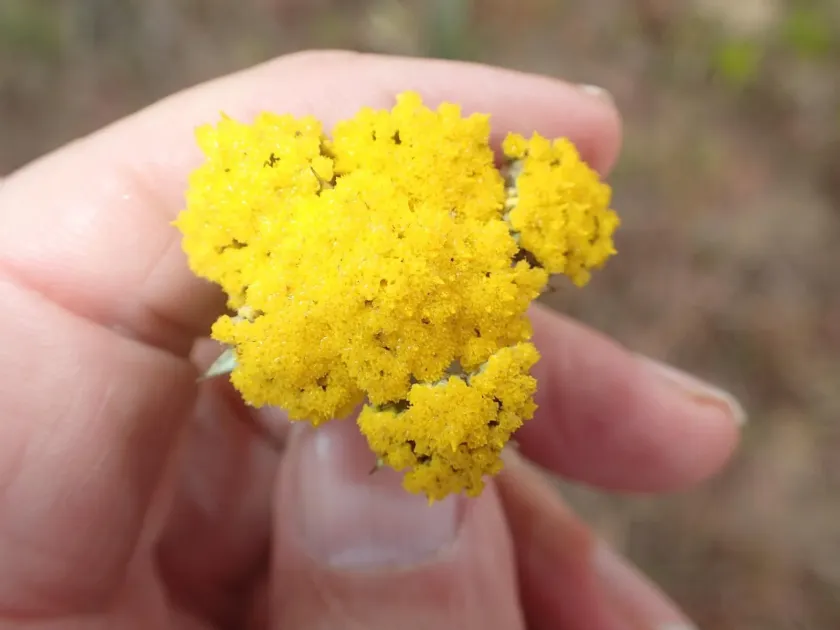
Description
Sowing dates
Helichrysum glomeratum belongs to the Asteraceae family and is recognized for its durability and aesthetic value. Sowing typically begins in early spring, utilizing indoor trays to start seedlings before the final frost.
Seeds are small and should be sown on the surface of a well-draining, sterile potting mix, requiring light for germination, which usually occurs within two to three weeks under consistent temperatures.
Once seedlings develop their first true leaves, they should be hardened off before transplanting into the field to ensure they adapt to ambient temperatures and light levels.
Field spacing is crucial for preventing fungal outbreaks, with a recommended distance of at least 30 centimeters between individual plants to promote adequate airflow.
Regular monitoring of moisture levels during the early seedling stage is essential to ensure uniform establishment across the cultivated area.
Growing requirements
This species thrives in full sun, demanding at least six to eight hours of direct light daily to produce high-quality blooms suitable for commercial use.
Soil requirements focus on excellent drainage; light, sandy or gravelly loam soils are preferred to avoid waterlogging, which is a major limiting factor for this crop.
While Helichrysum glomeratum is drought-tolerant once established, it benefits from moderate irrigation during peak growth stages to maintain vibrant coloration.
Excessive fertilization should be avoided, particularly nitrogen, as it promotes leafy growth at the expense of floral production and stalk strength.
The crop prefers neutral to slightly acidic soil conditions and does not require extensive soil amendments, making it relatively low-input in terms of nutrient management.
Main diseases and pests
The primary threats to this crop include root rot and mildew, which often occur in high-humidity climates or fields with poor soil drainage characteristics.
Aphids and mites are the most common insect pests, capable of causing significant damage to the floral buds and hindering plant development if left uncontrolled.
Regular field inspections and the removal of infected plant debris are essential integrated pest management practices to prevent the spread of soil-borne pathogens.
Proactive weed management is necessary, as weeds compete for nutrients and light while also harboring insect populations that target the flower crops.
Fungicide application should be targeted and limited to periods of high infection risk to maintain the quality of the raw floral material.
Harvesting
Harvesting is performed by cutting the stems just as the flowers begin to open but before the centers become fully exposed or lose their shape.
It is vital to harvest on dry, sunny days to ensure that no surface moisture is trapped, which is essential to prevent mold during the drying process.
Stems should be bundled in small bunches and hung upside down in a dark, well-ventilated location to preserve the natural color and texture of the blossoms.
Drying in low-light environments is critical, as direct UV exposure will rapidly fade the colors and reduce the market value of the dried product.
Effective post-harvest handling includes storing the dried product in a cool, moisture-controlled area until it is ready for packing or sale.