
Helichrysum rugulosum
Helichrysum rugulosum
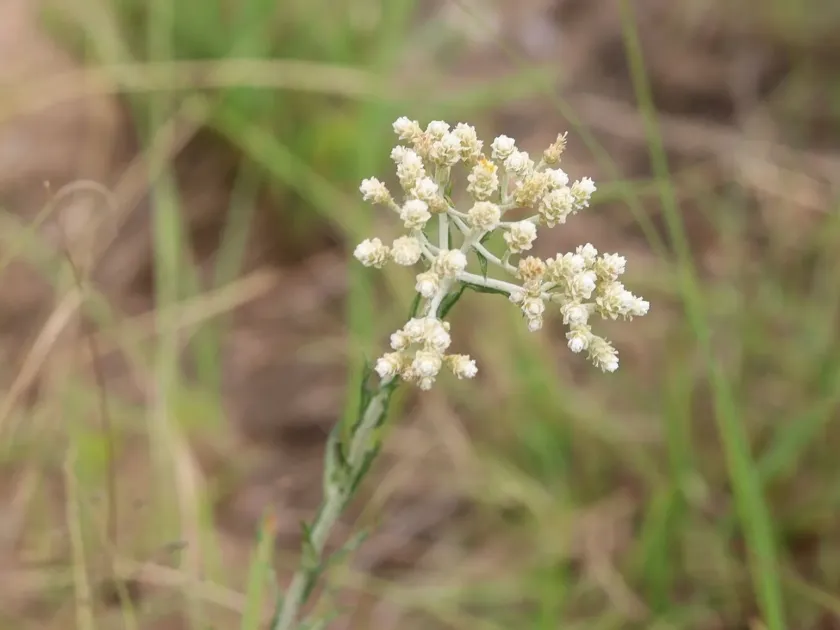
Description
Growing requirements
Helichrysum rugulosum belongs to the Asteraceae family and is a perennial herbaceous plant native to southern Africa. It is highly valued for its resilience and adaptability to dry, sunny environments, making it a distinct crop for arid land usage.
This species requires well-drained, sandy or loamy soils with a neutral pH level. Proper aeration is crucial, as the root system is susceptible to decay when exposed to waterlogged conditions, which can be mitigated by ensuring the planting area is properly graded.
The plant thrives in warm climates with high levels of sunlight. While it is remarkably drought-tolerant, supplemental irrigation during the initial establishment phase promotes stronger development of the root system and increases overall biomass production.
Cultivation practices involve regular weed control to prevent competition for nutrients and moisture. Spacing should be managed carefully to ensure sufficient air circulation around the plants, which reduces the risk of leaf infections.
The main commercial utility of Helichrysum rugulosum is as an ornamental dried flower crop. Furthermore, its leaves and flowers are frequently researched for chemical properties, specifically in the production of essential oils and traditional botanical preparations.
Main diseases and pests
The primary threats include soil-borne fungal pathogens such as Pythium and Phytophthora, especially if the soil drainage is inadequate. Root rot is the most common cause of crop failure in poorly managed fields.
Pest issues include infestations of aphids and spider mites, which can cause significant damage to the floral heads and foliage. Integrated pest management (IPM) strategies, including biological control, are recommended to maintain high yield quality without excessive chemical usage.