
Helichrysum pandurifolium
Helichrysum pandurifolium
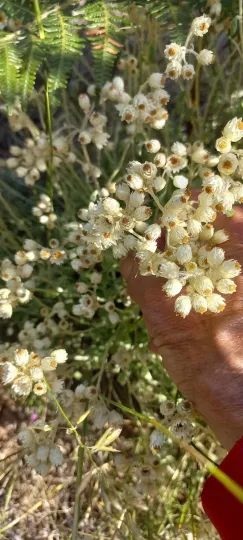
Description
Growing requirements
Helichrysum pandurifolium is a distinctive plant species belonging to the Asteraceae family. Originating from the diverse landscapes of Southern Africa, it has adapted to harsh environmental conditions, making it a robust candidate for specific agricultural and ornamental applications.
Botanically, this species is recognized by its fiddle-shaped foliage and the fine, felt-like hairs covering its stems and leaves. These physical characteristics serve as an evolutionary adaptation to minimize water loss, allowing the plant to thrive in sun-exposed and arid environments.
When cultivating this crop, soil drainage is the most critical factor. It requires a substrate with excellent permeability, typically sandy or rocky soil compositions. Heavy or clay-based soils should be avoided, as the plant is highly susceptible to root damage caused by stagnant water conditions.
The climate requirements include a need for high light intensity throughout the vegetative cycle. While it is naturally hardy in its native habitat, in colder regions, it requires protection or indoor cultivation during the winter months, as it does not withstand prolonged frost or high humidity levels.
Regarding хозяйственное use, Helichrysum pandurifolium is highly valued in the dried flower market. Its unique structure and ability to retain its form and color after harvest make it an excellent choice for floral arrangements and interior design elements.
Main diseases and pests
The primary threats to Helichrysum pandurifolium are related to fungal pathogens, particularly in environments with poor ventilation. Root rot is a common issue if soil moisture management is not strictly regulated, often leading to rapid decline during wet seasons.
Pests such as aphids and spider mites are known to infest the crop. Aphids tend to concentrate on tender new growth, whereas spider mites thrive under dry, hot conditions, potentially affecting the overall vigor and aesthetic quality of the foliage.
Powdery mildew represents a significant risk when ambient humidity increases. Ensuring sufficient spacing between individual plants is an essential agronomic practice to promote air circulation and reduce the buildup of spores that trigger these infections.
Phytophthora and other soil-borne diseases can occur if the growing medium remains saturated. Integrated pest management strategies, including the use of fungicides and ensuring high-quality drainage systems, are recommended to maintain healthy crop yields.
Field hygiene is essential for this species. Removing crop debris and maintaining clean tools significantly lowers the risk of disease transmission. Proper monitoring and early intervention are keys to successful cultivation and high-quality floral production.