
Helenium bolanderi
Helenium bolanderi
Description
Sowing dates
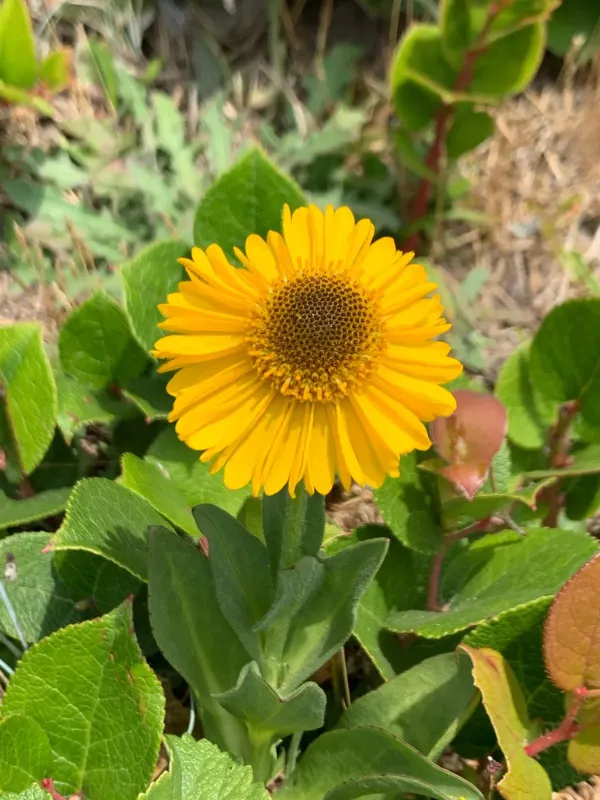
Helenium bolanderi is a perennial herbaceous plant belonging to the Asteraceae family. Native to the coastal regions of California, this species is highly valued in horticulture for its vibrant, daisy-like flowers and its ability to thrive in various garden settings.
Propagation is typically achieved through seeds or by division of established clumps. Sowing seeds indoors in late winter allows for an earlier start, ensuring that seedlings are robust and ready for transplanting once the spring frosts have passed.
When sowing in trays, use a well-draining soil mix and maintain a consistent temperature of around 20 degrees Celsius. Ensure the containers receive bright, indirect light to support healthy seedling development and prevent the stems from becoming leggy.
Direct sowing into the garden bed can be performed in late spring once the soil has warmed sufficiently. If sowing outdoors, ensure that the seeds are covered lightly with soil and kept consistently moist until germination is complete.
For established plants, division is the preferred method for maintenance. Digging up and splitting the rootstock every few years prevents overcrowding and maintains the vigor of the plant, ensuring consistent blooming cycles.
Growing requirements
Helenium bolanderi thrives in full sun, requiring at least six hours of direct sunlight per day. Adequate exposure is essential for the plant to produce its characteristic abundant, long-lasting flowers and maintain a strong, upright growth habit.
The plant requires well-draining, fertile soil that is kept consistently moist throughout the growing season. While it can adapt to various soil types, it performs best in loam or sandy-loam soils enriched with organic matter.
Moisture management is critical; the plant is sensitive to prolonged drought, which can lead to stress and reduced flowering. Regular irrigation is necessary, particularly during hot, dry spells, to maintain the soil's moisture balance.
Mulching the base of the plant with organic material such as bark or compost helps retain soil moisture and suppresses weed growth. Additionally, a balanced fertilizer applied in early spring supports healthy foliage and flower development.
In regions with harsh winters, providing a layer of mulch around the crown can protect the roots from extreme temperature fluctuations. The plant is generally hardy but benefits from a dormant period after the stems are cut back in the fall.
Main diseases and pests
Powdery mildew is the most common fungal disease affecting Helenium bolanderi, especially in high-humidity conditions. Providing adequate space between plants and ensuring good airflow are key preventative measures to mitigate this risk.
Pests such as aphids and spider mites can occasionally target the succulent young shoots and flower buds. Monitoring plants closely allows for early intervention, often manageable through the application of insecticidal soaps or neem oil.
Root rot, caused by waterlogged soil, can severely damage the plant's health. To avoid this, it is essential to ensure that the planting site has excellent drainage and that the plant is not sitting in standing water after irrigation.
Leaf-chewing insects might occasionally cause aesthetic damage to the foliage. If damage becomes significant, utilizing targeted biological controls is recommended to maintain the ecological balance of the garden.
Good sanitation practices, such as removing debris and dead foliage at the end of the season, significantly reduce the pressure from pathogens and pests for the following year's growth cycle.