
Helichrysum heliotropifolium
Helichrysum heliotropifolium
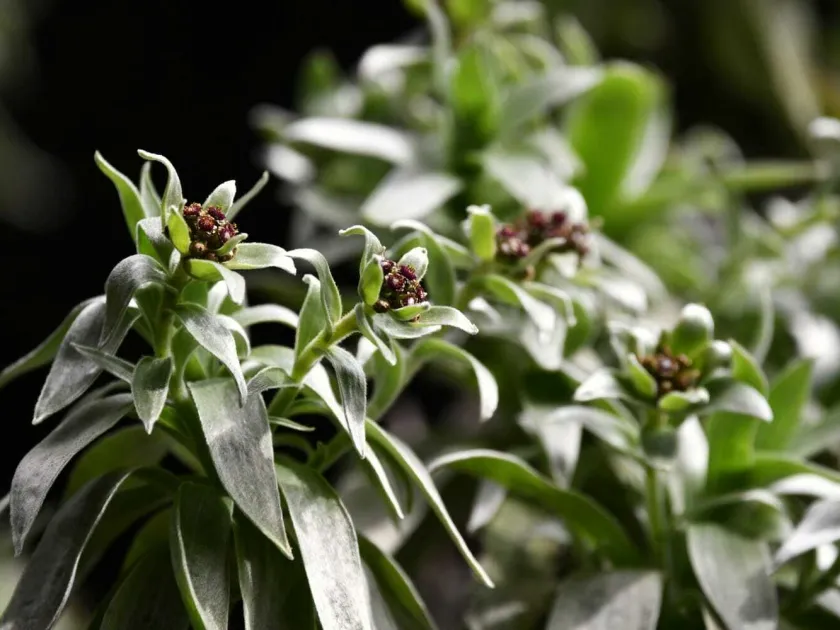
Description
Growing requirements
Helichrysum heliotropifolium is a perennial herbaceous plant belonging to the Asteraceae family. It is known for its distinct botanical features and its classification as a drought-tolerant crop suitable for arid and semi-arid regions.
The plant originates from Southern Africa, where it thrives in rocky terrain and well-drained soils. Its evolutionary development in such harsh environments makes it an excellent candidate for sustainable agriculture in specific climates.
For successful cultivation, soil requirements focus primarily on drainage. The species cannot survive in waterlogged conditions and prefers substrates with high mineral content and low nutrient density to avoid excessive vegetative growth.
Temperature management is critical, as the plant is not frost-hardy. It requires high light intensity and temperatures consistent with warm temperate or tropical conditions to achieve optimal physiological development.
Agricultural management should prioritize minimal watering schedules and weed control. Since the plant is naturally adapted to poor soils, intensive fertilization with synthetic nitrogen is usually counterproductive.
Harvesting
The harvest of Helichrysum heliotropifolium targets the floral heads, which are collected when they are at the prime developmental stage to preserve their aromatic and medicinal properties.
Mechanical or manual harvesting methods depend on the scale of production. The most common practice is harvesting by hand to ensure only the highest quality flower heads are gathered for commercial use.
Applications range from pharmaceutical extraction, where its active compounds are highly valued, to the ornamental market, where it is sold as a durable and aesthetic dried flower.
Post-harvest processing involves air-drying in shaded, airy environments to retain the plant's natural silver-grey foliage and colorful flower bracts.
Correct storage is essential to prevent degradation. The dried material should be kept in cool, dark, and moisture-free conditions to ensure long-term stability of its volatile oils.