
Helichrysum crassifolium
Helichrysum crassifolium
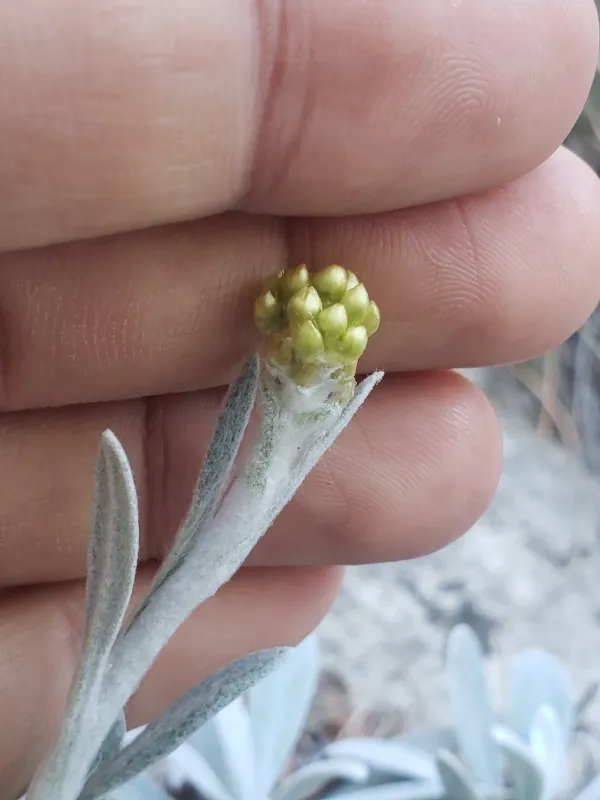
Description
Sowing dates
The sowing of Helichrysum crassifolium is recommended during the spring months once soil temperatures reach 10–12 degrees Celsius. Seeds generally show good viability when sown in a well-prepared, loose substrate.
For commercial agricultural purposes, using the seedling method is highly advised. This practice helps ensure uniform establishment and protects young plants from potential environmental stress during the early stages of growth.
When direct seeding in the field, it is crucial to achieve a fine soil structure with a seed depth of no more than 1–2 centimeters. Lightly rolling the surface after sowing is effective for optimal seed-to-soil contact.
Plant density should be adjusted based on the specific end-use of the crop. Standard row spacing of 45 to 60 centimeters is recommended to facilitate efficient mechanical inter-row cultivation and maintenance.
Belonging to the Asteraceae family, this perennial subshrub is biologically resilient. With correct crop rotation and site selection, it can produce stable yields over several consecutive growing seasons.
Growing requirements
Helichrysum crassifolium is a xerophytic plant that thrives in high-light environments. It requires full solar exposure to maximize the accumulation of secondary metabolites and essential oils in its tissues.
Well-draining, light, sandy, or rocky soils are essential for success. Poorly drained, heavy soils often lead to root rot, which is the primary cause of plant failure in professional cultivation settings.
While the species is drought-tolerant, supplemental irrigation during critical growth stages significantly enhances total biomass production. However, it is vital to avoid excessive moisture at the root zone.
Neutral to slightly alkaline soil pH is optimal. High calcium levels in the soil are particularly beneficial, as they support the development of the dense, silvery-white pubescence characteristic of the plant.
The plant is sufficiently cold-hardy, but it is highly sensitive to winter waterlogging. Ensuring that the site has a natural slope or drainage system is critical for long-term survival in temperate climates.
Main diseases and pests
Powdery mildew represents the most significant fungal threat, especially in regions with high air humidity or poor ventilation between rows. Airflow management is the most important preventive step.
Root rot pathogens, including Fusarium and Pythium, pose a constant risk in heavy or poorly draining soils. Site selection and proper irrigation scheduling are the main lines of defense.
Spider mites can cause substantial damage during hot and dry summer spells. Regular monitoring and the application of biological controls are recommended to prevent excessive population growth.
Aphid infestations can impact young flower heads, reducing both aesthetic and market value. Timely inspection allows for localized interventions, minimizing the need for systemic chemical treatments.
Weed competition is a significant challenge during the first year of establishment. Thorough initial soil preparation and consistent manual or mechanical weeding are essential until the plants cover the soil.
Harvesting
Harvesting should occur at the peak of full bloom when the concentration of biologically active compounds is at its highest. This timing is critical for ensuring the quality of essential oil and raw material.
Harvesting is performed by cutting the flower stalks, either manually or via mechanical harvesters. It is important to leave enough foliage to ensure the plant can recover and continue its vegetative cycle.
Post-harvest, the material must be dried immediately to prevent degradation. A temperature-controlled environment between 35–40 degrees Celsius is optimal for preserving the aromatic oil profile and color.
For ornamental or dried flower production, the stems should be bundled in small clusters and hung in shaded, well-ventilated rooms to ensure uniform drying while maintaining the shape of the inflorescences.
Final storage must be conducted in airtight, dark containers away from humidity. This ensures the chemical stability and shelf life of the product until it is sold to processors or end-consumers.