
Golden everlasting
Helichrysum aureum
Description
Sowing dates
Sowing of Golden everlasting is typically conducted using transplants to ensure uniform field emergence and healthy plant development. Direct field seeding is possible in warmer regions, provided the seedbed is meticulously prepared to maintain consistent surface moisture.
The ideal planting window begins in early spring once soil temperatures reach levels conducive to germination. Seeds often benefit from a short period of stratification to break dormancy and improve the overall percentage of germination success.
When transplanting, maintaining a spacing of approximately 45 to 60 centimeters between rows is essential for proper airflow. Proper density helps mitigate the risk of fungal diseases that thrive in stagnant, humid environments near the soil surface.
Seeds should be sown at a shallow depth, no more than 0.5 centimeters, as they are minute and sensitive to burial depth. Maintaining surface soil humidity during the first weeks after sowing is the most critical factor for establishing a new crop.
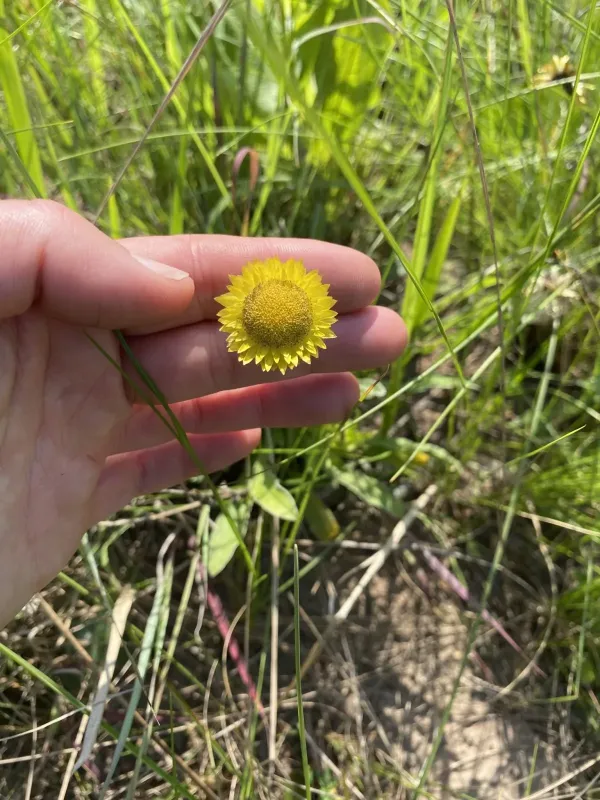
As a member of the Asteraceae family, this species grows initially as a basal rosette before transitioning into its reproductive stage, which produces the characteristic golden flower heads.
Growing requirements
Golden everlasting thrives in locations with full sun exposure throughout the entire day. Adequate solar radiation is non-negotiable, as even partial shade can lead to leggy stems and a significant reduction in the synthesis of essential oils.
The crop requires light, well-draining soils such as sandy loams, as waterlogging is the primary cause of root system failure. Ideal soil pH ranges from 6.0 to 7.5, providing the necessary chemical environment for nutrient uptake.
Climatic conditions should favor a temperate, moderate environment with a reliable dry period during the harvest season. While the plant is drought-tolerant once established, it requires consistent moisture during the early vegetative growth phase.
Fertilization should be managed carefully, prioritizing phosphorus and potassium to strengthen structural tissues and improve winter hardiness. Excess nitrogen should be avoided to prevent over-abundant foliage at the expense of floral output.
Weed management involves regular inter-row cultivation, which serves the dual purpose of eliminating competition and improving soil aeration for root health.
Yield
Yield potential of Golden everlasting is largely determined by plant density and the efficacy of agronomic practices during the budding phase. The crop generally reaches peak productivity between the second and third years of establishment.
Average dry flower yields typically range from 800 to 1,200 kilograms per hectare under optimal cultivation conditions. Variations in regional climate and specific soil quality can influence these outcomes year to year.
To maximize yields, it is necessary to encourage vigorous regrowth after the first harvest. Pruning the spent stems at the end of the season ensures the plant channels energy into root reserves for the following cycle.
Consistent irrigation during the early budding stages is vital for maintaining high flower counts, which are the primary economic component of the harvest.
Proper harvesting techniques, such as selective picking at the right maturity stage, ensure that the final yield meets industrial quality standards for color and size.
Main diseases and pests
Root rot caused by persistent soil saturation is the most significant disease threat to this species. Pathogenic fungi, particularly those within the Fusarium genus, can devastate plant stands by attacking the vascular system.
High relative humidity and poor air circulation frequently trigger powdery mildew outbreaks. This fungal growth manifests as a white, powdery layer on leaves, which impairs photosynthesis and reduces harvest quality.
Pests such as aphids pose a moderate risk, particularly during the rapid growth of new shoots. Early detection and the application of biological controls are effective methods for managing these populations without damaging the ecosystem.
Wireworms can occasionally damage root systems in newly established fields, making soil preparation and scouting critical steps before planting.
Implementing a strict crop rotation strategy is mandatory to prevent the build-up of host-specific pathogens within the soil profile.
Harvesting
The harvest period occurs when flower heads are in the early stages of opening, as this is when their color and chemical profile are at their most potent. Waiting too long leads to over-maturation, which results in heads falling apart.
Harvesting is typically performed by hand or with specialized machinery designed to clip the flower stalks at the desired length. Working in dry conditions is essential to prevent moisture-related quality degradation during storage.
Immediate post-harvest drying is required, with flowers spread in thin layers or processed in climate-controlled driers at temperatures not exceeding 45 degrees Celsius.
Proper drying prevents the development of mold and maintains the vibrant golden color that defines the commercial value of the crop. Once dried to the correct moisture content, the product should be packed in breathable containers.
Long-term storage requires a cool, dark, and dry environment to preserve the volatile compounds that give the plant its characteristic fragrance and market utility.