
Helichrysum sanguineum
Helichrysum sanguineum
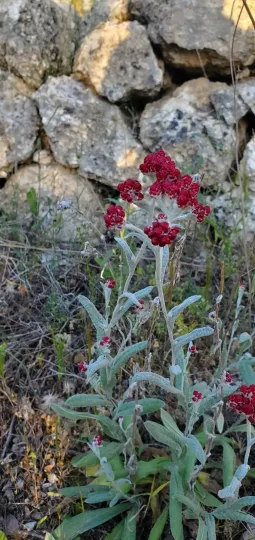
Description
Sowing dates
Sowing Helichrysum sanguineum should be initiated in early spring using a greenhouse or indoor seed trays to ensure optimal germination. As a member of the Asteraceae family, it requires controlled conditions during the initial developmental stage.
Transplanting into the open field is recommended once the danger of frost has passed and the soil has sufficiently warmed up. Proper spacing of 25 to 30 centimeters between plants is essential to promote healthy growth and prevent overcrowding.
Selecting the right location is critical for this species; it requires full sun exposure throughout the day. Inadequate lighting results in spindly stems and significantly reduces the quality of the harvested flowers.
The substrate for sowing should be light, sandy, and well-draining. Seeds require exposure to light to germinate, so they should be only lightly pressed into the soil surface rather than buried deep.
In regions with mild winters, autumn sowing can be performed, provided the soil remains stable and does not promote premature germination during the warmer spells in late winter.
Growing requirements
Helichrysum sanguineum is a true xerophyte, thriving in dry conditions. It has a low tolerance for high soil moisture, making well-drained, porous soils essential for its long-term survival and productivity.
The plant prefers sandy, stony, or gravelly soils with a neutral pH. Excessive nitrogen fertilization should be strictly avoided as it leads to luxurious foliage growth at the expense of flower production.
Drought resistance is one of the key characteristics of this crop, allowing it to flourish in semi-arid environments where other flowers might fail. It remains productive even under intense solar radiation.
Good air circulation is vital to prevent fungal issues. Planting areas should be open to natural breezes, which helps keep the plant foliage dry and prevents the accumulation of humidity.
While adapted to warm climates, the plant exhibits moderate frost tolerance. In areas with harsh winters, protection or moving the crop into containers is necessary to ensure the survival of the rootstock.
Main diseases and pests
Root rot is the primary threat to Helichrysum sanguineum cultivation, typically caused by poor drainage or overwatering. Preventive measures include maintaining strict irrigation schedules and ensuring excellent soil aeration.
Aphids represent the most common pest, infesting young shoots and buds during the active growing season. If left untreated, they can significantly stunt the plant's growth and reduce overall crop yields.
Powdery mildew is a frequent disease under high humidity conditions. It creates a white fungal layer on the leaves and bracts, which ruins the aesthetic value required for the commercial flower market.
Integrated pest management is recommended, focusing on early detection and the use of eco-friendly biological control agents. Chemical fungicides should be applied only as a last resort to avoid harming beneficial insects.
Crop rotation is essential for maintaining soil health. Avoiding the same plot for this species for at least three to four years helps minimize the risk of soil-borne pathogens accumulating.
Harvesting
Harvesting is performed during the stage of partial opening, when the central disk florets are still tight. This timing is crucial for maintaining the structural integrity and vibrant color of the dried flower.
Stems should be cut early in the morning after the dew has evaporated. Using sharp, sanitized tools ensures a clean cut, which helps the plant recover quickly and prevents infection of the vascular tissues.
After harvest, the stems are bundled and hung upside down in a dark, airy location. Drying away from direct sunlight is essential to prevent the blood-red pigment from fading over time.
Drying typically takes about one to two weeks. Once fully dehydrated, the stems become rigid and brittle, indicating that the crop is ready for storage or immediate incorporation into floral designs.
Helichrysum sanguineum is highly sought after in the professional floristry industry. It is used in the production of high-quality everlasting bouquets and decorative wreaths that remain attractive for years.