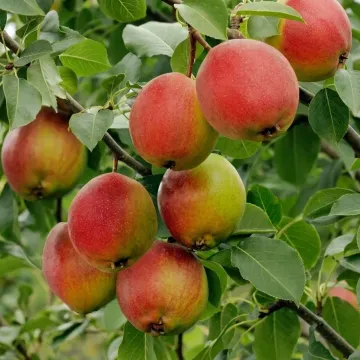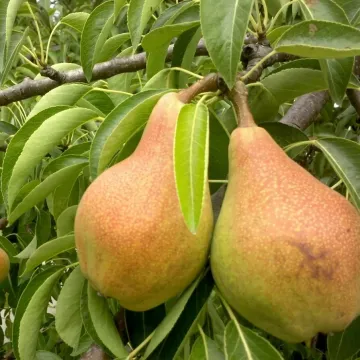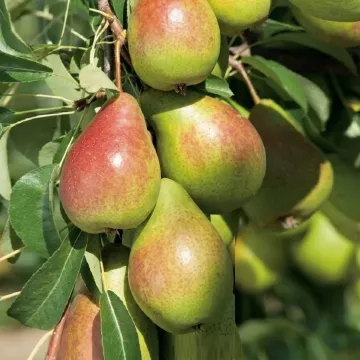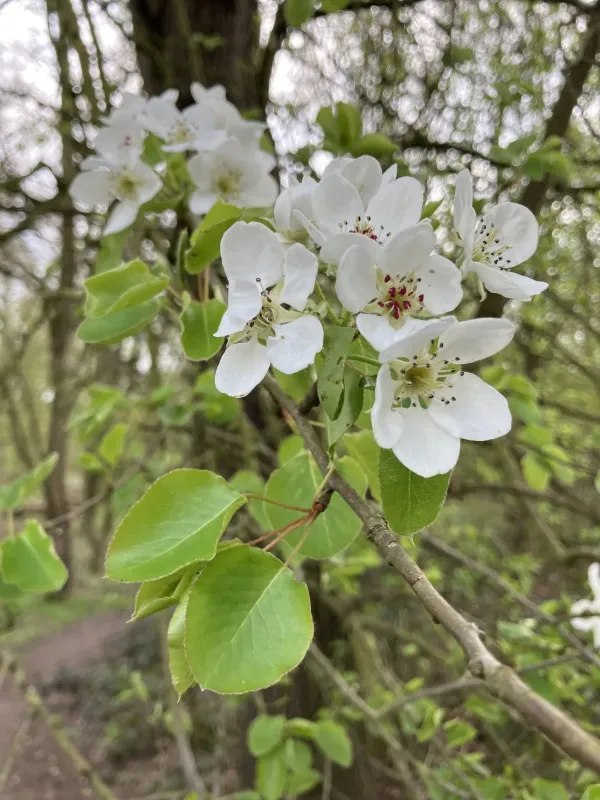
Description
Sowing dates
The planting of Pyrus communis L. (common pear) is ideally conducted in autumn or early spring. Autumn planting should be completed 2-3 weeks before the first hard frost to ensure root establishment before winter.
Spring planting is recommended for regions with severe winters, carried out before bud burst. Ensuring consistent irrigation immediately after planting is crucial for successful establishment of the nursery stock.
Standard orchard establishment utilizes one or two-year-old saplings with a healthy root system. Spacing depends on the rootstock and tree vigor, typically ranging from 4 to 6 meters between rows and trees.
Planting holes should be amended with compost or well-rotted organic matter, balanced with phosphorus and potassium fertilizers. The root collar must be positioned 3-5 cm above the soil surface to prevent rot.
Weed management in the tree zone during the first few years is vital. Mulching helps retain soil moisture and creates a more stable environment for the young pear trees to grow vigorously.
Growing requirements
Common pear is a light-demanding crop requiring full sun exposure for optimal sugar accumulation and flower bud development. Shade exposure significantly reduces fruit quality and overall yield.
The crop prefers deep, fertile loamy soils or chernozems with excellent drainage. Pear trees are sensitive to waterlogging; the water table must remain at least 2 to 2.5 meters below the soil surface.
Optimal soil pH for Pyrus communis ranges between 6.0 and 7.0. Soils with high salt concentrations or poor structure often lead to stunted growth and increased susceptibility to root pathogens.
Consistent moisture is required, particularly during the flowering and fruit development stages. While pears are more drought-tolerant than some other fruit species, irrigation is essential for commercial yields.
Regular structural pruning is necessary to maintain a balanced canopy, ensuring light penetration and airflow. Fertilization programs should follow soil test recommendations, focusing on nitrogen in spring and potassium in autumn.
Yield
Pear yield is highly dependent on the rootstock, cultivar, and management practices. Dwarf rootstocks allow for earlier production, often starting within 3-4 years, while standard trees take 6-8 years.
A mature, well-managed tree can produce between 50 and 150 kg of fruit per season. Thinning excess fruit is often necessary to prevent biennial bearing and ensure that individual fruits reach their optimal size.
Cross-pollination is mandatory for most pear varieties, necessitating the planting of compatible pollinator cultivars in the same orchard block. This ensures high fruit set and uniform crop distribution.
Effective pest and disease control, along with optimal nutrition, is key to maintaining stable yields. High-yielding orchards can remain productive for several decades with proper canopy management.
Harvesting techniques impact the final yield potential, as the marketability of the crop depends on the timing of picking. Proper handling throughout the harvest process is critical to minimize post-harvest losses.
Main diseases and pests
Pears are susceptible to various fungal diseases, including monilia (fruit rot), anthracnose, and alternaria, which can cause severe crop loss. Managing these requires a robust prophylactic spray schedule.
Other significant threats include grey rot, penicillium rot, and root damage from the root-knot nematode. These pathogens often thrive in poorly drained soils or during humid weather conditions.
Key insect pests include the pear psylla, San Jose scale, sawflies, and various types of moths. These pests can damage leaves, fruits, and overall tree structure, necessitating integrated pest management (IPM) strategies.
Sanitation practices, such as removing mummified fruits and pruning infected branches, significantly reduce the inoculum pressure within the orchard. Regular monitoring with pheromone traps helps in timely intervention.
A comprehensive approach combining biological and chemical control is required to mitigate risks. Keeping the orchard free of debris and maintaining tree health are the first lines of defense against common pests.
Harvesting
Harvesting should be done in stages based on the maturity of different cultivars. Picking at the correct physiological stage ensures that fruit maintains its quality during storage and transport.
Fruits should be harvested by hand using proper techniques to avoid bruising or skin damage. Damaged fruit is prone to rapid decay and should be separated from the primary crop during collection.
Summer varieties are picked slightly before full maturity to extend shelf life. Winter varieties are typically harvested in a firm, green state and require specific temperature-controlled conditions to ripen properly.
Immediate cooling after harvest is essential to reduce the fruit's respiration rate and maintain freshness. Storage in controlled atmosphere facilities at 0°C to +2°C is standard practice for commercial operations.
Sorting and grading based on quality and size are final steps before market distribution. Clean, undamaged, and correctly stored pears ensure the highest profitability and consumer satisfaction.
In brief
49
Crop diseases
36
Crop pests
Content graph
Crop diseases · 49
Alternaria leaf spotAmerican dagger nematodeAnthracnoseApple anthracnoseArmillaria root rotArmillaria tabescensBitter rot of grapesBlue moldBoron deficiencyBotryosphaeria cankerCercospora leaf spotCitrus Black SpotCladosporiosisCommon scabCork spot of pearCrown gallEuropean fruit tree cankerFabraea leaf spotFire blightFlyspeck diseaseFusarium wiltGibberella cancerGray moldHelminthosporium leaf spotHoney fungusLate blightMonilia blightMycosphaerella leaf spotNeofabraea rotPear declinePear red mottlePear ring pattern mosaicPear rustPear rustPear rustPear scabPear scabPhialophora rotPhyllosticta leaf spotPink rotPowdery mildewPustular bark necrosis of pearPythium root rotRoot-knot nematodeSeptoriaSilver leafSooty moldThread BlightValsa canker
Content graph
Crop pests · 36
Alfalfa seed chalcidAphidAustrian beetleBean aphidBeet webwormBeet weevilCereal leaf beetleChloropid fliesCodling mothComstock mealybugCotton bollwormDiamondback mothEuropean apple sawflyEuropean corn borerEuropean grapevine mothGall midgesGrape phylloxeraGrey beet weevilHemp flea beetleLarge whiteLeafhoppersLeaf miner mothLeaf minersOriental fruit mothPea aphidPea mothPear fruit mothPear psyllaPollen beetlePotato tuber mothPyralid mothsSan Jose scaleSawfliesSoft scalesSunn pestTwo-spotted spider mite
Content graph
Connections · Pear
Most often together:
Marketplace
Products · 431
All 431
Pear 189
Insecticides, Acaricides 110
Fungicides 86
Plant Growth Regulators 15
Fertilizers 14
Herbicides, Desiccants 11
Biological Products 5
Adjuvants/Surfactants 1






Komandor
Ф.Меатон Лімітед, Лондон, Великобританія.
Insecticides
0
0
·
2.7K
2 offers
1 052.67 €per 1 l
Buy


Agil 100
F.A.GAN Chemical Manufacturers Ltd. Israel, member
Herbicides
0
0
·
2.3K
8 offers
4.99 €per 1 l
Buy




Puska
Три Дельта Компані Інтернешнл, Гонконг, Китай.
Insecticides
1
0
·
1.9K
1 offer
7.7 €per 1 l
Buy


Demitan 200
Govan Commercial International & Service
Insecticides
1
0
·
1.8K
1 offer
116.14 €per 1 l
Buy