
Description
Symptoms
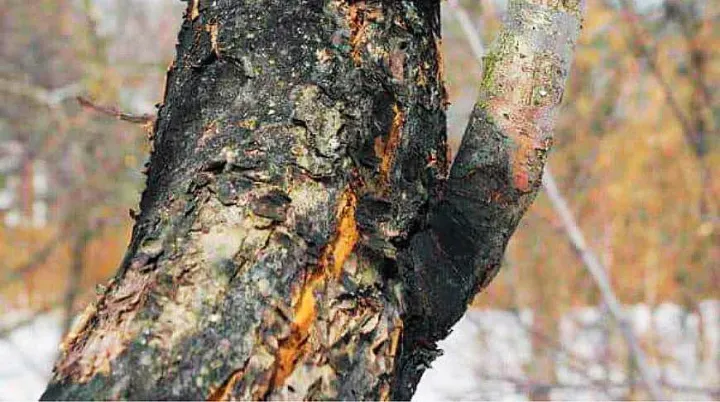
The disease first manifests as small, localized swellings or bulges on the bark of trunks and scaffold branches. These initial symptoms indicate the early stages of fungal colonization.
As the infection progresses, these swellings develop into dark, pustule-like structures that eventually rupture the surface of the bark. These pustules are the main visual evidence of the disease.
The affected bark takes on a rough, cracked appearance, often described as having a «goose skin» texture. In severe cases, the bark becomes brittle and may flake off, exposing the underlying woody tissues.
A black, powdery mass often coats the damaged bark areas; this is a result of mass spore production by the fungus. This layer is particularly noticeable during humid weather conditions.
Infected branches may eventually die back, leading to leaf yellowing and premature defoliation. If the main trunk is girdled by the infection, the entire tree may succumb to the pathogen.
Pathogen
Pustular bark necrosis is caused by the fungus Coniothecium chromatosporum. This pathogen is a significant threat to the health of the bark and cambium layers of fruit trees, particularly pears.
The fungus survives as mycelium and spores within the necrotic tissues of the bark during the dormant season, allowing it to remain present in the orchard for many years if not addressed.
Infection primarily occurs through wounds in the bark, such as frost cracks, sunscald injuries, or damage caused by pests. Once inside, the pathogen invades the vascular tissues, causing disruption to the tree's vital transport systems.
The life cycle of the pathogen is closely tied to the physiological state of the host. Active sporulation occurs when the fungus forms characteristic pustules, which then release spores to spread the infection further.
Although it primarily targets pear trees, the pathogen can also affect other pome and stone fruits, especially under conditions where the tree's natural defense mechanisms are compromised.
Conditions for development
Environmental stress is a primary factor in the development of pustular bark necrosis. Sharp temperature fluctuations, particularly late spring frosts, weaken the bark and create entry points for the fungus.
High humidity and prolonged periods of rainfall facilitate the germination of fungal spores on the bark surface. Moist conditions are essential for the effective spread of the pathogen throughout the orchard.
Trees suffering from nutrient deficiencies or water stress have weakened immune responses, making them much more susceptible to infection compared to healthy, well-maintained trees.
Lack of proper pruning and canopy management contributes to poor air circulation. This humidity trap within the canopy creates an environment that promotes the growth of various bark pathogens.
Failure to properly seal wounds or treat sunscald areas allows the fungus easy access to the host's inner tissues, which can lead to a rapid increase in the infection rate across the orchard.
Why it matters
The disease causes significant damage by killing off productive branches, which directly results in reduced fruit yield and lower overall productivity of the orchard.
Pustular necrosis substantially decreases the cold hardiness of pear trees. Affected areas are prone to further freeze-thaw damage, exacerbating the disease spread during winter months.
By interfering with the vascular system of the tree, the pathogen prevents the efficient transport of water and nutrients. Consequently, the fruits produced are often stunted, deformed, and have poor flavor profiles.
Prolonged infection leads to the premature senescence of the tree. Many orchards with untreated bark necrosis face the necessity of tree removal years earlier than would be expected under normal conditions.
The economic impact of the disease is amplified by the cost of intensive management, including sanitation pruning, chemical treatments, and the eventual replacement of severely damaged specimens.
Protection
The cornerstone of management is sanitation. Infected branches must be pruned back to healthy wood, and the debris should be removed and destroyed to minimize the local inoculum source.
All pruning cuts and bark wounds should be treated with copper-based disinfectants and sealed with professional-grade wound dressings to prevent new fungal entry.
Regular application of copper fungicides during the dormant season (before bud break) and in the late autumn is essential to suppress the survival and spread of fungal spores.
Painting the trunks and main branches with white lime-based coatings provides essential protection against sunscald and extreme temperature changes, thus preventing the primary sites of infection.
Maintaining tree vigor through appropriate fertilization and water management practices increases the tree's natural resilience against pathogens, making it a vital part of an integrated control program.
Pathogens and affected parts
Affects crops · 1
Discussion
No discussions yet — be the first.