
Hybrids of common and Ussurian pear
Hybrids between Pyrus communis and P. ussuriensis
Description
Growing requirements
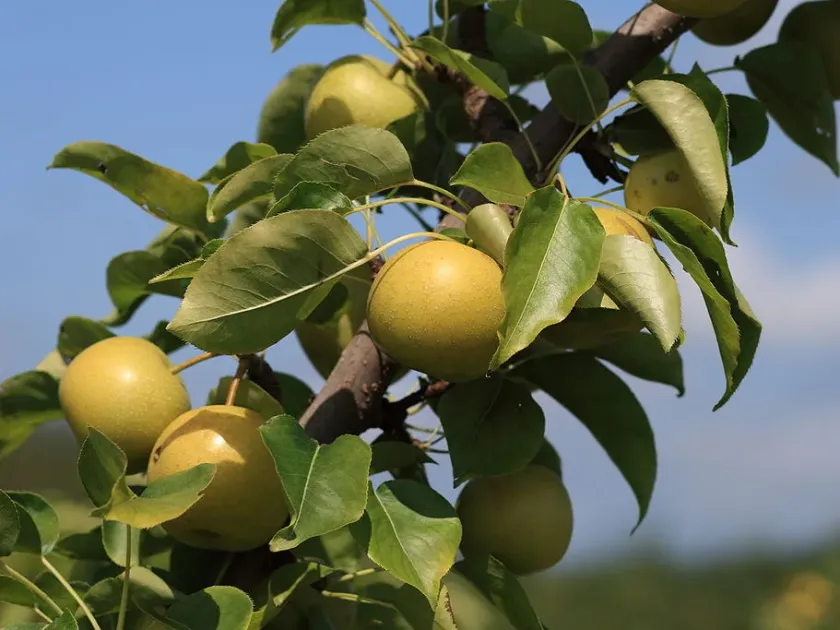
Hybrids between the common pear (Pyrus communis) and the Ussurian pear (Pyrus ussuriensis) are remarkable cultivars belonging to the Rosaceae family. They are developed specifically to combine the culinary excellence of European pears with the extreme cold resistance of their Asian counterparts.
These hybrids are highly valued in regions characterized by severe winters and short growing seasons. The geographical range of these hybrids includes Northern and Central Asia, as well as northern parts of North America and Europe.
Cultivation requires well-drained, nutrient-rich loamy soil. These trees are sensitive to waterlogging, so planting on slightly elevated sites or slopes with good aeration is recommended to ensure root health and prevent collar rot.
Proper pruning is essential for these hybrids to maintain a healthy structure, improve sunlight penetration into the canopy, and facilitate easier harvest. Regular maintenance involves thinning branches that cross or grow towards the center of the tree.
Watering should be managed based on local climate conditions, ensuring the trees receive adequate moisture during the initial growth years. During autumn, moisture levels should be controlled to prevent excessive late-season growth, which might reduce the tree's winter hardiness.
Yield
The hybrids typically start producing fruit between the 4th and 7th year of growth. They are recognized for their reliable annual yields compared to pure common pear species in northern latitudes.
The fruit characteristics bridge the gap between both parent species, offering a unique flavor profile and crisp texture. Most varieties show good keeping quality if harvested at the correct stage of maturity.
Main diseases and pests
Disease management focuses primarily on common pear scab and fire blight. Monitoring and early intervention with biological or chemical treatments are critical during humid spring conditions to protect foliage and young fruits.
Common pests include the pear slug, various aphids, and the codling moth. An integrated pest management approach, including the use of pheromone traps, helps keep these populations below the economic injury level.
Harvesting
Harvesting is typically scheduled for late summer or autumn depending on the cultivar. Fruits should be picked while still firm to prevent bruising, as they will finish ripening during post-harvest storage.